

Classic White Cake: 7 Secrets for an Ultra-Moist, Fluffy Dessert

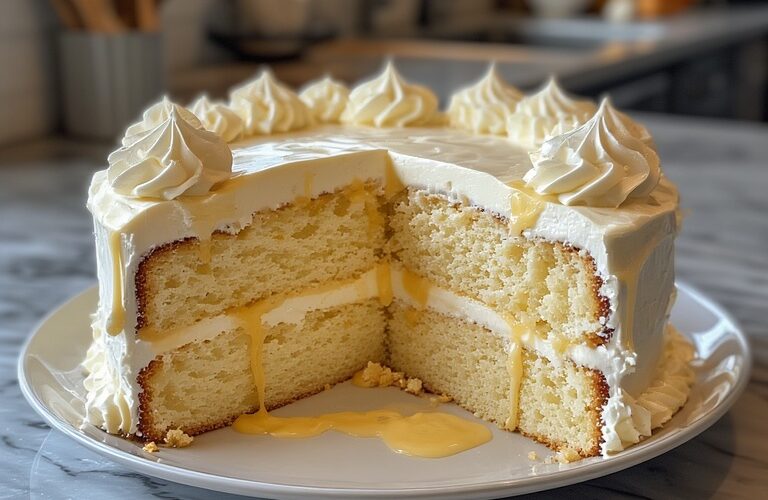
Indulge in the timeless delight of a classic white cake, renowned for its soft, fluffy, and moist texture. This beloved dessert is a staple at celebrations and gatherings, offering a delicate flavor and tender crumb
that is sure to please.
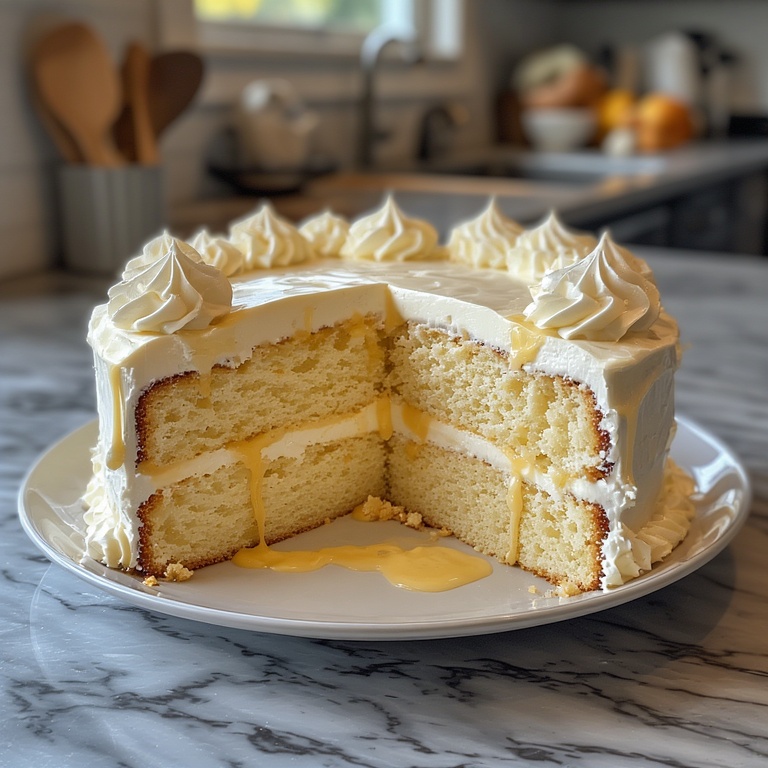
White Cake Recipe
The white cake recipe we’re sharing is designed to be straightforward and easy to follow, ensuring that
even novice bakers can achieve professional-like results. With a few simple ingredients and some expert tips, you’ll be on your way to creating a truly
unforgettable dessert.
Key Takeaways
- Simple and easy-to-follow instructions for a perfect classic white cake
- Tips for achieving a soft, fluffy, and moist texture
- Expert advice for novice bakers
- A delicious dessert ideal for any celebration or gathering
- A timeless recipe that’s sure to become a family favorite
The Perfect White Cake: What Makes It Special
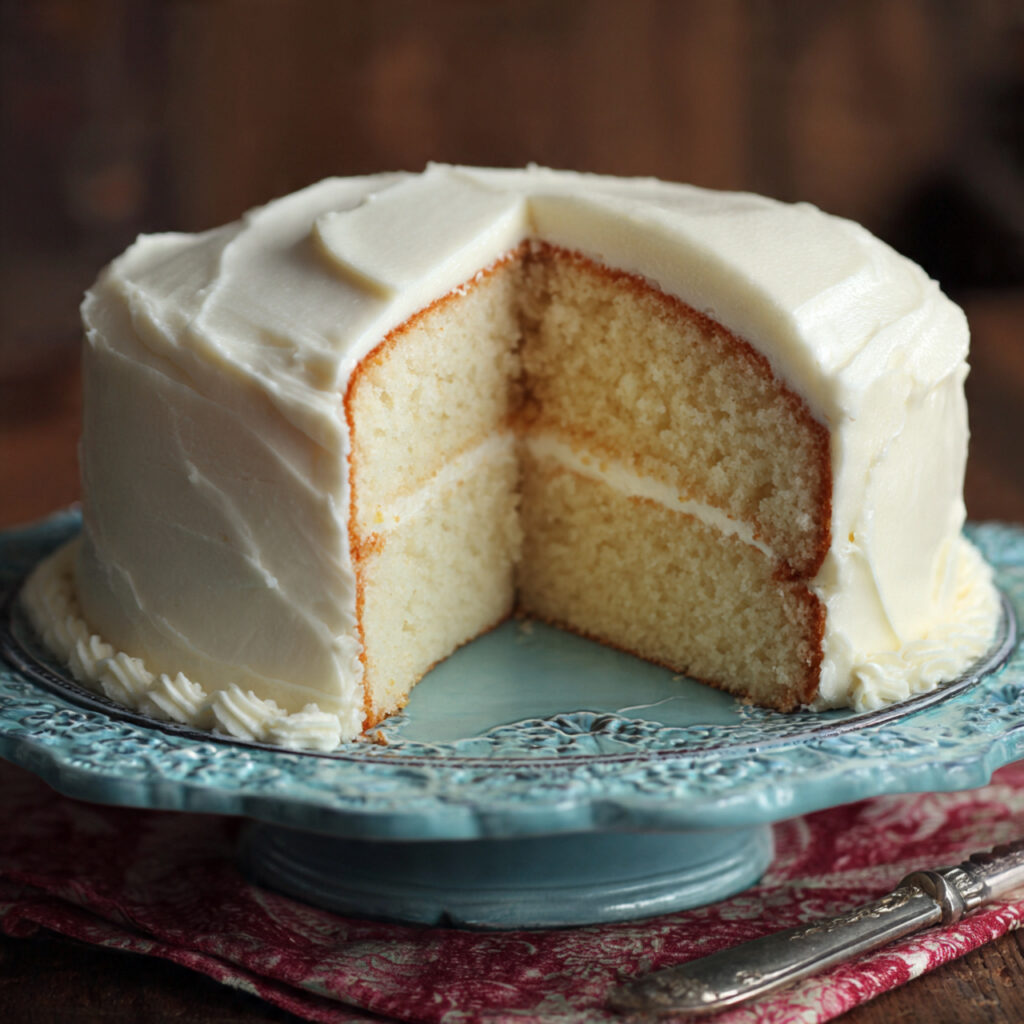
There’s something special about a well-made white cake that makes it a staple at celebrations. A perfect white cake is characterized by its tender crumb, delicate flavor, and moist texture. These characteristics make it a favorite for weddings,
anniversaries, and other significant events.
Characteristics of an Ideal White Cake
An ideal white cake should have a fine, even texture and a subtle sweetness that doesn’t overpower the
other flavors. The cake should be moist but not soggy, with a delicate crumb that’s both tender and
firm enough to hold its shape when frosted or layered.
Why This Recipe Stands Out
This white cake recipe stands out due to its precise balance of ingredients and techniques that ensure a
light, fluffy texture and a delicate flavor. The use of high-quality ingredients and a careful mixing process makes all the difference. As one renowned baker once
said, “The secret to a great white cake is in the details – from the type of flour used to the temperature of the ingredients.”
“The secret to a great white cake is in the details – from the type of flour used to the temperature of the ingredients.”
Popular Occasions for White Cake
White cake is a popular choice for various celebrations, including weddings, baby showers, and
anniversaries. Its classic appeal and versatility make it suitable for a wide range of events. Whether you’re looking for a simple dessert or an elegant centerpiece for your celebration, a well-made white cake is always a great choice.
Essential Ingredients for a Successful White Cake
The foundation of a perfect white cake lies in its ingredients, each playing a crucial role in its texture,
flavor, and overall appearance. To create a cake that is both visually appealing and delicious, it’s crucial to understand the function of each component.
The Role of Cake Flour
Cake flour is a critical ingredient in white cake recipes, known for its low protein content compared to all-purpose flour. This characteristic helps in producing a tender and fine crumb, making it ideal for delicate
cakes. Using cake flour instead of all-purpose flour can significantly improve the texture of your white cake.
Choosing the Right Sugar
Sugar not only adds sweetness but also contributes to the structure and browning of the cake.
Granulated sugar is the most commonly used type in white cake recipes due to its fine texture, which
dissolves easily during mixing. It’s essential to use high-quality sugar to avoid any off-flavors.
Egg Whites vs. Whole Eggs
Using egg whites instead of whole eggs helps achieve the cake’s white color and contributes to its
lightness. Egg whites provide moisture and protein, which are essential for the cake’s structure. Avoid
using whole eggs, as the yolks can impart a yellow color and heavier texture.
Importance of Quality Vanilla Extract
Vanilla extract is a key flavor component in white cakes, adding a subtle yet distinct taste. High-quality vanilla extract makes a noticeable difference in the overall flavor profile. It’s worth investing in a
good brand to enhance your cake’s taste.
Butter vs. Oil: Which Is Better?
The debate between using butter or oil in cake recipes is ongoing. Butter adds a rich flavor, while oil can
result in a moister cake. Using a combination of both can offer the best of both worlds. The choice
ultimately depends on personal preference and the desired texture.
By understanding the role of each ingredient, you can make informed decisions to adjust the recipe
according to your preferences and needs. Whether you’re a novice baker or an experienced one, knowing your ingredients is key to baking success.
Equipment You’ll Need for Baking Success
Baking a white cake requires more than just the right ingredients; it demands the appropriate equipment to ensure success.
Cake Pans and Proper Preparation
First and foremost, you’ll need cake pans that are in good condition. For a classic white cake, two 8- or 9-inch round cake pans are ideal. Ensure they’re properly prepared by greasing them with butter and
dusting with flour or using a nonstick cooking spray. This step is crucial for easy cake release after baking.
Essential Mixing Tools
A stand mixer or a hand mixer is necessary for creaming butter and sugar, beating egg whites, and
mixing batter. A rubber spatula is handy for scraping down the sides of the bowl, ensuring all ingredients are well incorporated.
Oven Thermometer and Why It Matters
An oven thermometer ensures your oven is at the correct temperature, which is vital for even baking. An
incorrect temperature can lead to a cake that’s overcooked or undercooked.
Classic White Cake Recipe: Step-by-Step Instructions
With this classic white cake recipe, you’ll be guided through every step, from preparing your ingredients
to baking the perfect cake. The key to a successful white cake lies in the precision of your measurements and the technique used in mixing the ingredients.
Preparing Your Ingredients
Before you start mixing, ensure that all your ingredients are at room temperature. This includes the eggs, butter, and milk. Room temperature ingredients mix more evenly and result in a cake with a uniform texture. Take the time to measure out your ingredients accurately using a digital scale for the best results.
Mixing the Dry Ingredients
In a medium bowl, whisk together the cake flour, granulated sugar, baking powder, and salt. It’s crucial to use cake flour for a tender crumb. Sifting the dry ingredients can help remove any lumps and ensure
they’re well incorporated.
Creaming Butter and Sugar Properly
In a large mixing bowl, cream the butter and sugar until light and fluffy. This process incorporates air into the batter, which is essential for the cake’s structure. Avoid overmixing at this stage to prevent a dense cake.
Adding and Whipping Egg Whites
In a separate bowl, whip the egg whites until they form stiff peaks. Gently fold the egg whites into the
batter to maintain the air incorporated during whipping. This step is crucial for achieving a light and fluffy
texture.
Incorporating Wet and Dry Ingredients
Alternate adding the dry ingredients and wet ingredients (such as milk or buttermilk) to the batter,
beginning and ending with the dry ingredients. Mix on low speed and avoid overmixing to preserve the delicate structure of the cake.
Baking Times and Temperature Guidelines
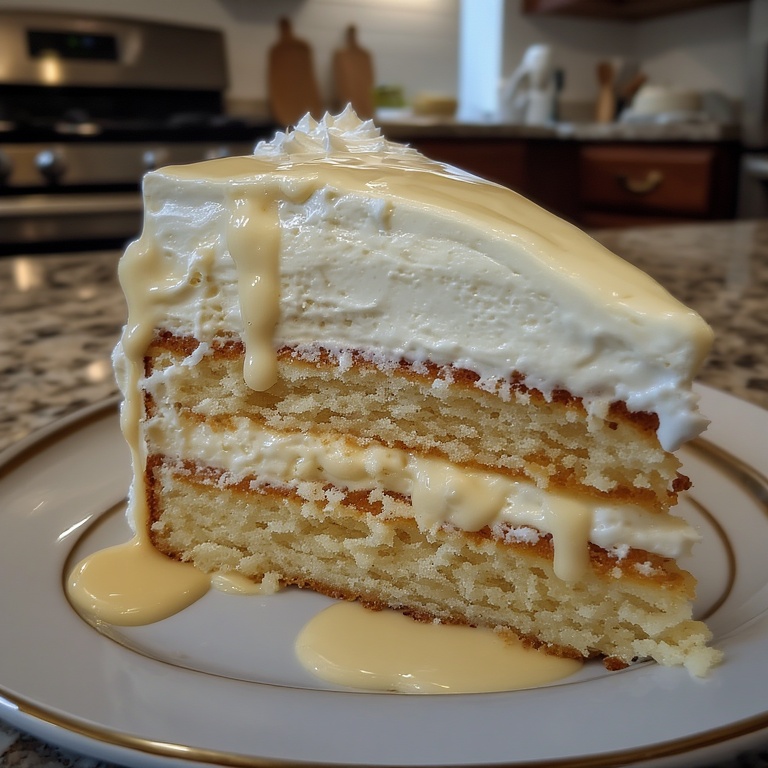
Preheat your oven to 350°F (175°C). Pour the batter into prepared pans and smooth the tops. Bake until a toothpick inserted into the center comes out clean. The baking time will depend on the size of your pans,
typically ranging from 20 to 35 minutes.
| Pan Size | Baking Time |
| 8-inch round | 25-30 minutes |
| 9-inch round | 20-25 minutes |
The Science Behind a Soft and Fluffy Texture
The science behind a soft and fluffy white cake is multifaceted, involving leavening agents, ingredient
temperatures, mixing methods, and the type of flour used. Understanding these elements is crucial for
achieving the perfect texture.
How Leavening Agents Work
Leavening agents, such as baking powder, play a critical role in giving white cake its light and airy texture. They release gases when they come into contact with liquid ingredients and heat, causing the batter to
rise. Using the right amount of leavening agents is crucial; too little, and the cake may be dense, while
too much can leave an unpleasant aftertaste.
The Importance of Room Temperature Ingredients
Using room temperature ingredients ensures that the butter and sugar cream properly, incorporating air that contributes to the cake’s fluffiness. It also helps in achieving a smooth batter, as cold ingredients can lead to a curdled mixture. This simple step can significantly impact the final texture.
Mixing Techniques for Maximum Fluffiness
The method of mixing can either enhance or detract from the cake’s texture. Gentle folding and
whipping techniques are essential for incorporating air without deflating the mixture. Overmixing can
result in a dense cake, so it’s vital to mix wet and dry ingredients separately before gently combining
them.
The Role of Cake Flour in Texture
Cake flour, with its lower protein content compared to all-purpose flour, is preferred for white cake because it produces a tender crumb. The lower protein content means less gluten development, resulting in a softer texture. The choice of flour is a critical factor in
achieving the desired softness and fluffiness.
| Factor | Impact on Texture |
| Leavening Agents | Release gases, causing the batter to rise and giving the cake a light texture. |
| Room Temperature Ingredients | Ensure proper creaming and a smooth batter, contributing to fluffiness. |
| Mixing Techniques | Gentle mixing incorporates air without deflating the mixture, enhancing texture. |
| Cake Flour | Lower protein content results in less gluten development, producing a tender crumb. |
Secrets to Keeping Your White Cake Moist
Achieving a moist white cake is a baker’s dream, and it can be made a reality with a few simple technique. The secret to maintaining moisture lies in a combination of proper baking, cooling, and ingredient
selection.
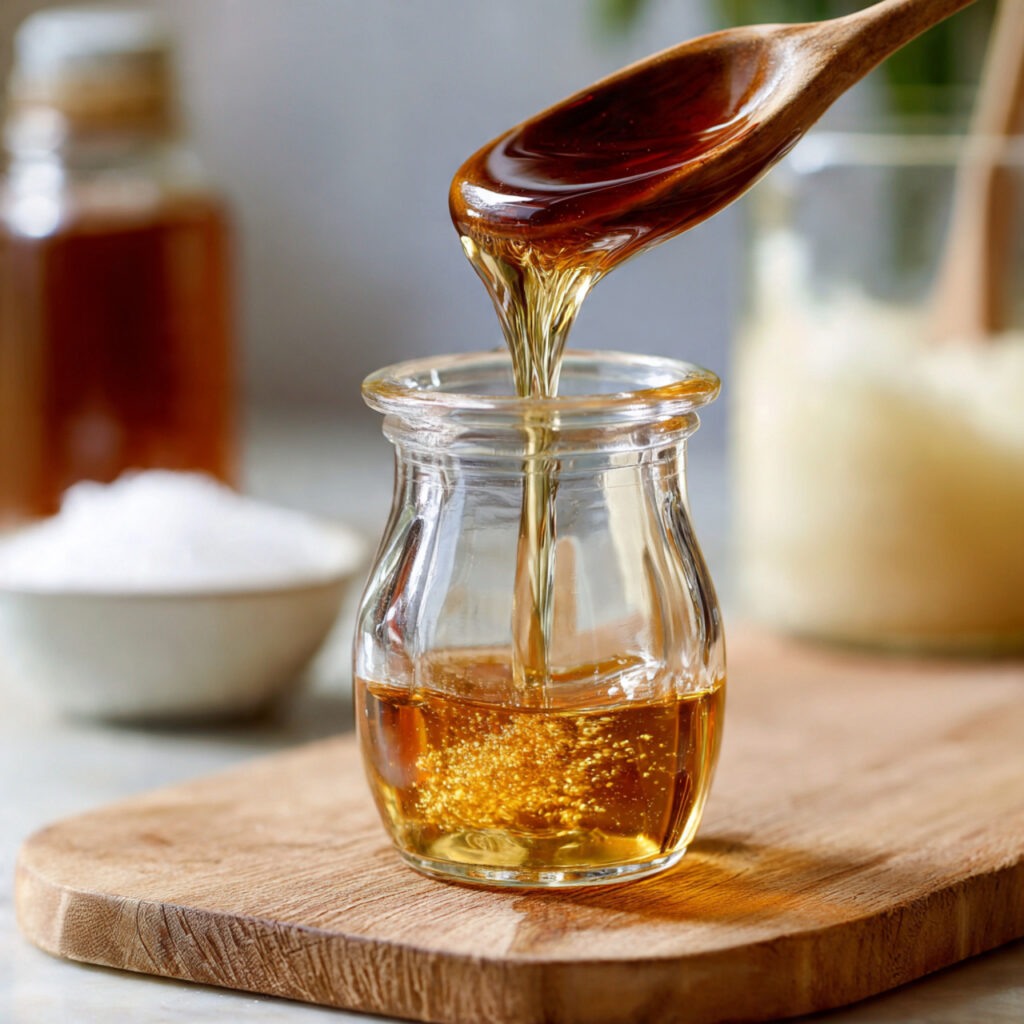
The Simple Syrup Trick
One effective method to keep your white cake moist is by using a simple syrup. This involves dissolving
equal parts of sugar and water over low heat, then brushing the syrup over the cake layers after baking.
Simple syrup not only adds moisture but also enhances flavor. You can infuse the syrup with vanilla or
other flavorings for extra depth.
simple syrup for moist white cake
Proper Cooling Techniques
Cooling your cake properly is crucial to maintaining its moisture. After baking, let the cakes cool in the
pans for about 10 minutes before transferring them to a wire rack to cool completely. This prevents the
cake from becoming soggy or drying out. Ensure the cakes are completely cool before frosting to prevent
the frosting from melting.
Avoiding Overbaking
Overbaking is a common mistake that leads to dry cakes. To avoid this, check your cakes frequently
towards the end of the baking time. A toothpick inserted into the center should come out clean or with a few moist crumbs. Remove the cakes from the oven as soon as they’re done, and avoid opening the
oven door too often, as this can cause temperature fluctuations.
Moisture-Enhancing Ingredients
Incorporating moisture-enhancing ingredients can significantly improve the texture of your white cake. Ingredients like sour
cream, Greek yogurt, or buttermilk add moisture and tenderness. Using room temperature ingredients also helps in achieving a uniform batter, which bakes more evenly and retains moisture better.
- Sour cream adds a tangy flavor and extra moisture.
- Greek yogurt contributes to a tender crumb.
- Buttermilk helps in creating a moist and fluffy texture.
By implementing these strategies, you can ensure your white cake remains moist and delicious. Whether
you’re baking for a special occasion or just for the joy of it, these tips will help you achieve the perfect
texture every time.
Troubleshooting Common White Cake Problems
Troubleshooting is an essential skill for bakers, especially when it comes to delicate desserts like white
cake. Even with a tried-and-tested recipe, issues can arise that affect the final product’s quality and appearance.
Why Cakes Sink in the Middle
A cake sinking in the middle can be disappointing. This issue often results from underbaking or
overmixing the batter. To prevent this, ensure your oven is at the correct temperature, and avoid opening the oven door too frequently during baking.
Fixing Dense or Tough Texture
A dense or tough texture usually indicates overmixing or using the wrong type of flour. To achieve a
tender crumb, use cake flour and mix wet and dry ingredients separately before gently folding them
together.
Dealing with Uneven Baking
Uneven baking can occur due to incorrect oven temperature or unevenly distributed batter. To mitigate
this, ensure your oven is properly calibrated, and rotate your cake pans halfway through the baking time.
Solutions for Dry Cake
A dry cake is often the result of overbaking or not enough moisture in the batter. To keep your cake
moist, avoid overbaking, and consider adding ingredients like sour cream or buttermilk to enhance moisture.By addressing these common issues, you can significantly improve the quality of your white cake. Remember, practice makes perfect, and troubleshooting is a valuable skill in baking.
Perfect Frosting Pairings for White Cake
White cake is a versatile canvas, and the perfect frosting pairing can make all the difference in its overall
taste and presentation. The right frosting can complement the cake’s delicate flavor, adding a new
dimension to your dessert.
Classic Vanilla Buttercream
A timeless choice, classic vanilla buttercream is a staple for a reason. It’s creamy, sweet, and pairs
beautifully with the subtle taste of white cake. To make it, you’ll need unsalted butter, powdered sugar,
vanilla extract, and a pinch of salt. Beat the butter until it’s light and fluffy, then gradually add the
powdered sugar, beating until smooth and creamy.
Swiss Meringue Buttercream
For a lighter, more elegant frosting, consider Swiss meringue buttercream. It’s made by whipping egg
whites and sugar over a double boiler, then beating in softened butter. This frosting is stable, smooth,
and has a beautiful sheen.
Cream Cheese Frosting
If you’re looking for a tangy contrast to the sweetness of white cake, cream cheese frosting is an
excellent choice. It combines softened cream cheese, butter, vanilla extract, and powdered sugar for a
rich, creamy frosting with a delightful zing.
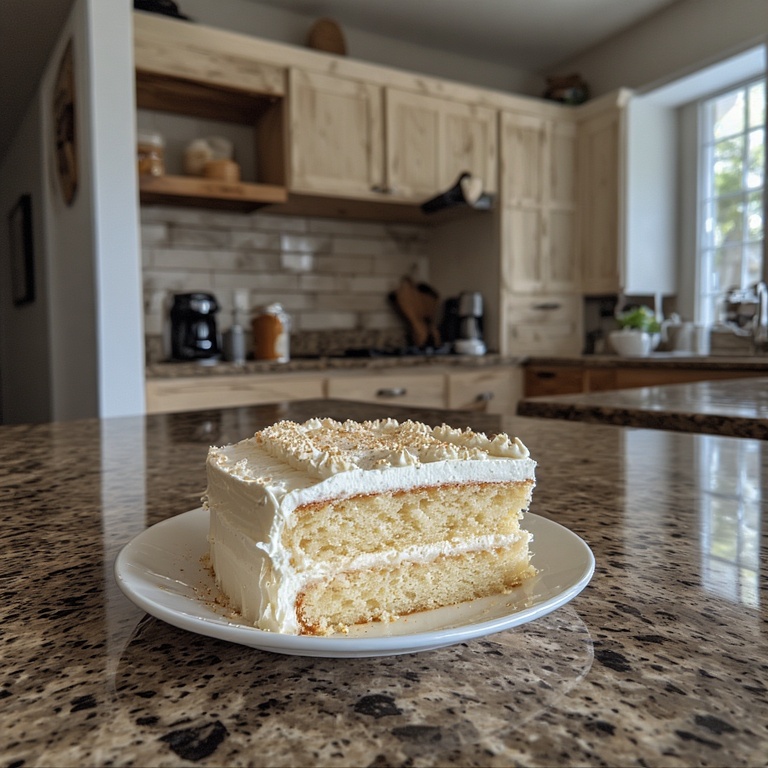
Whipped Cream Frosting
For a lighter option, whipped cream frosting is a great alternative. It’s made by whipping heavy cream,
powdered sugar, and vanilla extract until stiff peaks form. This frosting is perfect for those looking for a
less sweet, airy dessert.
Basic Frosting Techniques
Regardless of the frosting you choose, there are basic techniques to keep in mind. Always use room
temperature ingredients for a smoother frosting. Beat your frosting long enough to achieve the desired
consistency, and don’t be afraid to adjust the sweetness or flavor to your liking.
| Frosting Type | Key Ingredients | Characteristics |
| Classic Vanilla Buttercream | Unsalted butter, powdered sugar, vanilla extract | Creamy, sweet, stable |
| Swiss Meringue Buttercream | Egg whites, sugar, butter | Light, elegant, smooth |
| Cream Cheese Frosting | Cream cheese, butter, vanilla extract, powdered sugar | Tangy, rich, creamy |
| Whipped Cream Frosting | Heavy cream, powdered sugar, vanilla extract | Light, airy, less sweet |
Delicious Variations of the Classic White Cake Recipe
Elevate your baking game by exploring exciting variations of the traditional white cake. By incorporating different flavors and ingredients, you can create unique desserts perfect for any occasion.
Almond White Cake
Infusing your white cake with almond extract or using almond flour can add a delightful nutty flavor. This variation pairs well with raspberry or strawberry fillings, creating a sophisticated dessert.
Coconut White Cake
Adding shredded coconut or coconut milk to your white cake batter can transport your taste buds to a
tropical paradise. This version is ideal for summer weddings or luau-themed parties.
Lemon White Cake
Incorporating lemon zest and lemon juice into your white cake recipe can result in a refreshing and tangy dessert. Lemon white cake is perfect for spring celebrations or as a contrast to rich, heavy meals.
White Chocolate White Cake
Using white chocolate in your cake batter or as a frosting can add a luxurious and creamy element. This
variation is great for those who love white chocolate and vanilla combinations.
Gluten-Free Adaptation
For those with gluten intolerance, adapting the classic white cake recipe to be gluten-free is straightforward. By substituting cake flour with a gluten-free flour blend, you can enjoy this dessert without dietary restrictions.
| Variation | Key Ingredient | Ideal Occasion |
| Almond White Cake | Almond extract or almond flour | Elegant dinner parties |
| Coconut White Cake | Shredded coconut or coconut milk | Summer weddings or luaus |
| Lemon White Cake | Lemon zest and lemon juice | Spring celebrations |
| White Chocolate White Cake | White chocolate | Romantic dinners or anniversaries |
| Gluten-Free White Cake | Gluten-free flour blend | Dinners with gluten-free guests |
Conclusion: Enjoying Your Homemade White Cake
Now that you’ve mastered the classic white cake recipe, it’s time to indulge in the fruits of your labor.
Savor the soft, fluffy texture and the delicate flavor of your homemade white cake. Whether you’re
celebrating a special occasion or simply treating yourself, this cake is sure to impress.
As you enjoy your homemade white cake, remember the tips and techniques shared throughout this
article. From the importance of using quality ingredients to the secrets of keeping your cake moist, every detail matters. Share your creations with loved ones and enjoy the joy it brings to those around you.
With this classic white cake recipe, you’ll be well on your way to becoming a skilled baker, capable of
creating delicious treats that bring people together. So go ahead, take a bite, and relish the delight of
enjoying homemade white cake.
FAQ
What makes a white cake truly white?
Using egg whites instead of whole eggs helps maintain the cake’s white color, as the yolks can give the
cake a yellowish hue.
Can I use all-purpose flour instead of cake flour?
While all-purpose flour can be used, cake flour is preferred for its lower protein content, which results in a tender and delicate crumb.
How do I ensure my white cake is moist?
To keep your white cake moist, avoid overbaking, use simple syrup to add moisture, and incorporate
moisture-enhancing ingredients like sour cream or buttermilk.
What’s the best way to store a white cake?
Store your white cake in an airtight container at room temperature for up to 3 days or freeze it for longer storage.
Can I make a white cake without a stand mixer?
Yes, you can make a white cake without a stand mixer by using a hand mixer or whisking the ingredients
vigorously by hand.
How do I achieve a fluffy texture in my white cake?
To achieve a fluffy texture, ensure your ingredients are at room temperature, use the right mixing
techniques, and don’t overmix the batter.
Can I add flavorings or extracts to my white cake?
Yes, you can add flavorings or extracts like vanilla, almond, or lemon to give your white cake a unique
taste.
What’s the best frosting to pair with white cake?
Popular frosting options for white cake include classic vanilla buttercream, Swiss meringue buttercream, cream cheese frosting, and whipped cream frosting.
Can I make a gluten-free white cake?
Yes, you can make a gluten-free white cake by substituting cake flour with a gluten-free flour blend and adjusting the recipe accordingly.
How do I prevent my white cake from sinking in the middle?
To prevent sinking, ensure your oven is at the correct temperature, don’t open the oven door during
baking, and use the right leavening agents.
More Recipes You’ll Love
If you loved this recipe, don’t miss this easy Mississippi Chicken Slow Cooker Recipe — a rich, comforting dinner that’s packed with flavor and requires very little prep.
Looking for something lighter? These fresh Mediterranean Salad Recipes are perfect as a refreshing side dish or a quick, healthy meal.
Another family favorite you’ll want to try is this creamy Chicken Bacon Ranch Casserole, a simple, crowd-pleasing dinner that everyone enjoys.
Print Classic White Cake: 7 Secrets for an Ultra-Moist, Fluffy Dessert
A timeless Classic White Cake with a soft, fluffy, and moist crumb. This easy, foolproof recipe delivers bakery-quality results using simple ingredients, making it perfect for birthdays, weddings, holidays, or any special occasion.
- Total Time: 45–50 minutes
- Yield: 12 slices
Ingredients
-
2 ½ cups cake flour
-
1 ¾ cups granulated sugar
-
1 tbsp baking powder
-
½ tsp salt
-
¾ cup unsalted butter, softened
-
1 cup whole milk, room temperature
-
5 large egg whites, room temperature
-
2 tsp vanilla extract
Instructions
-
Preheat oven to 350°F (175°C). Grease and flour two 8- or 9-inch round cake pans.
-
In a bowl, whisk together cake flour, sugar, baking powder, and salt.
-
In a large bowl, cream butter and sugar until light and fluffy.
-
Add vanilla extract and mix until combined.
-
Whip egg whites in a separate bowl until stiff peaks form.
-
Alternate adding dry ingredients and milk to the butter mixture, beginning and ending with dry ingredients. Mix on low speed.
-
Gently fold in the whipped egg whites.
-
Divide batter evenly between pans and smooth the tops.
-
Bake until a toothpick inserted in the center comes out clean.
-
Cool in pans for 10 minutes, then transfer to a wire rack to cool completely before frosting.
Notes
-
Use cake flour for the softest crumb.
-
All ingredients should be room temperature for best results.
-
Avoid overmixing to keep the cake light and fluffy.
-
Brush cake layers with simple syrup for extra moisture if desired.
- Prep Time: 20 minutes
- Cook Time: 25–30 minutes
- Category: Dessert
- Method: Baking
- Cuisine: American
- Diet: Vegetarian




1 Comment
[…] fudgy, and chocolatey, these brownies are easy to make and sure to impress your loved ones. A good Valentine’s Day Brownie recipe is all you need to make this day extra special. Imagine sinking your teeth into […]
Comments are closed.