
Best Chicken Salad Recipe Ever (5 Delicious Variations!)

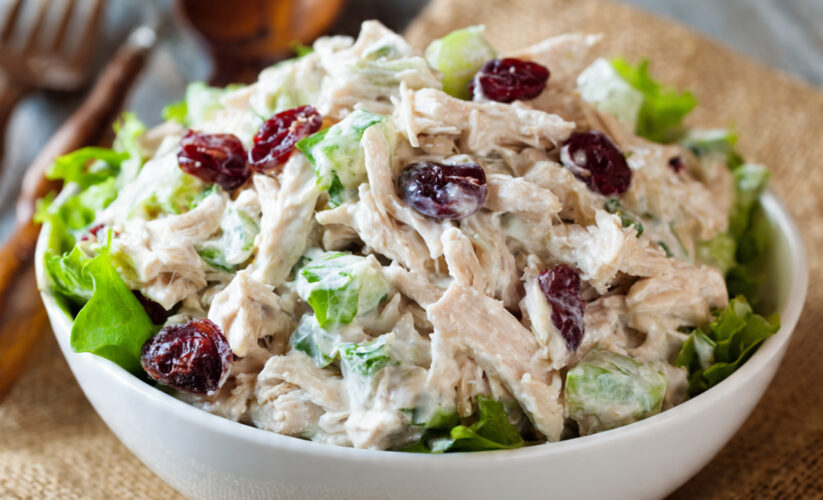
This chicken salad recipe is the kind of dependable classic that belongs in everyone’s cooking repertoire—it’s creamy, flavorful, endlessly customizable, and comes together in about fifteen minutes with ingredients you probably already have in your kitchen. Whether you’re making sandwiches for lunch, preparing food for a picnic, or simply looking for a protein-packed meal prep option, this chicken salad delivers every single time.
I learned to make chicken salad from my grandmother, who always kept a container of it in her refrigerator for drop-in guests and impromptu lunches. She had a saying: “Good chicken salad is about balance—not too wet, not too dry, and enough crunch to keep things interesting.” After making this recipe hundreds of times, I’ve come to understand exactly what she meant.
What sets this chicken salad recipe apart from mediocre versions is attention to detail. The chicken is perfectly seasoned and never dry. The vegetables add texture without overwhelming the mixture. The dressing brings everything together with just the right amount of creaminess and tang. Each component plays its part in creating something greater than the sum of its ingredients.
This recipe also serves as your foundation for infinite variations. Once you master the basic technique, you can transform this chicken salad recipe into curry chicken salad, Greek-inspired versions, or even a fancy cranberry-walnut combination. The possibilities are truly endless.
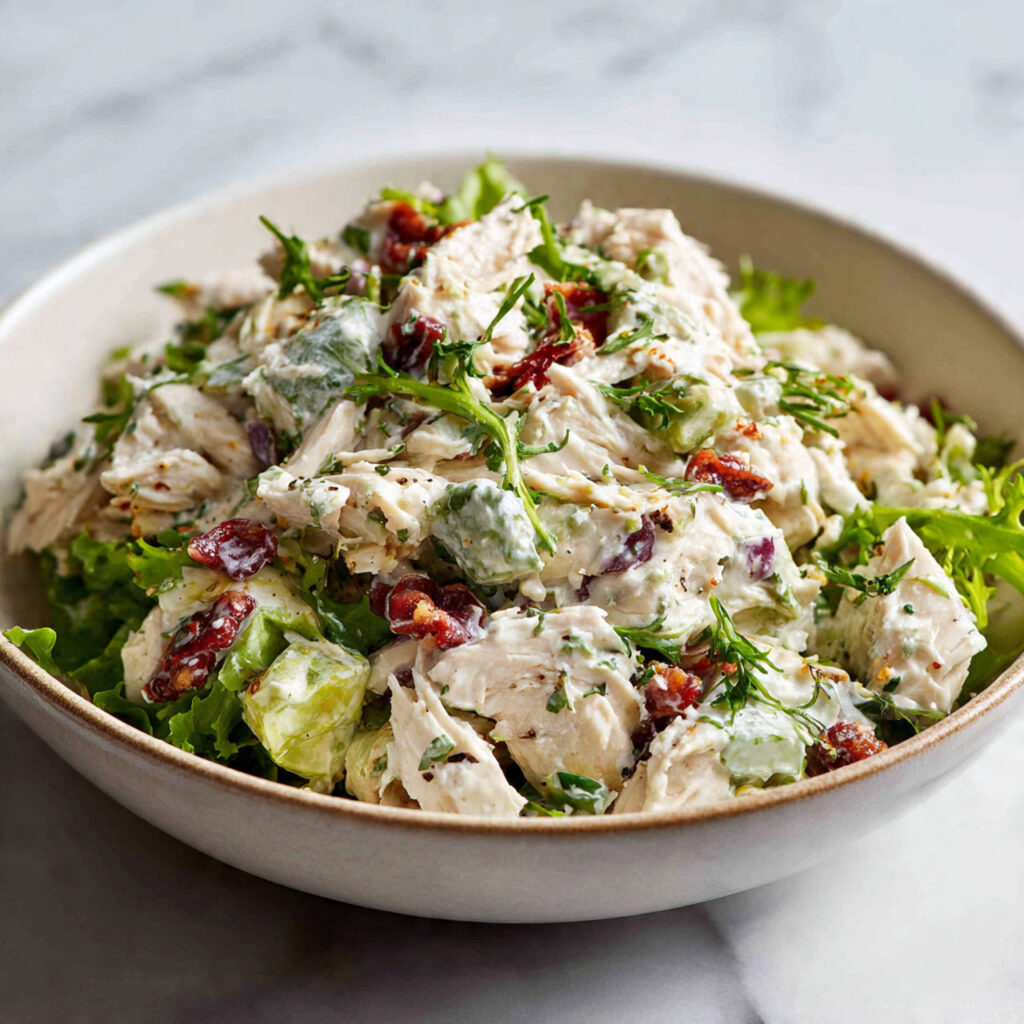
Why This Chicken Salad Recipe Works
The secret to exceptional chicken salad lies in cooking the chicken properly and balancing the wet and dry ingredients. Many recipes result in watery, bland mixtures because they skip crucial steps or use poor-quality ingredients.
This chicken salad recipe calls for poaching the chicken in seasoned water or broth. This gentle cooking method keeps the meat incredibly moist while infusing it with flavor. Compare this to dry, overcooked rotisserie chicken and you’ll taste the difference immediately.
The ratio of chicken to add-ins is carefully calibrated. Too many vegetables and you lose that satisfying protein-richness. Too few and the salad becomes monotonous and heavy. This recipe hits the sweet spot where every bite offers a variety of textures and flavors.
The dressing combines mayonnaise with Greek yogurt for a lighter, tangier result than mayo alone. This not only improves the nutritional profile but also prevents that cloying, overly rich taste that plagues many chicken salad recipes. A touch of Dijon mustard and fresh lemon juice brightens everything up beautifully.
Ingredients for Perfect Chicken Salad
Main Components:
- 3 cups cooked chicken breast, diced (about 1.5 pounds raw)
- 2/3 cup mayonnaise
- 1/3 cup plain Greek yogurt
- 2 teaspoons Dijon mustard
- 2 tablespoons fresh lemon juice
- 2 celery stalks, finely diced
- 1/4 cup red onion, finely diced
- 1/4 cup fresh parsley, chopped
- 2 tablespoons fresh dill, chopped (or 1 teaspoon dried)
- 1 teaspoon garlic powder
- 3/4 teaspoon salt
- 1/2 teaspoon black pepper
- 1/4 teaspoon paprika
Optional Add-Ins:
- 1/2 cup halved red grapes
- 1/3 cup toasted pecans or walnuts, chopped
- 1/4 cup dried cranberries
- 2 hard-boiled eggs, chopped
- 1 small apple, diced
For Serving:
- Bread for sandwiches
- Lettuce leaves
- Croissants
- Crackers
- Tortilla wraps
Ingredient Notes:
Chicken Selection: Boneless, skinless chicken breasts are classic, but thighs offer more flavor and stay moister. Rotisserie chicken works in a pinch but can be dry and overly salty. For absolute best results, poach your own chicken breasts in seasoned water.
Mayonnaise Matters: Use full-fat, quality mayonnaise like Duke’s or Hellmann’s. Low-fat mayo contains more water and sugar, creating a thinner, less flavorful chicken salad recipe. The Greek yogurt already lightens things up, so don’t compromise on mayo quality.
Celery is Essential: This vegetable provides the signature crunch that defines good chicken salad. Dice it fine and uniform—large chunks are unpleasant to bite into. If you absolutely hate celery, substitute with diced cucumber or water chestnuts for crunch.
Fresh Herbs Transform Everything: Fresh parsley and dill add brightness that dried herbs simply can’t match. If you only have dried, use one-third the amount called for and add a bit more lemon juice to compensate for lost freshness.
Onion Options: Red onion is milder and prettier than yellow, but either works. For less bite, soak diced onion in cold water for 10 minutes, then drain and pat dry before adding to your chicken salad recipe.
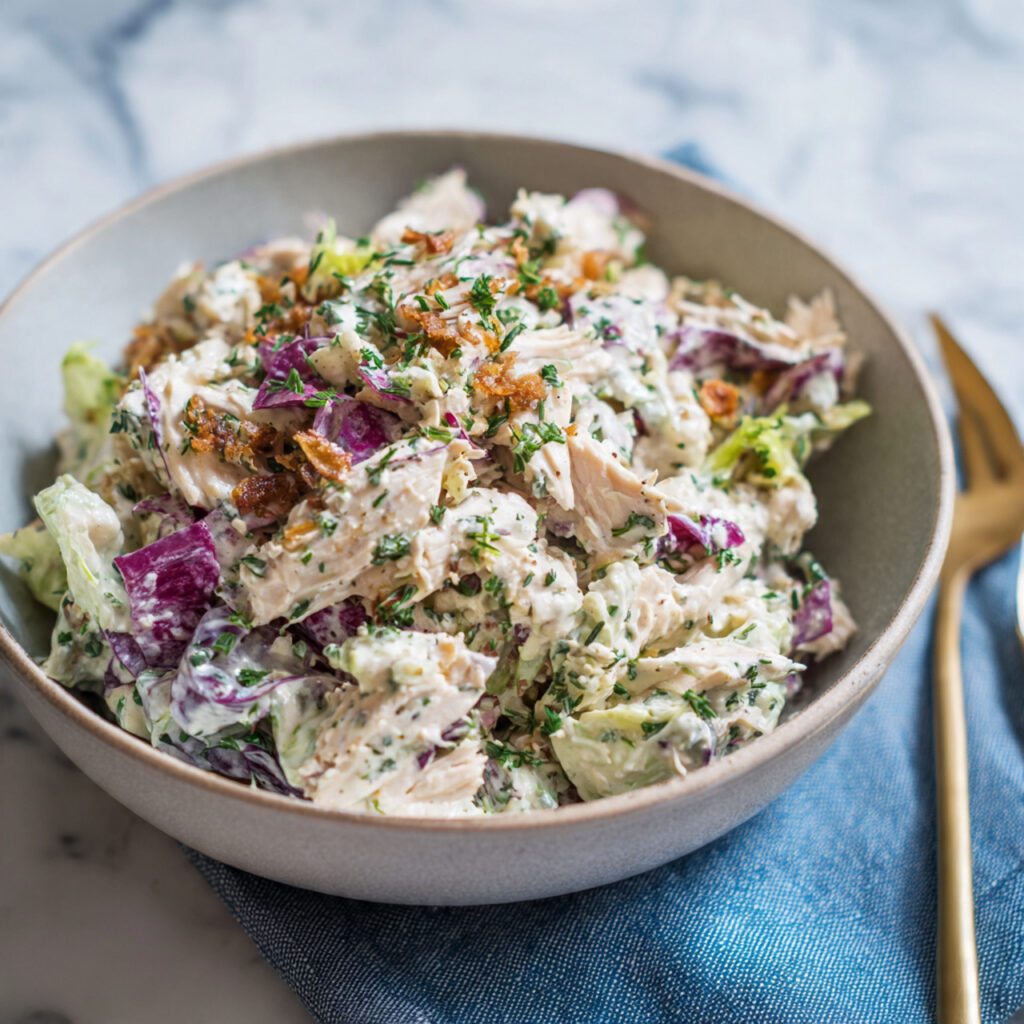
Step-by-Step Instructions for Chicken Salad
Step 1: Prepare the Chicken (15 minutes if cooking from raw)
If starting with raw chicken, place breasts in a medium saucepan and cover with cold water. Add 1 tablespoon salt, a few peppercorns, and a bay leaf if you have one. These seasonings infuse the chicken with subtle flavor.
Bring to a boil over high heat, then immediately reduce to the lowest simmer—just a few bubbles should break the surface occasionally. Cover and cook for 12-15 minutes depending on thickness. The chicken is done when it reaches 165°F internal temperature.
Remove chicken from the poaching liquid and let it cool on a cutting board for 10 minutes. This brief rest allows the juices to redistribute, ensuring moist, tender meat. Once cool enough to handle, dice into 1/2-inch cubes. Uniform pieces ensure consistent texture in every bite of your chicken salad.
If using rotisserie chicken, remove all the meat from the bones and dice it. Discard the skin, which adds excess fat and strange texture to chicken salad.
Step 2: Dice the Vegetables (5 minutes)
Wash and dry the celery stalks thoroughly. Trim off the leafy tops and the tough base, then cut each stalk lengthwise into thirds. Stack the strips and dice crosswise into small, uniform pieces about 1/4 inch in size.
Peel and dice the red onion similarly fine. The goal is pieces small enough that they distribute evenly throughout the chicken salad recipe without any single bite being overwhelmed by onion flavor.
If adding grapes, slice them in half. Whole grapes create awkward mouthfeel in chicken salad. If using apples, dice them into 1/4-inch pieces and toss with a bit of lemon juice to prevent browning.
Chop the fresh parsley and dill fine. Large herb pieces are unpleasant in texture and can dominate individual bites.
Step 3: Make the Dressing (3 minutes)
In a large mixing bowl, combine the mayonnaise, Greek yogurt, Dijon mustard, and fresh lemon juice. Whisk these together until completely smooth and homogeneous. The mixture should be creamy without any streaks of separated yogurt.
Add the garlic powder, salt, black pepper, and paprika. Whisk again to distribute the spices evenly throughout the dressing. The paprika adds subtle warmth and a hint of color to your chicken salad.
Taste the dressing at this stage. It should be well-seasoned, tangy, and slightly more flavorful than you think necessary—remember that it needs to season all that chicken. Adjust salt, pepper, or lemon juice if needed.
Step 4: Combine Everything (2 minutes)
Add the diced chicken to the bowl with the dressing. Using a large spoon or rubber spatula, fold the chicken into the dressing gently but thoroughly. Make sure every piece gets coated—this is what keeps the chicken salad moist and flavorful.
Add the celery, red onion, parsley, and dill. Fold everything together gently. Overmixing can break down the chicken into shreds, which changes the texture from chunky and satisfying to mushy and unappealing.
If using optional add-ins like grapes, nuts, or cranberries, fold them in last. This ensures they remain whole and distribute evenly throughout your chicken salad recipe.
Step 5: Chill and Serve (30 minutes minimum)
Transfer the chicken salad to an airtight container and refrigerate for at least 30 minutes before serving. This chilling time allows the flavors to meld together and the vegetables to release a bit of their moisture, creating a cohesive mixture.
After chilling, give the chicken salad a quick stir. Sometimes the dressing settles to the bottom during refrigeration. Taste one more time and adjust seasoning if needed—flavors dull slightly when cold, so you might want a pinch more salt or a squeeze of lemon.
Serve however you prefer: on bread for sandwiches, stuffed into croissants, wrapped in lettuce leaves for a low-carb option, or simply with crackers on the side.
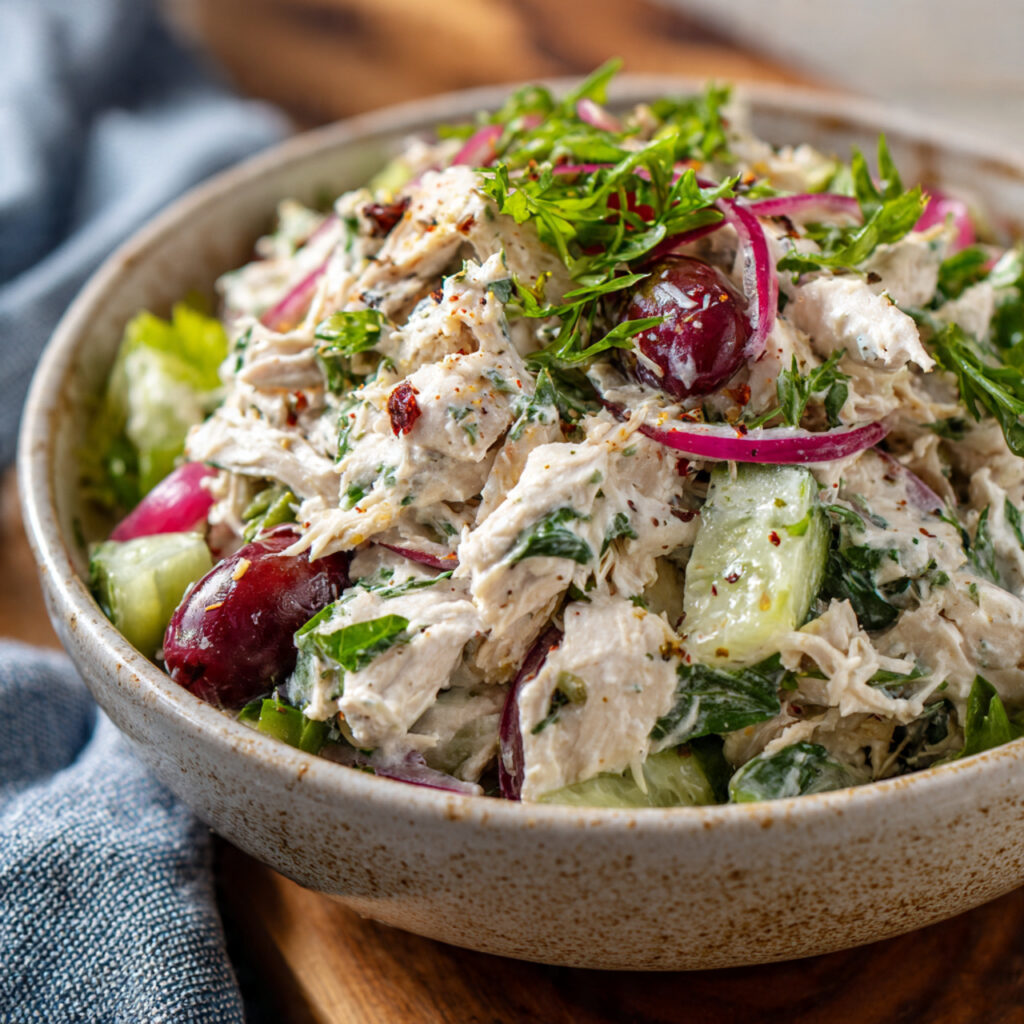
Pro Tips for Perfect Chicken Salad
Achieving the Ideal Consistency
The perfect chicken salad recipe should be creamy enough to hold together but not so wet that it makes bread soggy or drips when you eat it. The dressing should bind everything without pooling in the bottom of the container.
If your chicken salad seems too dry, add mayonnaise and yogurt one tablespoon at a time, mixing after each addition. If it’s too wet, add more diced chicken or let it sit in a fine-mesh strainer for 10 minutes to drain excess liquid.
Remember that chicken salad thickens slightly as it chills because the cold temperature firms up the mayonnaise. If making it ahead, err on the side of slightly looser consistency—it will set up perfectly by serving time.
Getting Maximum Flavor
Season your chicken salad in layers for the deepest flavor. Salt the poaching water for the chicken. Season the dressing generously. Taste before serving and adjust again if needed.
Fresh lemon juice is non-negotiable. It brightens all the rich, creamy elements and prevents the chicken salad from tasting flat and heavy. Don’t substitute bottled lemon juice—the fresh stuff makes a noticeable difference.
Let your chicken salad rest in the refrigerator for at least 30 minutes, but ideally 2-4 hours. This resting period allows the onions to mellow, the celery to release subtle flavor, and all the components to get acquainted. Day-old chicken salad often tastes even better than fresh.
Texture is Everything
The best chicken salad recipe offers multiple textures in every bite—tender chicken, crisp celery, and if you’ve added them, crunchy nuts and juicy grapes. This textural variety keeps things interesting from first bite to last.
Cut everything to roughly the same size. When all the components are uniform, every forkful or spoonful delivers a balanced mix. Large chunks of celery next to shredded chicken creates an uneven, unprofessional result.
Don’t over-dice the chicken. Pieces that are too small turn your chicken salad mushy and paste-like. Aim for 1/2-inch cubes—substantial enough to identify as chicken but small enough to mix well with other ingredients.
Make-Ahead Strategy
Chicken salad is actually an excellent make-ahead recipe. In fact, it improves after a day in the refrigerator as the flavors meld together. Prepare it up to 2 days before you plan to serve it.
If making chicken salad with grapes or apples for later use, wait to add these until just before serving. Both fruits release water as they sit, making the salad watery. Everything else can be combined in advance.
For meal prep, portion individual servings into small containers. This makes grabbing lunch on busy mornings effortless and helps control portions.
Flavor Variations to Try
Curry Chicken Salad: Add 2 teaspoons curry powder to the dressing, plus 1/2 cup golden raisins and 1/3 cup toasted slivered almonds. Reduce the onion slightly to let the curry shine through.
Cranberry Walnut Chicken Salad: Fold in 1/2 cup dried cranberries and 1/2 cup toasted chopped walnuts. Add 1 teaspoon of honey to the dressing for subtle sweetness that complements the tart cranberries.
Greek Chicken Salad: Swap Greek yogurt for all the mayo, add diced cucumber, Kalamata olives, crumbled feta cheese, and fresh oregano. This lighter version is perfect for summer.
Waldorf-Style Chicken Salad: Include diced apple, halved red grapes, and chopped walnuts. This classic combination brings sophistication to your chicken salad recipe.
Bacon Ranch Chicken Salad: Add crumbled crispy bacon, shredded cheddar cheese, and substitute ranch seasoning for the herbs. Kids go crazy for this version.
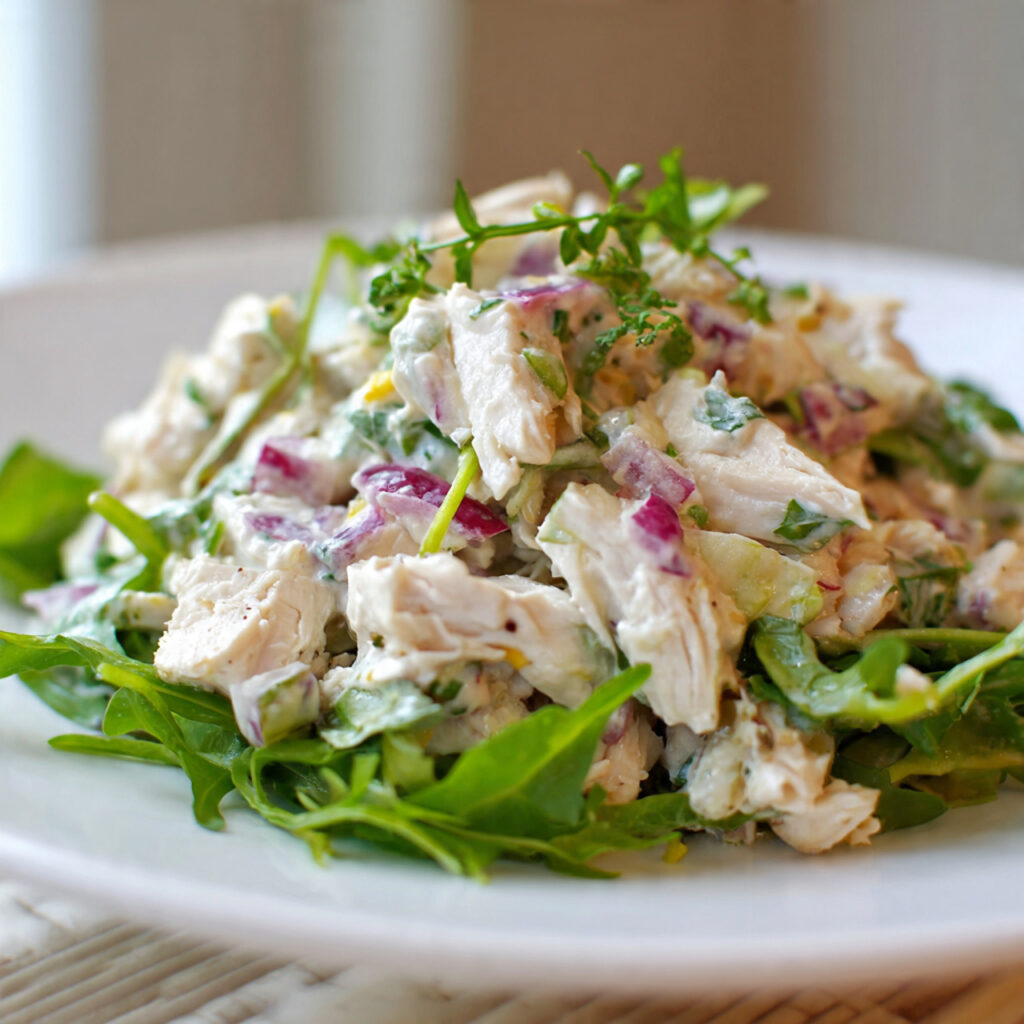
Common Mistakes to Avoid with Chicken Salad
Mistake #1: Using Dry, Overcooked Chicken
The foundation of any chicken salad recipe is, obviously, the chicken. Start with dry, rubbery chicken and no amount of mayo will save you. This is why I strongly recommend poaching your own chicken rather than using rotisserie.
If you do use rotisserie chicken, choose the breast meat and avoid any dried-out pieces. Add an extra tablespoon or two of dressing to compensate for the dryness.
Never boil chicken at a rolling boil. This toughens the proteins and squeezes out moisture. A gentle simmer produces tender, juicy meat every time. Use a thermometer to avoid overcooking—remove chicken at exactly 165°F.
Mistake #2: Adding Dressing to Warm Chicken
This seems like a time-saver but creates disaster. Warm chicken causes mayonnaise to break down and separate, resulting in oily, curdled-looking chicken salad that’s deeply unappealing.
Always cool your chicken completely before mixing with the dressing. If you’re in a hurry, spread the diced chicken on a baking sheet and refrigerate for 10 minutes. Patience here pays off significantly.
Mistake #3: Skimping on Vegetables and Herbs
Some people think chicken salad should be mostly chicken with just a smidge of celery. Wrong. The vegetables and herbs provide essential contrast to the rich, heavy chicken and mayo.
Follow the ratios in this chicken salad recipe. The celery adds crucial crunch and freshness. The onion brings sharpness that cuts through richness. The herbs contribute brightness that prevents the salad from tasting one-dimensional.
That said, don’t go overboard in the opposite direction. Too many add-ins and you end up with vegetable salad that happens to contain some chicken.
Mistake #4: Using All Mayonnaise
Traditional chicken salad recipes call for 100% mayonnaise, which creates an incredibly heavy, rich result that’s hard to eat more than a small serving of. Substituting half the mayo with Greek yogurt lightens the texture, adds protein, and provides tanginess that makes the salad more interesting.
This modification also makes the chicken salad recipe healthier without tasting “diet-y” or compromised. Trust me—even mayo purists won’t detect the difference.
Mistake #5: Not Seasoning Properly
Chicken salad that tastes bland and disappointing usually suffers from under-seasoning. The dressing needs enough salt to properly season all that chicken, plus acid to brighten everything up.
Season the dressing generously before adding the chicken, then taste again after everything is combined. The chicken will absorb some of the seasoning, so what tastes perfect in the bowl might need a bit more salt after chilling.
Don’t forget the acid. Fresh lemon juice is essential for keeping chicken salad tasting bright and fresh rather than heavy and dull.
Mistake #6: Making it Too Far in Advance
While chicken salad improves with a few hours or even a day of chilling, it doesn’t last forever. After 3-4 days, the vegetables release too much water, the herbs turn brown, and the overall quality degrades significantly.
Make only what you’ll eat within 3 days. If you need chicken salad for later in the week, prepare and cook the chicken but wait to assemble everything until 1-2 days before serving.
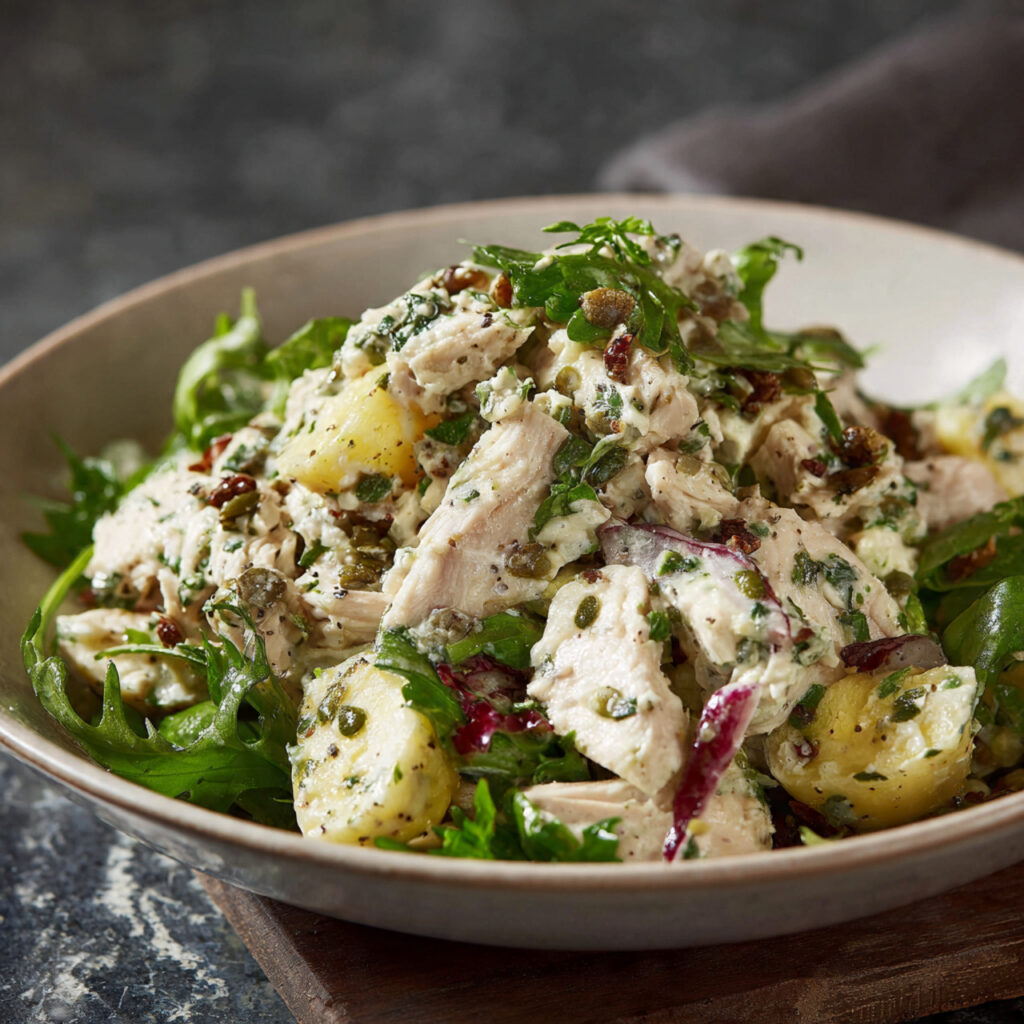
Storage and Serving Suggestions for Chicken Salad
Proper Storage Methods
Store chicken salad in an airtight container in the coldest part of your refrigerator—typically the back of the bottom shelf. Properly stored, it stays fresh and safe to eat for 3-4 days.
Don’t leave chicken salad at room temperature for more than 2 hours. The combination of poultry and mayonnaise-based dressing creates ideal conditions for bacterial growth. Pack it in an insulated lunch box with an ice pack if taking it to work or school.
If you notice any off smell, discoloration, or if it’s been more than 4 days, discard it. Food safety with chicken-based dishes is not something to gamble with.
Serving Ideas for Chicken Salad
Classic Sandwich: Spread chicken salad generously between two slices of your favorite bread. Add lettuce, tomato, and maybe some bacon if you’re feeling indulgent. White bread, whole wheat, sourdough, and rye all work beautifully.
Croissant Sandwich: Slice a buttery croissant in half and fill with chicken salad and butter lettuce. The flaky, rich croissant pairs perfectly with the creamy filling. This is my personal favorite way to serve this chicken salad recipe.
Lettuce Wraps: For a low-carb, lighter option, spoon chicken salad into large butter lettuce or romaine leaves. Roll them up like tacos. This presentation is also beautiful for entertaining.
Stuffed Tomatoes or Avocados: Hollow out beefsteak tomatoes or halved avocados and fill with chicken salad. This makes an elegant lunch or light dinner with impressive presentation.
On Crackers: Serve as an appetizer by setting out a bowl of chicken salad with an assortment of crackers. Triscuits, Ritz, and water crackers all work well.
Wrap or Pita: Roll chicken salad in a large flour tortilla with lettuce and tomato, or stuff it into pita bread pockets. These travel better than traditional sandwiches for packed lunches.
What to Serve with Chicken Salad
Fresh fruit is a natural pairing with this chicken salad recipe. Sliced melon, grapes, apple slices, or berries provide sweet contrast to the savory, creamy salad.
Potato chips or kettle chips add satisfying crunch and salt. Pretzels serve the same purpose if you prefer.
A simple green salad with vinaigrette balances the richness of chicken salad nicely. Keep it light and fresh—mixed greens with cucumber, tomatoes, and a lemon vinaigrette.
Soup makes this into a more substantial meal. Tomato soup, vegetable soup, or broth-based soups all complement chicken salad sandwiches beautifully.
Frequently Asked Questions About Chicken Salad
Can I use canned chicken for this recipe?
While canned chicken works in a pinch, it produces noticeably inferior results. Canned chicken tends to be mushy in texture, overly salty, and lacks the pleasant, fresh flavor of properly cooked chicken breast.
If you must use canned chicken, drain it thoroughly and rinse it with cold water to remove excess salt. Pat it very dry before mixing with the dressing. Reduce the salt in the recipe by half since canned chicken is pre-salted.
For best results, invest the 15 minutes needed to poach fresh chicken. The difference in quality is dramatic and absolutely worth the minimal extra effort.
How long does chicken salad last in the refrigerator?
Properly stored in an airtight container, this chicken salad recipe stays fresh for 3-4 days in the refrigerator. After that point, the vegetables start releasing too much water, the herbs lose their vibrant flavor, and food safety becomes a concern.
Always smell and visually inspect chicken salad before eating leftovers. If it smells off, looks discolored, or has been in your fridge longer than 4 days, throw it away. When it comes to poultry-based dishes, it’s better to be safe.
For maximum freshness, don’t add delicate ingredients like grapes or apples until just before serving if you know you’ll have leftovers.
Can I freeze chicken salad?
Technically yes, but I don’t recommend it. Mayonnaise-based dressings don’t freeze well—they separate and become watery and grainy when thawed. The vegetables also turn mushy, and the overall texture becomes quite unpleasant.
If you want to meal prep chicken salad for longer storage, freeze the cooked, diced chicken separately. When you’re ready to use it, thaw the chicken in the refrigerator overnight, then prepare the fresh chicken salad recipe with freshly made dressing and vegetables.
This approach gives you the convenience of advance prep without compromising quality.
What’s the best bread for chicken salad sandwiches?
This comes down to personal preference, but several options excel. Soft white bread or potato bread provides neutral, mild flavor that lets the chicken salad shine. The soft texture also prevents the filling from squishing out when you bite.
Croissants are my favorite—the buttery, flaky layers add richness and the sturdy structure holds up to the moist filling without getting soggy. They also make the sandwich feel special rather than everyday.
Whole wheat or multigrain bread adds nutty flavor and extra nutrition. Sourdough brings pleasant tang. Rye offers distinctive flavor for those who enjoy it.
For open-faced sandwiches, use sturdy bread that can support the weight without sagging—toasted sourdough or ciabatta work well.
How can I make chicken salad healthier?
Several simple modifications lighten this chicken salad recipe without sacrificing flavor. Replace all the mayonnaise with Greek yogurt for a dramatically lower-fat, higher-protein version. It will be tangier but still delicious.
Use half mayo and half yogurt (as the recipe already does) for a nice middle ground. Add extra vegetables like diced bell pepper or cucumber to increase volume without adding calories.
Serve your chicken salad in lettuce wraps instead of bread, or on cucumber rounds for a completely grain-free option. Skip any optional add-ins like nuts or dried fruit if watching calories.
The chicken itself is already lean protein, so the main place to trim calories and fat is in the dressing.
Can I make chicken salad without mayonnaise?
Absolutely! While mayo is traditional, several alternatives work well. Use all Greek yogurt instead of the mayo-yogurt combo. The result will be tangier and lighter but perfectly delicious.
Mashed avocado creates a creamy, dairy-free chicken salad. Use about 1 ripe avocado plus a bit of Greek yogurt or sour cream to reach the right consistency.
For a completely dairy-free version, use vegan mayo (which works surprisingly well in this chicken salad recipe) or make a tahini-based dressing by combining tahini, lemon juice, and a bit of water.
Each alternative creates a slightly different flavor profile, but all can be delicious in their own right.
What can I add to chicken salad to make it more interesting?
The variations are truly endless. Try diced apple and walnuts for Waldorf-style. Add curry powder and golden raisins for an Indian-inspired version. Mix in dried cranberries and pecans for a sweet-savory combination.
Fresh herbs beyond parsley and dill—try tarragon, cilantro, or basil. Different vegetables like diced bell pepper, cucumber, or even shredded carrots. Cheese like crumbled blue cheese, feta, or shredded cheddar adds richness.
Crumbled bacon, diced hard-boiled eggs, or halved grapes are all classic add-ins. Water chestnuts bring extra crunch. Chopped pickles or pickle relish add tangy brightness.
Start with this basic chicken salad recipe, then customize it to match your taste preferences or what you have available.
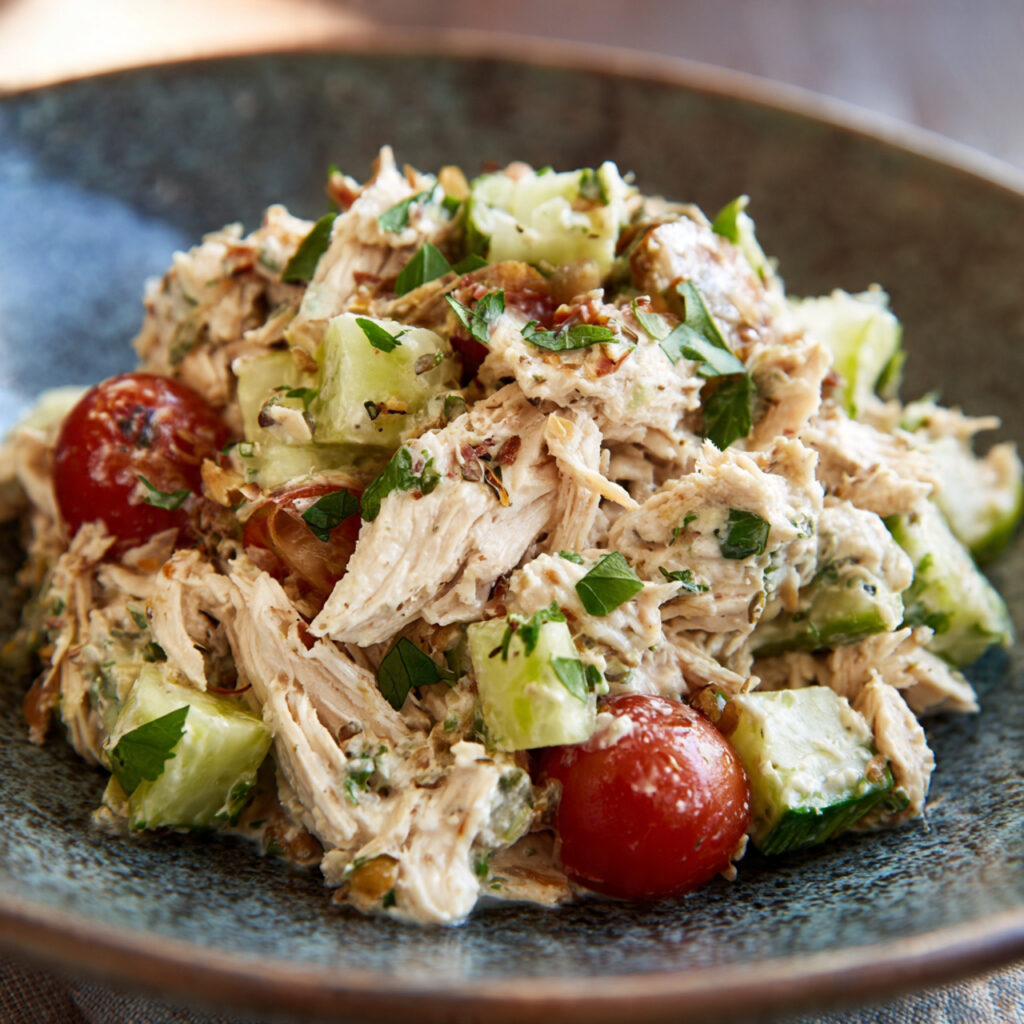
Health Benefits
This chicken salad recipe provides excellent nutrition despite being perceived as indulgent. Chicken breast is one of the leanest protein sources available, supporting muscle maintenance and keeping you satisfied for hours.
The Greek yogurt contributes probiotics for digestive health along with additional protein and calcium. Using yogurt to replace some of the mayonnaise significantly reduces the calorie and fat content without compromising flavor.
Celery provides fiber and vitamin K, plus beneficial plant compounds. The fresh herbs add antioxidants and anti-inflammatory properties. Onions contribute quercetin, a powerful antioxidant.
For the most nutritious version of this chicken salad recipe, serve it in lettuce wraps or on whole grain bread, and add extra vegetables to increase the fiber and nutrient content.
Print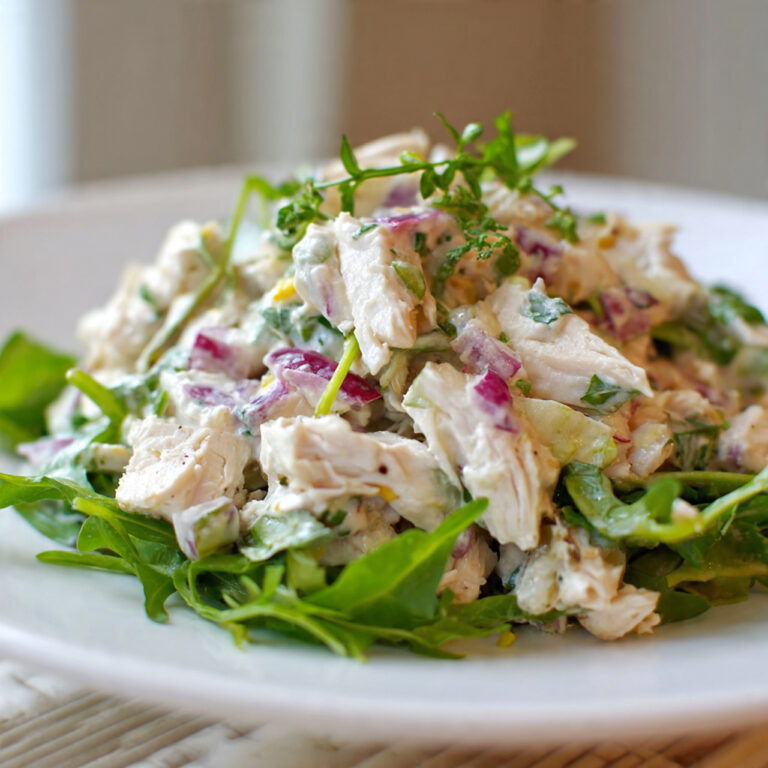
Best Chicken Salad Recipe Ever (5 Delicious Variations!)
This classic chicken salad recipe combines tender, perfectly seasoned chicken with crisp celery, fresh herbs, and a creamy dressing made from mayonnaise and Greek yogurt. Ready in just 15 minutes (not including chicken cooking time), it’s ideal for sandwiches, lettuce wraps, or serving on crackers. The recipe includes five delicious variations so you’ll never get bored.
- Total Time: 30 minutes (plus 30 minutes chilling time recommended)
- Yield: 6 servings (about 1 cup each)
Ingredients
Main Components:
- 3 cups cooked chicken breast, diced (about 1.5 pounds raw)
- 2/3 cup mayonnaise
- 1/3 cup plain Greek yogurt
- 2 teaspoons Dijon mustard
- 2 tablespoons fresh lemon juice
- 2 celery stalks, finely diced
- 1/4 cup red onion, finely diced
- 1/4 cup fresh parsley, chopped
- 2 tablespoons fresh dill, chopped
- 1 teaspoon garlic powder
- 3/4 teaspoon salt
- 1/2 teaspoon black pepper
- 1/4 teaspoon paprika
Optional Add-Ins:
- 1/2 cup halved red grapes
- 1/3 cup toasted pecans or walnuts
- 1/4 cup dried cranberries
- 2 hard-boiled eggs, chopped
- 1 small apple, diced
Instructions
- Cook chicken (if starting from raw): Place chicken breasts in a saucepan, cover with water, add 1 tablespoon salt. Simmer gently for 12-15 minutes until internal temperature reaches 165°F. Cool and dice into 1/2-inch pieces.
- Prep vegetables: Finely dice celery and red onion into 1/4-inch pieces. Chop fresh parsley and dill.
- Make dressing: In a large bowl, whisk together mayonnaise, Greek yogurt, Dijon mustard, and lemon juice until smooth. Add garlic powder, salt, pepper, and paprika. Mix well.
- Combine: Add diced chicken to the dressing and fold to coat thoroughly. Add celery, onion, parsley, and dill. Fold gently until evenly distributed.
- Add optional ingredients: If using grapes, nuts, cranberries, or other add-ins, fold them in last.
- Chill: Refrigerate for at least 30 minutes (ideally 2-4 hours) before serving to allow flavors to meld.
- Serve: Stir before serving and adjust seasoning if needed. Serve on bread, croissants, lettuce wraps, or with crackers.
Notes
- Chicken options: Rotisserie chicken works but may be drier. For best results, poach your own chicken breasts.
- Lighter version: Use all Greek yogurt instead of mayo, or increase yogurt ratio to 1/2 cup yogurt and 1/2 cup mayo.
- Make ahead: Chicken salad improves after chilling. Prepare up to 2 days ahead, but wait to add grapes or apples until just before serving.
- Variations: See the article for curry, cranberry-walnut, Greek, Waldorf, and bacon ranch variations.
- Storage: Keep refrigerated in an airtight container for 3-4 days maximum.
- Serving size: Recipe makes about 6 cups total, serving 6 people generously.
- Gluten-free: This chicken salad recipe is naturally gluten-free. Serve on GF bread or crackers.
- Prep Time: 15 minutes
- Cook Time: 15 minutes (for chicken, if starting from raw)
- Category: Salads
- Method: Mixed, No-Cook (if using pre-cooked chicken)
- Cuisine: American
- Diet: Gluten Free