
Incredible 15-Minute Honey Glazed Salmon (Easy & Delicious!)

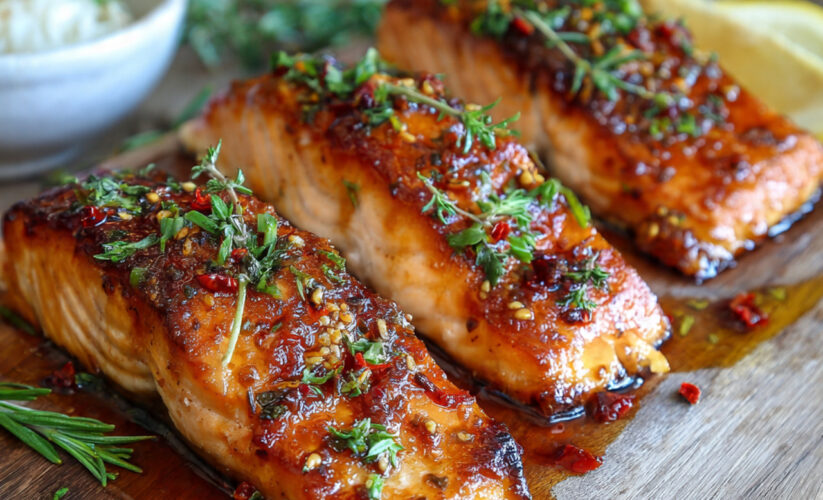
Honey glazed salmon is one of those magical dishes that transforms a simple piece of fish into something extraordinary with minimal effort. The combination of sweet honey, savory soy sauce, and perfectly cooked salmon creates a meal that tastes like it came from an upscale restaurant, yet takes less time to prepare than ordering takeout.
I’ll never forget the first time I made this recipe. It was a hectic Tuesday evening, and I needed something quick but impressive. My family took one bite of that glossy, caramelized salmon and the dinner table went silent—the best kind of compliment. Since then, this honey glazed salmon has become my go-to recipe for busy weeknights, special occasions, and everything in between.
What makes this recipe truly special is its versatility. Whether you’re cooking for picky eaters, health-conscious family members, or dinner guests you want to impress, this dish delivers every single time. The glaze strikes the perfect balance between sweet and savory, while the salmon remains moist and flaky inside with beautifully caramelized edges.
In this comprehensive guide, I’ll walk you through everything you need to know to create perfect honey glazed salmon. You’ll learn the exact techniques professional chefs use, common mistakes to avoid, and pro tips that guarantee restaurant-quality results. By the end, you’ll have the confidence to make this dish any night of the week.
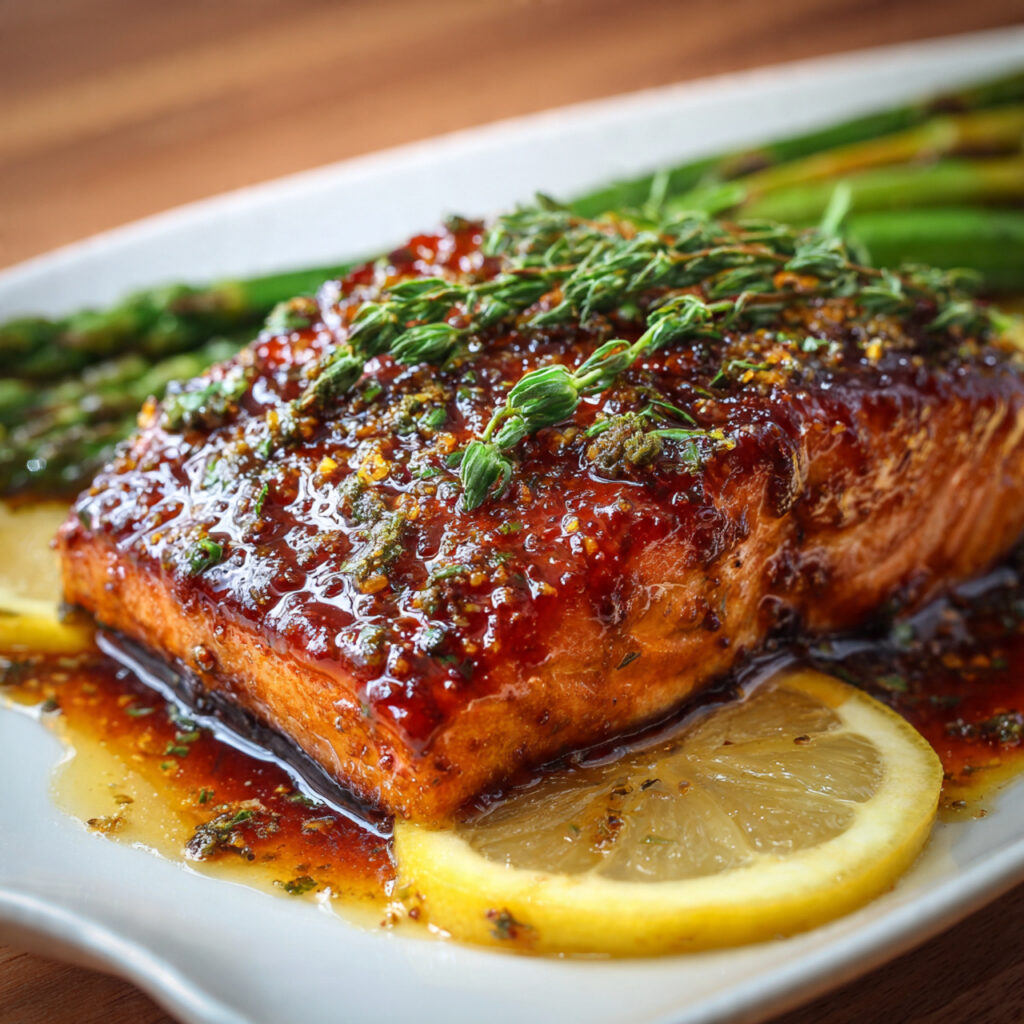
Why This Honey Glazed Salmon Recipe Works
The secret to exceptional honey glazed salmon lies in understanding the science behind the glaze. Honey contains natural sugars that caramelize beautifully under heat, creating that gorgeous golden-brown exterior. When combined with soy sauce, garlic, and a touch of acidity, you get a complex flavor profile that enhances rather than masks the natural richness of the salmon.
This recipe also addresses the most common challenge home cooks face: keeping the salmon moist while achieving that coveted caramelized crust. The technique I’ll share ensures your fish stays tender and succulent while the glaze develops those irresistible crispy edges.
Another reason this recipe has become such a favorite is its flexibility. You can prepare it in a skillet, in the oven, or even on the grill. Each method produces slightly different results, and I’ll guide you through all three so you can choose based on your preference and available equipment.
Ingredients for Perfect Honey Glazed Salmon
For the Salmon:
- 4 salmon fillets (6 ounces each, about 1 inch thick)
- 1 tablespoon olive oil or avocado oil
- 1/2 teaspoon salt
- 1/4 teaspoon black pepper
- 1/4 teaspoon garlic powder
For the Honey Glaze:
- 1/3 cup honey (raw or regular)
- 3 tablespoons soy sauce (or tamari for gluten-free)
- 2 tablespoons fresh lemon juice
- 1 tablespoon rice vinegar
- 3 cloves garlic, minced
- 1 teaspoon fresh ginger, grated
- 1/4 teaspoon red pepper flakes (optional, for heat)
- 1 tablespoon butter (for finishing)
For Garnish:
- 2 tablespoons fresh parsley, chopped
- 1 tablespoon sesame seeds
- Lemon wedges
- Sliced green onions
Ingredient Notes and Substitutions:
Salmon Selection: Wild-caught salmon offers superior flavor and firmer texture, but farm-raised works beautifully too. Look for bright, firm fillets with no fishy odor. Sockeye, coho, and Atlantic salmon all work wonderfully for this recipe.
Honey Choices: Any variety of honey works, but different types bring unique flavors. Clover honey offers mild sweetness, while wildflower honey adds complexity. Avoid honeycomb or crystallized honey as they won’t incorporate smoothly into the glaze.
Soy Sauce Alternatives: If you’re avoiding soy, coconut aminos provide similar depth with slightly more sweetness. Tamari is ideal for gluten-free needs and tastes nearly identical to regular soy sauce.
Fresh vs. Dried Garlic: Fresh garlic is non-negotiable in the glaze for this recipe. Dried or powdered garlic simply won’t provide the same aromatic punch and can taste harsh when caramelized.
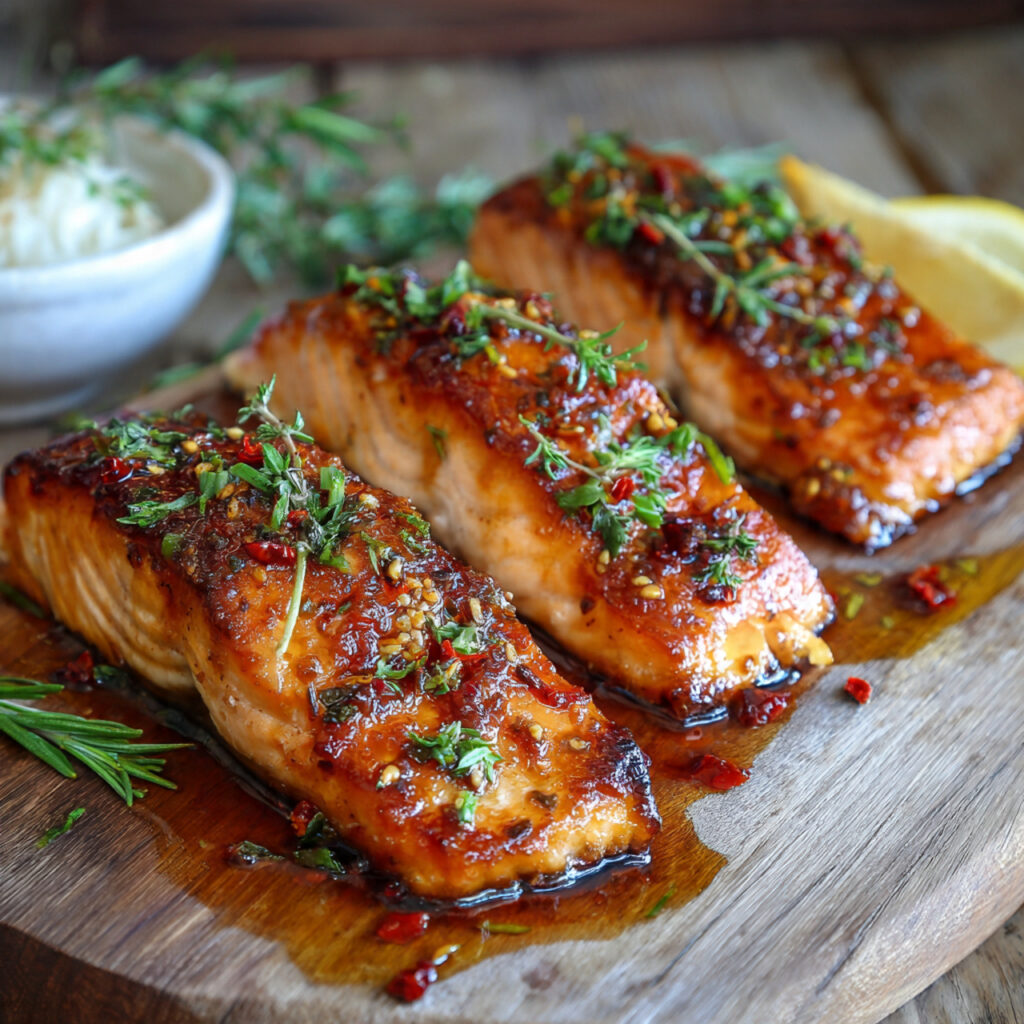
Step-by-Step Instructions for Honey Glazed Salmon
Step 1: Prepare Your Ingredients (5 minutes)
Start by removing your salmon from the refrigerator 15 minutes before cooking. Room temperature fish cooks more evenly than cold fillets straight from the fridge. This simple step prevents the exterior from overcooking while the center catches up.
Pat the salmon fillets completely dry with paper towels. This crucial step ensures proper caramelization. Any surface moisture will steam the fish rather than searing it, preventing that beautiful golden crust from forming.
Season both sides of each fillet with salt, pepper, and garlic powder. Don’t be shy with the seasoning—salmon can handle bold flavors, and much of the seasoning will be washed away when you apply the glaze.
Step 2: Make the Honey Glaze (3 minutes)
In a small bowl, whisk together honey, soy sauce, lemon juice, rice vinegar, minced garlic, grated ginger, and red pepper flakes if using. Whisk vigorously until the honey fully dissolves and the mixture becomes smooth and homogeneous.
The glaze should have the consistency of thin syrup. If it seems too thick, add a teaspoon of water. Too thin? Add another tablespoon of honey. The right consistency allows the glaze to coat the salmon without sliding off while still being fluid enough to caramelize properly.
Set aside half of the glaze in a separate small bowl. You’ll use this portion for basting during cooking and as a finishing sauce. Never use the same glaze for both raw fish and finishing, as this poses food safety concerns.
Step 3: Sear the Salmon (4 minutes)
Heat your largest skillet over medium-high heat for two full minutes. Add the oil and swirl to coat the bottom evenly. The pan should be hot enough that a drop of water sizzles immediately but doesn’t smoke.
Place the salmon fillets skin-side up in the pan, spacing them at least an inch apart. Resist the urge to move them. Let them sear undisturbed for 4 minutes. You’ll know they’re ready to flip when the edges turn opaque and the fillets release easily from the pan.
The key to perfect honey glazed salmon is patience during this initial sear. Those 4 minutes allow the Maillard reaction to occur, creating complex flavors and that restaurant-quality golden crust.
Step 4: Flip and Glaze (3 minutes)
Using a fish spatula or thin metal spatula, carefully flip each fillet. The cooked side should be golden brown with crispy edges. If the fish sticks, give it another 30 seconds—it will release when ready.
Immediately brush the cooked top surface generously with your reserved glaze. The residual heat will begin caramelizing the sugars right away, filling your kitchen with an incredible aroma.
Reduce the heat to medium and cook for another 3 minutes. The exact timing depends on the thickness of your fillets. For 1-inch thick salmon, 3 minutes is perfect. Thicker cuts may need an additional minute.
Step 5: Apply the Final Glaze (2 minutes)
Brush another generous layer of glaze over the top of each fillet. The glaze should bubble and thicken almost immediately, creating that signature sticky coating.
Add the tablespoon of butter to the pan, letting it melt and combine with the glaze drippings. Tilt the pan slightly and use a spoon to baste the salmon with this butter-glaze mixture. This final step adds incredible richness and helps the glaze adhere beautifully.
Cook for one final minute, then remove the pan from heat. The salmon should reach an internal temperature of 125-130°F for medium, which is ideal for maximum moisture and flavor. The fish will continue cooking slightly from residual heat.
Step 6: Rest and Serve (2 minutes)
Transfer the salmon fillets to serving plates and let them rest for 2 minutes. This brief rest allows the juices to redistribute throughout the fish, ensuring every bite is moist and flavorful.
Drizzle any remaining pan sauce over the salmon. Garnish with chopped parsley, sesame seeds, and green onions. Serve with lemon wedges on the side for those who enjoy an extra citrus pop.
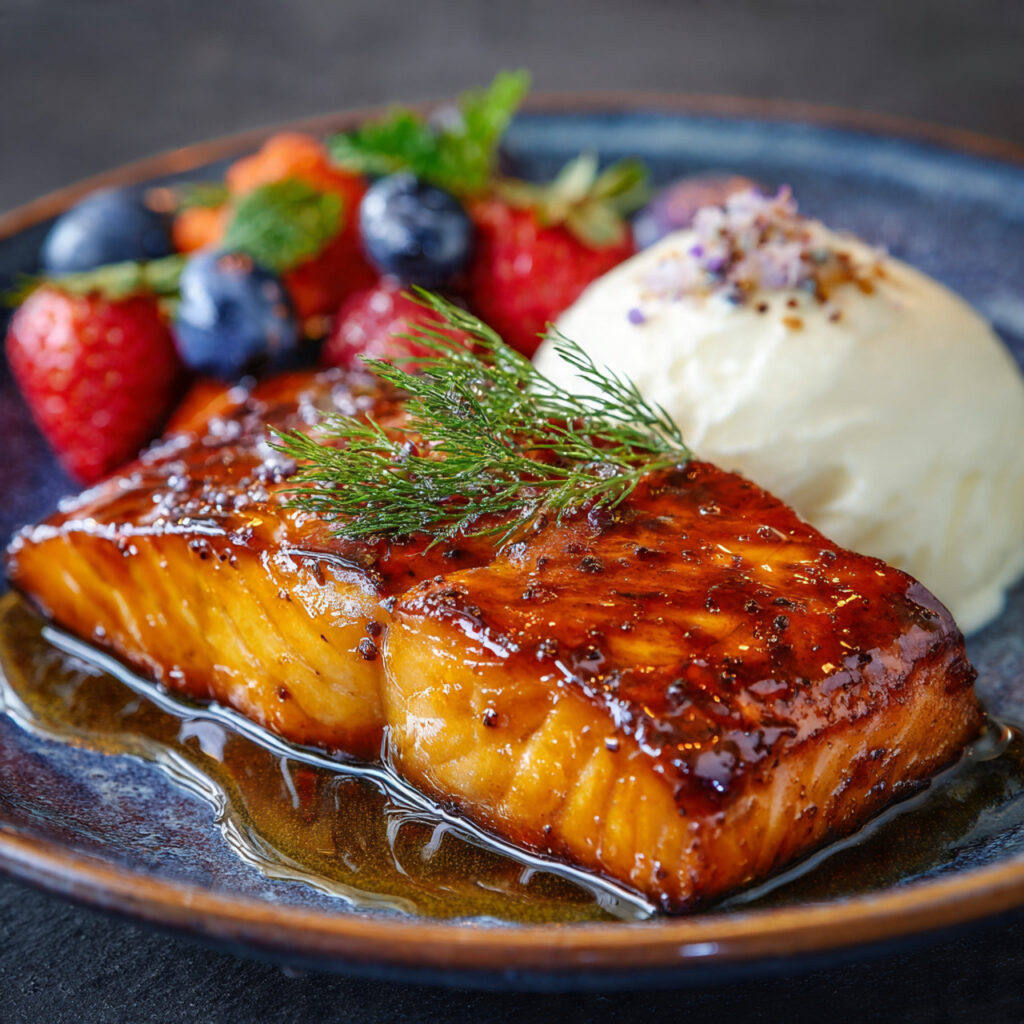
Pro Tips for Perfect Honey Glazed Salmon
Choosing the Right Salmon
Thickness matters tremendously when making honey glazed salmon. Look for fillets that are uniform in thickness, around 1 inch throughout. Tapered pieces cook unevenly, with thin sections drying out before thick portions finish cooking.
Check for quality by examining the color and texture. Fresh salmon should have vibrant color—deep red for sockeye, bright pink-orange for Atlantic—with firm flesh that springs back when pressed. Avoid any fillets with brown spots or a strong fishy smell.
If you can only find skin-on salmon, don’t worry. The skin protects the delicate flesh during cooking and crisps up beautifully. Some people even consider crispy salmon skin a delicacy. Simply score the skin with a sharp knife before cooking to prevent curling.
Temperature Control is Everything
The difference between dry, overcooked salmon and perfectly moist honey glazed salmon often comes down to temperature management. Medium-high heat sears the exterior while medium heat gently finishes the interior without drying it out.
Invest in an instant-read thermometer if you don’t already own one. Remove salmon from heat at 125°F for medium-rare or 130°F for medium. The fish continues cooking after leaving the pan, reaching the perfect final temperature during the rest period.
Never cook salmon past 145°F unless you prefer very well-done fish. Beyond this temperature, the proteins contract so tightly that they squeeze out moisture, resulting in that chalky, dry texture nobody enjoys.
Glaze Consistency Secrets
The perfect glaze should coat the back of a spoon without being gloppy. If your glaze seems too thin, you have two options: simmer it in a small saucepan for 2-3 minutes to reduce and concentrate the flavors, or add an extra tablespoon of honey.
For a thicker, more syrupy glaze that really clings to the salmon, mix 1/2 teaspoon of cornstarch with 1 teaspoon of cold water. Add this slurry to your glaze and heat briefly, whisking constantly. The glaze will thicken dramatically and develop an almost lacquered appearance.
Some cooks prefer a lighter glaze application that lets the salmon’s natural flavor shine through. Others love a thick, candy-like coating. Adjust the amount you apply based on your preference, but always reserve some glaze for serving alongside the fish.
Preventing the Fish from Sticking
Even with a non-stick pan, salmon can stick if not handled properly. The secret is threefold: thoroughly dry the fish, ensure the pan is properly heated, and resist moving the fillets prematurely.
For extra insurance against sticking, try this restaurant technique: before adding oil, heat your empty pan until very hot, then add oil and immediately add the fish. The rapid temperature creates a barrier that prevents sticking.
If using a stainless steel pan, know that the fish will stick initially but will release naturally once a proper sear forms. Fighting this natural process by trying to move the fish too early guarantees torn fillets and frustration.
Timing for Different Cooking Methods
Pan-Seared Method: This is my preferred technique for honey glazed salmon. Total cooking time: 7-8 minutes for 1-inch fillets. The direct heat caramelizes the glaze beautifully while keeping the interior moist.
Oven-Baked Method: Preheat oven to 400°F. Sear salmon in an oven-safe skillet for 3 minutes, flip, apply glaze, then transfer to oven for 5-7 minutes. This method is ideal when cooking for larger groups.
Broiler Method: For an intensely caramelized crust, finish glazed salmon under the broiler for 2-3 minutes. Watch carefully as the sugars can burn quickly. This creates incredible texture but requires vigilant attention.
Grilling Method: Preheat grill to medium-high. Oil the grates thoroughly. Grill salmon skin-side down for 6 minutes without moving, then flip, apply glaze, and cook for 3-4 minutes more. The smoky char adds another flavor dimension to your honey glazed salmon.
Scaling the Recipe
This recipe easily doubles or triples for entertaining. When cooking multiple batches, keep finished salmon warm in a 200°F oven while preparing subsequent batches. Cover loosely with foil to prevent drying.
For a single serving, simply divide all ingredients by four. The technique remains identical, though you might finish cooking a minute earlier due to less crowding in the pan.
When cooking more than four fillets simultaneously, use two pans rather than crowding a single pan. Overcrowding drops the pan temperature, causing the fish to steam instead of sear, and you’ll never achieve that gorgeous caramelization.
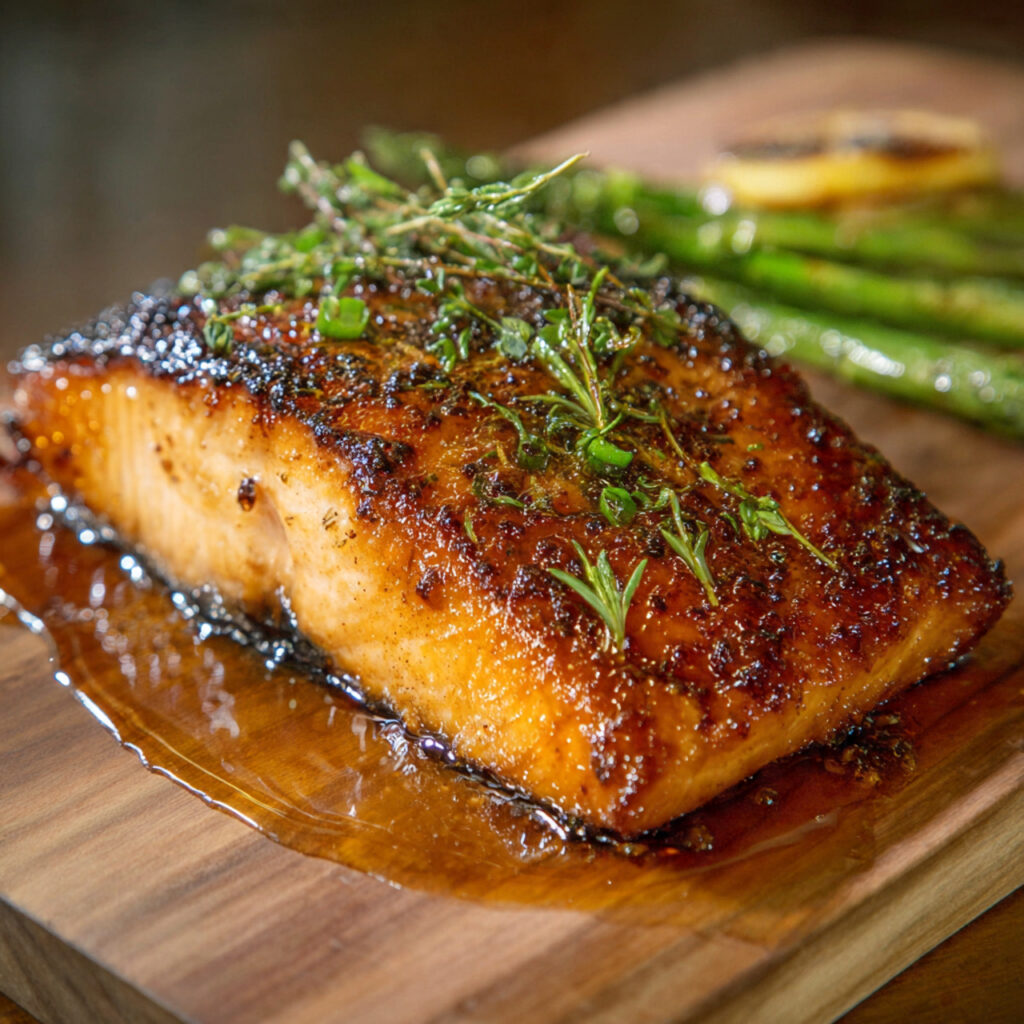
Common Mistakes to Avoid When Making Honey Glazed Salmon
Mistake #1: Starting with Cold Fish
One of the most prevalent errors home cooks make is going straight from refrigerator to pan. Cold salmon has two problems: the center stays raw while the exterior overcooks, and the sudden temperature shock causes the proteins to contract, pushing out moisture.
Always bring salmon to room temperature for 15-20 minutes before cooking. This simple step ensures even cooking from edge to center and significantly improves the final texture of your honey glazed salmon.
In a time crunch? Place vacuum-sealed or wrapped salmon in lukewarm (not hot) water for 5-10 minutes. This speeds the tempering process without accidentally cooking the fish.
Mistake #2: Using Too Much Heat
High heat seems logical for achieving caramelization, but it’s actually the enemy of perfect honey glazed salmon. Excessive heat burns the sugars in the honey before the fish cooks through, creating bitter, acrid flavors and a charred appearance.
Medium-high heat for the initial sear, followed by medium heat for the glazing phase, provides the ideal balance. The salmon cooks gently while the glaze caramelizes slowly, developing complex flavors without burning.
If you notice the glaze smoking or turning black, immediately reduce the heat and add a tablespoon of water to the pan. This creates steam that cools the pan quickly and prevents further burning.
Mistake #3: Applying Glaze Too Early
Beginning cooks often brush the glaze on raw salmon, expecting it to caramelize during cooking. This approach backfires spectacularly. The glaze burns long before the salmon finishes cooking, and the sugars never develop that beautiful golden color.
Always sear the salmon first to develop the initial crust, then apply glaze after flipping. This timing allows the glaze to caramelize in the final minutes of cooking without burning.
For oven-baked honey glazed salmon, apply the glaze only during the last 5 minutes of cooking. Earlier application results in burnt sugars and a bitter taste that ruins an otherwise perfect dish.
Mistake #4: Overcooking the Salmon
Salmon continues cooking after leaving the heat source, a phenomenon called carryover cooking. Many home cooks wait until the fish reaches their desired doneness in the pan, resulting in overcooked, dry fish by the time it reaches the table.
Remove salmon when it’s slightly underdone—about 125°F for medium-rare. During the 2-minute rest, the internal temperature rises another 5-10 degrees, landing perfectly at medium.
The center should still be translucent pink when you remove it from heat. It will finish cooking to opaque during the rest period while remaining incredibly moist.
Mistake #5: Skipping the Rest Period
Cutting into salmon immediately after cooking releases all those precious juices onto the cutting board instead of staying in the fish. Those 2 minutes of patience make the difference between good and exceptional honey glazed salmon.
During the rest, the muscle fibers relax and reabsorb liquid that was forced out during cooking. This redistribution ensures every bite is juicy and flavorful rather than dry and disappointing.
Use the rest period productively: prepare your garnishes, arrange your side dishes, or simply take a moment to appreciate the incredible aroma filling your kitchen.
Mistake #6: Not Accounting for Thickness Variations
A fillet that’s 1/2 inch thick cooks in half the time of a 1-inch fillet, yet many cooks use the same timing regardless. This guarantees inconsistent results and frustration.
If your salmon pieces vary in thickness, either adjust cooking times individually or use the thicker pieces for this recipe and save thinner ones for different preparations like salmon salad or fish tacos.
Professional chefs often fold the thin tail section under itself, creating a more uniform thickness throughout the fillet. Secure with a toothpick if necessary, remembering to remove it before serving.
Mistake #7: Using the Wrong Pan
Thin, lightweight pans don’t retain heat well. When you add cold salmon, the temperature drops dramatically, preventing proper searing and causing the fish to stick as it releases moisture.
Heavy-bottomed skillets, whether stainless steel or cast iron, maintain consistent temperatures despite the addition of cold food. This thermal mass is essential for achieving that perfect sear on your honey glazed salmon.
Non-stick pans work but prevent the formation of fond (those flavorful browned bits) that enhance your glaze. If using non-stick, you’ll miss some flavor complexity, though the results will still be delicious.
Storage and Serving Suggestions
Proper Storage Techniques
Leftover honey glazed salmon stays fresh for 3-4 days when stored correctly. Allow the fish to cool completely to room temperature before refrigerating—this prevents condensation that can make the coating soggy.
Store salmon in an airtight container, placing parchment paper between fillets if stacking multiple pieces. This prevents them from sticking together and makes reheating individual portions much easier.
Never leave cooked salmon at room temperature for more than 2 hours. Bacteria multiply rapidly at room temperature, and fish is particularly susceptible to spoilage.
Reheating for Best Results
The microwave is convenient but often produces rubbery, dry salmon. For results that closely match freshly cooked fish, use one of these superior methods:
Oven Method: Preheat oven to 275°F. Place salmon on a rimmed baking sheet, add 1 tablespoon of water or white wine, and cover tightly with foil. Heat for 10-15 minutes until warmed through. The low temperature and steam prevent drying.
Stovetop Method: Heat a non-stick skillet over medium-low heat with a teaspoon of butter. Add salmon and a tablespoon of water, cover, and heat for 3-4 minutes. The gentle heat and steam refresh the glaze beautifully.
Air Fryer Method: Set air fryer to 350°F and heat salmon for 3-4 minutes. This method recrisps the exterior while warming the interior, though it may dry the fish slightly.
Freezing Guidelines
While fresh is always best, honey glazed salmon freezes reasonably well for up to 2 months. The key is protecting it from freezer burn and ice crystal formation.
Cool the salmon completely, then wrap each fillet individually in plastic wrap, followed by a layer of aluminum foil. Place wrapped fillets in a freezer bag, removing as much air as possible before sealing.
Label with the date and contents. When ready to use, thaw overnight in the refrigerator, never at room temperature. Reheat using one of the methods described above.
Perfect Serving Suggestions
Honey glazed salmon pairs beautifully with numerous side dishes. The sweet-savory glaze complements both light and hearty accompaniments:
Vegetable Sides: Roasted asparagus, sautéed green beans, steamed broccoli, or Brussels sprouts with balsamic glaze balance the salmon’s richness. The vegetables’ slight bitterness contrasts beautifully with the sweet honey glaze.
Grain Sides: Fluffy jasmine rice, coconut rice, quinoa, or wild rice pilaf provide a neutral base that soaks up the extra glaze. Brown rice adds nuttiness and whole grain nutrition.
Potato Sides: Garlic mashed potatoes, roasted baby potatoes with herbs, or sweet potato mash create a comforting, satisfying meal. The creamy texture complements the flaky salmon perfectly.
Salad Pairings: A crisp Asian-inspired salad with cabbage, mandarin oranges, and sesame dressing echoes the flavors in your honey glazed salmon. Alternatively, a simple arugula salad with lemon vinaigrette provides refreshing contrast.
Noodle Dishes: Serve your salmon over rice noodles, soba noodles, or even spiralized zucchini noodles for a lighter option. The glaze becomes a sauce for the noodles, tying everything together.
Presentation Tips
Restaurant-quality presentation elevates your honey glazed salmon from weeknight dinner to special occasion fare. Place the salmon at an angle on the plate rather than flat—this simple trick adds visual interest.
Drizzle extra glaze in a zigzag pattern across the salmon and plate. Sprinkle sesame seeds generously for textural contrast and visual appeal. Add a small mound of fresh herbs (parsley, cilantro, or microgreens) alongside the fish.
Lemon wedges are essential, both for aesthetics and functionality. Many diners enjoy the option to add fresh citrus juice just before eating. Arrange your sides thoughtfully, leaving some plate space visible rather than crowding everything together.
Wine and Beverage Pairings
The sweet-savory profile of honey glazed salmon pairs wonderfully with various beverages:
White Wines: A crisp Riesling complements the honey’s sweetness while cutting through the salmon’s richness. Pinot Grigio offers bright acidity that refreshes the palate between bites.
Rosé: A dry rosé provides versatility, offering enough body to stand up to the salmon while maintaining the freshness of white wine.
Red Wines: Light-bodied Pinot Noir works surprisingly well, especially if your salmon is prepared with more savory notes. Avoid heavy, tannic reds that overpower the dish.
Beer: Japanese lagers or wheat beers complement the Asian-inspired flavors without overwhelming the delicate fish.
Non-Alcoholic: Sparkling water with lemon, iced green tea, or a citrus-forward mocktail all pair beautifully with honey glazed salmon.
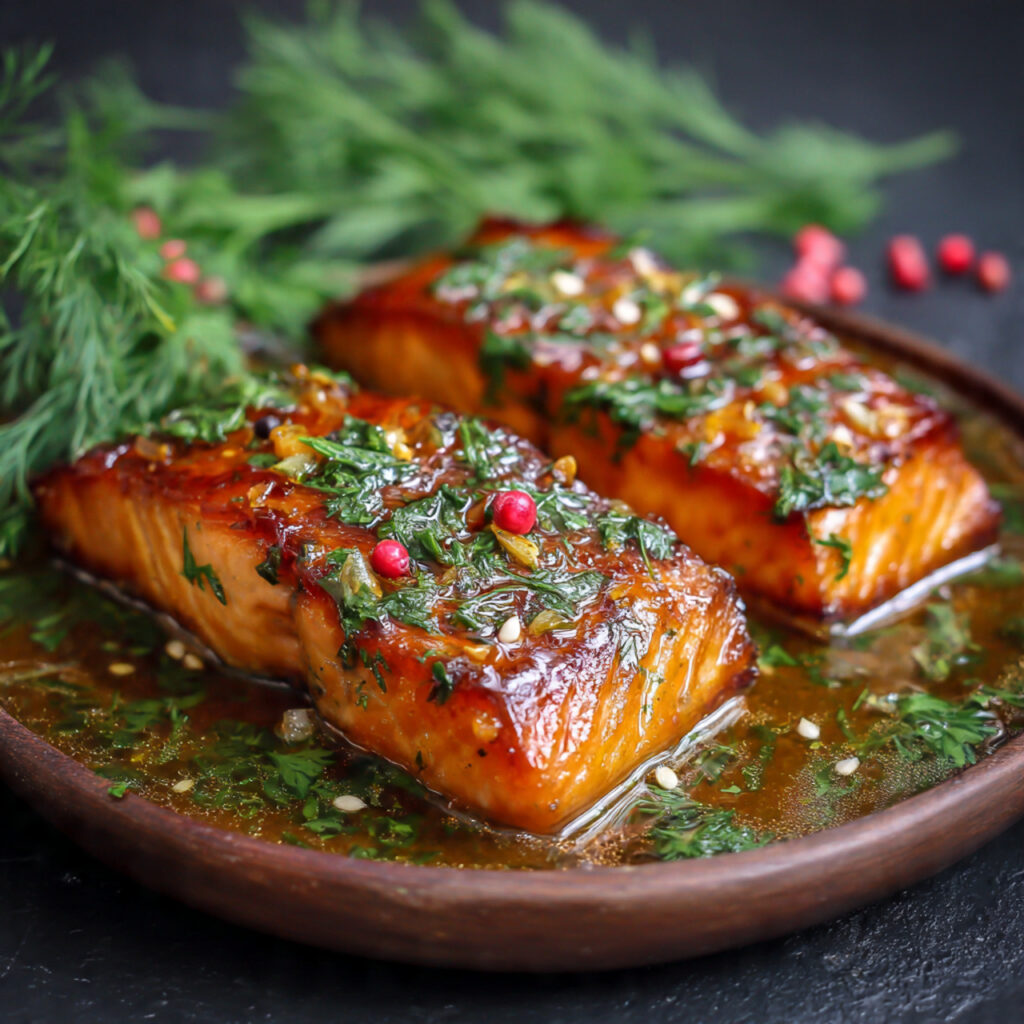
Frequently Asked Questions About Honey Glazed Salmon
Can I use frozen salmon for this recipe?
Absolutely! Frozen salmon often offers better value and can be just as high quality as fresh. The key is proper thawing technique. Never thaw salmon at room temperature or under hot water, as this degrades texture and creates food safety concerns.
The best method is overnight thawing in the refrigerator. Place the frozen salmon on a plate to catch any drips and allow 8-12 hours for complete thawing. In a rush, seal the salmon in a plastic bag and submerge in cold water, changing the water every 30 minutes. A pound of salmon thaws in 1-2 hours using this method.
Once thawed, pat the salmon very dry with paper towels—frozen fish releases more moisture than fresh. This extra drying step is crucial for achieving that beautiful caramelized crust on your honey glazed salmon.
How do I know when my salmon is perfectly cooked?
The most reliable method is using an instant-read thermometer. Insert it into the thickest part of the fillet, aiming for 125-130°F for medium, which I consider ideal for honey glazed salmon. The fish will be opaque around the edges with a translucent center.
Visual cues also help. Press the salmon gently with your finger—it should feel firm but still have some give, similar to pressing the fleshy part of your palm below your thumb. The flesh should flake easily when tested with a fork but still hold together.
If you notice white albumin (a harmless protein) seeping from the salmon, it indicates the fish is overcooked or was cooked at too high a temperature. While still safe to eat, this salmon will be drier than optimal.
Can I make this recipe with other types of fish?
The honey glaze works beautifully with other fatty fish that can handle bold flavors. Arctic char, steelhead trout, and black cod (sablefish) are excellent alternatives to salmon, offering similar richness and texture.
Adjust cooking times based on thickness rather than fish type. A 1-inch black cod fillet cooks in roughly the same time as salmon. Thinner fish like trout may need 1-2 minutes less per side.
Avoid using the glaze with delicate white fish like tilapia or sole. These mild fish have subtle flavors that get overwhelmed by the bold honey-soy combination, and their delicate texture can fall apart during cooking.
What can I substitute for honey if I’m avoiding sugar?
Pure maple syrup is the closest substitute, providing similar viscosity and caramelization properties. Use the same amount as honey called for in the recipe. The flavor will be slightly more complex with maple undertones, but the results are equally delicious.
Agave nectar works but creates a thinner glaze due to its higher water content. Reduce other liquids by 1 tablespoon if using agave, or simmer the glaze for an extra minute to thicken.
For truly sugar-free options, consider monk fruit sweetener or erythritol-based maple syrup substitutes. These won’t caramelize the same way, so you’ll miss some of that signature golden color, but the flavor profile remains pleasant.
Why is my glaze burning before my salmon finishes cooking?
This common problem usually stems from cooking temperature being too high. Honey contains simple sugars that caramelize quickly and burn easily above medium heat. Reduce your burner temperature to medium or even medium-low.
Another culprit might be applying glaze too early. Wait until after flipping the salmon to brush on your first layer of glaze. This gives the fish time to cook most of the way through before introducing the sugar-containing glaze.
If your glaze consistently burns despite proper heat management, it may be too thick or contain too much honey. Thin it with a tablespoon of water or increase the soy sauce ratio slightly for your next attempt.
Can I prepare honey glazed salmon in advance for meal prep?
Yes! This recipe is excellent for meal prep with some modifications. Cook the salmon to 120°F instead of 125°F since it will be reheated later. Slightly undercooking prevents dryness during the reheating process.
Store each fillet in an individual container with a tablespoon of extra glaze to keep the fish moist. When ready to eat, reheat using one of the gentle methods described in the storage section.
Alternatively, prepare the glaze up to 3 days in advance and store it in the refrigerator. Keep the salmon raw and refrigerated. When ready to cook, the process takes just 15 minutes from start to finish.
Is the skin edible, and should I remove it?
Salmon skin is completely edible and becomes delightfully crispy when cooked properly. It’s rich in omega-3 fatty acids and adds wonderful texture contrast to the tender flesh. Many restaurants serve salmon skin-on for this reason.
If you prefer to remove it, wait until after cooking. The skin protects the delicate flesh during cooking and helps the fillet hold together. Simply slide a spatula between the skin and flesh after cooking—it should separate easily.
For maximum crispiness, score the skin with a sharp knife before cooking. Make shallow diagonal cuts about an inch apart, cutting through the skin but not into the flesh. This prevents the skin from contracting and causing the fillet to curl.
Can I double the glaze for extra sauce?
Absolutely! Many people love having extra glaze to drizzle over rice or vegetables. The recipe doubles perfectly—just store the extra in the refrigerator for up to a week.
When making extra glaze, remember the food safety rule: never use glaze that touched raw fish as a finishing sauce unless you cook it first. Bring any such glaze to a boil for 1-2 minutes to kill potential bacteria.
For serving, warm extra glaze gently in a small saucepan or microwave just before plating. The glaze should be fluid and glossy, coating the back of a spoon but not thick like molasses.
What’s the best type of pan for making honey glazed salmon?
A heavy-bottomed 12-inch stainless steel or cast-iron skillet is ideal. These materials retain heat exceptionally well, ensuring proper searing despite the addition of cold fish. The larger size prevents crowding, which is essential for caramelization.
Cast iron distributes heat evenly and maintains temperature beautifully but requires more oil to prevent sticking. Season your pan well before use. Stainless steel develops better fond and allows you to see the salmon’s color more easily.
Non-stick pans work but are my least favorite option for this recipe. They prevent the formation of those flavorful browned bits and don’t get as hot as traditional materials, limiting caramelization potential.
How can I make this recipe less sweet?
The beauty of this recipe is its flexibility. To dial back the sweetness, reduce honey to 1/4 cup and increase soy sauce to 4 tablespoons. This creates a more savory profile while maintaining glaze consistency.
Add an extra tablespoon of lemon juice or rice vinegar for more acidity, which balances sweetness naturally. A teaspoon of Dijon mustard adds tangy depth without additional sugar.
For a sophisticated twist, use a 50/50 mix of honey and unsweetened apricot preserves. This maintains the glaze’s body while reducing overall sweetness and adding fruity complexity to your honey glazed salmon.
Health Benefits of Honey Glazed Salmon
Despite the sweet glaze, this dish remains a nutritional powerhouse. Salmon is one of nature’s most complete protein sources, providing all essential amino acids your body needs for cellular repair and muscle maintenance.
The omega-3 fatty acids in salmon—specifically EPA and DHA—support heart health, reduce inflammation, and promote brain function. Just one serving of this honey glazed salmon provides more than the weekly recommended amount of omega-3s.
Wild-caught salmon contains high amounts of astaxanthin, a powerful antioxidant that gives salmon its pink color. This compound has been linked to improved skin health, reduced oxidative stress, and enhanced eye health.
The honey in the glaze isn’t just for flavor. Raw honey contains trace amounts of vitamins, minerals, and antioxidants. While cooking reduces some of these benefits, honey remains a better choice than refined sugar.
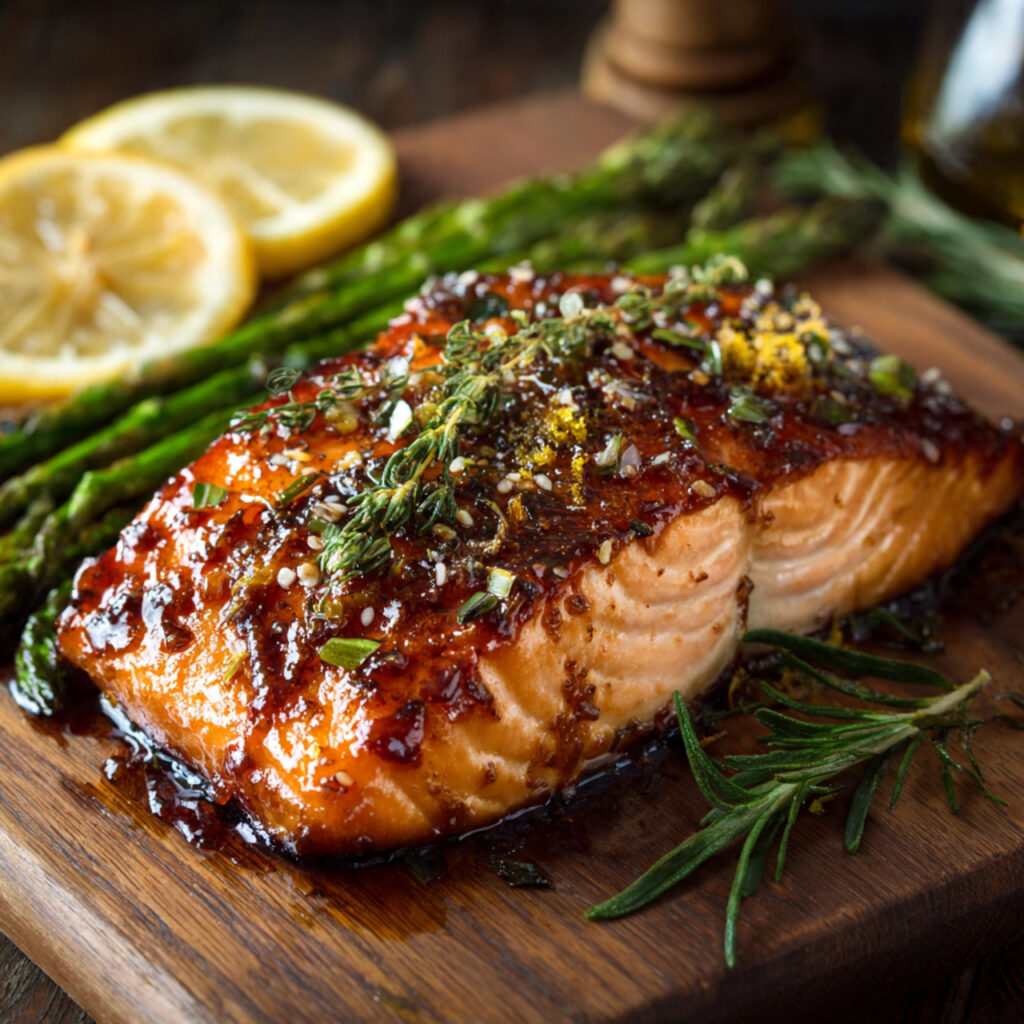
Making This Recipe Healthier
For a lighter version, reduce the honey to 3 tablespoons and increase lemon juice to 3 tablespoons. This cuts about 60 calories per serving while maintaining flavor complexity.
Use low-sodium soy sauce to reduce sodium content by approximately 300mg per serving. This modification is especially beneficial for those monitoring salt intake.
Skip the butter in the final step if watching saturated fat. The glaze will still be delicious, just slightly less rich. You can substitute with a teaspoon of olive oil for similar gloss without the dairy.
Pair your honey glazed salmon with fiber-rich sides like quinoa and roasted vegetables to create a balanced, nutritious meal that keeps you satisfied for hours.
Final Thoughts
Honey glazed salmon represents everything I love about home cooking: it’s quick enough for busy weeknights, elegant enough for entertaining, healthy enough to feel good about serving your family, and delicious enough that everyone asks for seconds.
The beauty of mastering this recipe extends beyond just one dish. Once you understand the technique of glazing fish with a sweet-savory sauce, you can apply this knowledge to pork chops, chicken thighs, and even tofu. The fundamental skills—proper searing, temperature control, and glaze application—translate across numerous recipes.
I encourage you to make this honey glazed salmon your own. Adjust the sweetness to match your preferences, experiment with different garnishes, or try various cooking methods. The recipe is forgiving enough to accommodate personal touches while being structured enough to guarantee success.
Whether you’re cooking for picky kids, health-conscious adults, or impressive dinner guests, this honey glazed salmon delivers every single time. The combination of flaky, moist fish and that glossy, caramelized glaze creates a harmony of flavors and textures that feels special without requiring special skills.
Give this recipe a try tonight.
Print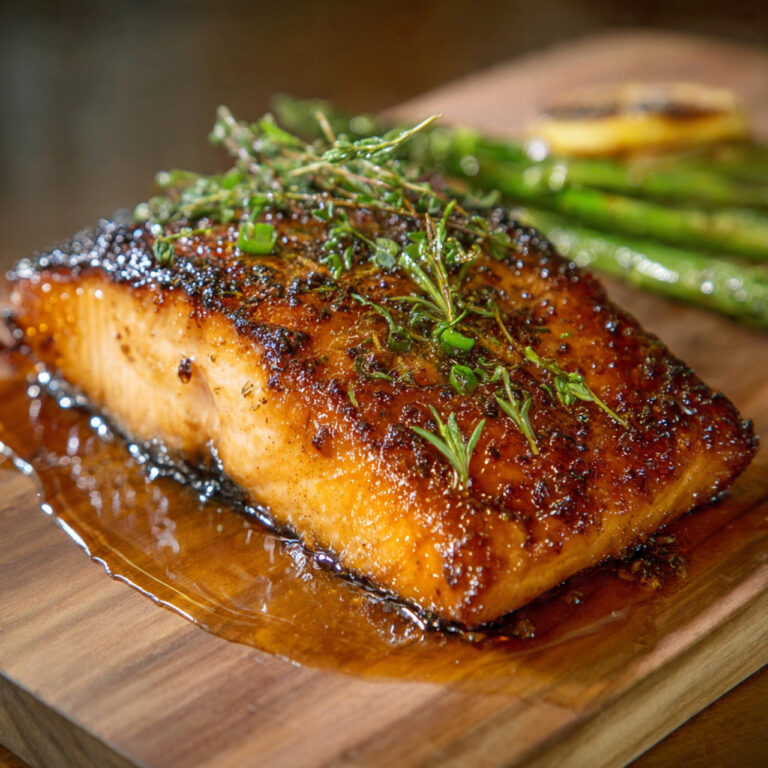
Incredible 15-Minute Honey Glazed Salmon (Easy & Delicious!)
This honey glazed salmon features tender, flaky fish coated in a sweet and savory glaze that caramelizes to perfection. Ready in just 15 minutes, this restaurant-quality dish combines honey, soy sauce, garlic, and ginger for an irresistible flavor that works for weeknight dinners or special occasions.
- Total Time: 18 minutes
- Yield: 4 servings
Ingredients
For the Salmon:
- 4 salmon fillets (6 ounces each, about 1 inch thick)
- 1 tablespoon olive oil or avocado oil
- 1/2 teaspoon salt
- 1/4 teaspoon black pepper
- 1/4 teaspoon garlic powder
For the Honey Glaze:
- 1/3 cup honey
- 3 tablespoons soy sauce (or tamari for gluten-free)
- 2 tablespoons fresh lemon juice
- 1 tablespoon rice vinegar
- 3 cloves garlic, minced
- 1 teaspoon fresh ginger, grated
- 1/4 teaspoon red pepper flakes (optional)
- 1 tablespoon butter
For Garnish:
- 2 tablespoons fresh parsley, chopped
- 1 tablespoon sesame seeds
- Lemon wedges
- Sliced green onions
Instructions
- Prepare the salmon: Remove salmon from refrigerator 15 minutes before cooking. Pat fillets completely dry with paper towels. Season both sides with salt, pepper, and garlic powder.
- Make the glaze: In a small bowl, whisk together honey, soy sauce, lemon juice, rice vinegar, minced garlic, grated ginger, and red pepper flakes until smooth. Set aside half for basting.
- Sear the salmon: Heat a large skillet over medium-high heat for 2 minutes. Add oil and swirl to coat. Place salmon fillets in pan and cook undisturbed for 4 minutes until golden brown.
- Flip and glaze: Carefully flip each fillet. Brush the cooked side generously with reserved glaze. Reduce heat to medium and cook for 3 minutes.
- Final glaze: Brush another layer of glaze over the salmon. Add butter to the pan and baste the salmon with the melted butter-glaze mixture. Cook for 1 more minute.
- Rest and serve: Remove from heat and let rest for 2 minutes. Transfer to plates, drizzle with pan sauce, and garnish with parsley, sesame seeds, and green onions. Serve with lemon wedges.
Notes
- Salmon temperature: Remove from heat at 125-130°F for perfectly moist fish. It will continue cooking during the rest period.
- Gluten-free option: Use tamari or coconut aminos instead of soy sauce.
- Thickness matters: Recipe is designed for 1-inch thick fillets. Adjust cooking time for thicker or thinner pieces.
- Skin-on salmon: If using skin-on fillets, start cooking skin-side up, then flip to skin-side down.
- Make ahead: Glaze can be prepared up to 3 days in advance and stored in the refrigerator.
- Storage: Refrigerate leftovers in an airtight container for up to 3-4 days.
- Prep Time: 10 minutes
- Cook Time: 8 minutes
- Category: Main Dishes
- Method: Pan-Seared, Stovetop
- Cuisine: American
- Diet: Gluten Free



1 Comment
[…] recipe also includes professional techniques usually reserved for commercial bakeries—like starting at a high temperature, using the right sugar ratio, and […]
Comments are closed.