
Peppermint Tea: The Ultimate Guide to Brewing Perfect, Refreshing Herbal Infusion


Introduction: The Timeless Comfort of Peppermint Tea
Peppermint tea is one of nature’s most versatile and beloved herbal infusions, offering a refreshing burst of cool menthol flavor paired with remarkable health benefits that have been recognized for thousands of years. Whether you’re seeking digestive relief, a caffeine-free alternative to coffee, a soothing remedy for a headache, or simply a delicious way to stay hydrated, peppermint tea delivers on every front with its naturally sweet, invigorating taste.
What makes peppermint tea particularly special is its simplicity combined with sophistication. At its most basic, it’s nothing more than peppermint leaves steeped in hot water. Yet the quality of those leaves, the temperature of your water, the steeping time, and even the vessel you use can transform a mediocre cup into an extraordinary experience. The difference between tea that tastes bland and watery versus one that’s vibrant, aromatic, and therapeutically effective comes down to understanding these crucial details.
Throughout my decades of exploring herbal remedies and perfecting tea-brewing techniques, I’ve discovered that most people dramatically underestimate the art of making peppermint tea. They assume it’s foolproof—just throw some leaves in hot water and wait. While peppermint is certainly forgiving, applying proper technique elevates it from a casual beverage to a genuinely restorative ritual that engages all your senses.
This comprehensive guide will teach you everything you need to know about peppermint tea—from selecting the best leaves to brewing the perfect cup, understanding its health benefits, and avoiding common mistakes that diminish its therapeutic properties. Whether you’re using fresh peppermint from your garden or quality dried leaves from a specialty shop, you’ll learn how to extract maximum flavor and benefits from every cup.
Understanding Peppermint Tea and Its Benefits
Before diving into the recipe, let’s explore what makes peppermint tea so remarkable. Peppermint (Mentha × piperita) is a hybrid mint that’s a cross between watermint and spearmint. It contains high concentrations of menthol, the compound responsible for its cooling sensation and many of its therapeutic properties.
Unlike true teas (black, green, white, oolong) which come from the Camellia sinensis plant and contain caffeine, peppermint tea is technically a tisane or herbal infusion. This means it’s naturally caffeine-free, making it perfect for evening consumption or for those sensitive to stimulants. It’s also naturally sweet, requiring no added sweeteners for many people, though honey complements it beautifully.
The health benefits of peppermint tea are extensive and well-documented. It’s renowned for relieving digestive issues including bloating, gas, and indigestion by relaxing the muscles in the digestive tract. The menthol content acts as a natural decongestant and can help clear sinuses and ease respiratory conditions. Many people find it effective for tension headaches and migraines. It’s also been shown to improve focus and concentration, reduce stress, and even help with menstrual cramps.
The aroma alone provides benefits—studies show that simply smelling peppermint can boost mood, increase alertness, and reduce feelings of frustration. When you brew a proper cup of peppermint tea, you’re creating an aromatherapy experience as much as a beverage.
Essential Ingredients for Perfect Peppermint Tea
Primary Ingredients
Fresh Peppermint Leaves (¼ cup loosely packed or about 10-12 leaves) OR Dried Peppermint Leaves (1-2 teaspoons): Fresh peppermint produces a brighter, more vibrant flavor with grassy, green notes alongside the mint. Dried peppermint offers more concentrated, focused mint flavor that’s slightly earthier. Both are excellent—the choice depends on availability and personal preference.
If growing your own or buying fresh, look for leaves that are vibrant green without brown spots or wilting. The stems contain flavor too, so don’t discard them. Smell the leaves—they should be intensely aromatic. Peppermint is one of the easiest herbs to grow and thrives in containers, making fresh leaves accessible even to apartment dwellers.
For dried peppermint, quality matters enormously. Purchase from reputable tea shops or herbal suppliers rather than grabbing whatever’s cheapest at the grocery store. Dried leaves should still be vibrant green (not brownish), and when crushed should release a powerful aroma. Store dried peppermint in an airtight container away from light and heat.
Filtered Water (8 ounces or 240ml per cup): Water quality directly affects tea flavor. If your tap water tastes of chlorine or minerals, your tea will too. Use filtered or spring water for the best results. The amount can be adjusted based on how many cups you’re making.
Optional Flavor Enhancers and Additions
Raw Honey (1 teaspoon to 1 tablespoon): Honey adds sweetness and has its own therapeutic properties. It’s particularly soothing for sore throats. Raw, unfiltered honey provides the most benefits and complex flavor. Add it after steeping when the tea has cooled slightly—temperatures above 140°F can destroy honey’s beneficial enzymes.
Fresh Lemon Juice (1-2 teaspoons) or Lemon Slice: Lemon brightens the peppermint flavor and adds vitamin C. The acidity also helps extract more beneficial compounds from the leaves. A slice floating in your cup makes for beautiful presentation.
Fresh Ginger Root (½-inch piece, sliced or grated): Ginger combines beautifully with peppermint and adds warming spice along with additional digestive benefits. This combination is particularly effective for nausea or upset stomach.
Chamomile Flowers (½ teaspoon dried): For a more calming blend, add chamomile. The combination of peppermint and chamomile is wonderfully soothing before bedtime.
Licorice Root (small piece): Adds natural sweetness and depth of flavor. Licorice root complements peppermint’s cooling qualities with warming, earthy notes.
Cinnamon Stick (1 small stick): During colder months, a cinnamon stick adds warming spice and makes your tea feel more festive.
Fresh Spearmint Leaves (a few leaves): Combining peppermint with its cousin spearmint creates a more complex mint profile that’s slightly sweeter and less intensely mentholated.
Step-by-Step Instructions for Brewing Perfect Peppermint Tea
Step 1: Gather and Prepare Your Ingredients
If using fresh peppermint, harvest or purchase it just before brewing for maximum potency. Rinse the leaves gently under cool water to remove any dirt or debris. Pat them dry with a clean towel or let them air dry for a few minutes. Don’t dry them completely—a little moisture is fine.
If using dried peppermint, measure your tea into a small bowl and crush the leaves lightly between your fingers. This releases the essential oils and enhances flavor extraction. You should immediately smell the menthol aroma intensify.
Step 2: Heat Your Water to the Proper Temperature
This is where most people go wrong. Boiling water (212°F/100°C) can scorch delicate peppermint leaves, resulting in a bitter, harsh flavor that masks the tea’s natural sweetness. The ideal temperature for peppermint tea is between 200-208°F (93-98°C).
Bring your water to a full boil, then remove it from heat and let it sit for 30-60 seconds before pouring. If you have an electric kettle with temperature control, set it to 200°F. This slightly cooler water extracts the pleasant, aromatic compounds while minimizing the bitter ones.
Step 3: Prepare Your Leaves for Steeping
For fresh peppermint: Gently bruise or tear the leaves with your fingers. This breaks the cell walls and allows better flavor extraction. Don’t pulverize them—you want to damage them just enough to release oils. The aroma should intensify noticeably.
Place the prepared leaves in your teapot, French press, or directly in your mug if you’ll be straining them out later. For a single cup, use approximately 10-12 fresh leaves or ¼ cup loosely packed. For dried leaves, use 1-2 teaspoons depending on desired strength.
If adding complementary ingredients like ginger, lemon, or other herbs, add them now so everything steeps together.
Step 4: Pour and Steep with Precision
Pour your properly heated water directly over the peppermint leaves. Watch as the water turns a pale green and the aroma fills the air. Cover your vessel with a lid or small plate—this is crucial. Covering traps the volatile essential oils (particularly menthol) that would otherwise escape with the steam. These oils contain much of the flavor and therapeutic benefit.
Steep for exactly 5-7 minutes. This is the sweet spot for peppermint tea:
- Less than 5 minutes: Weak, watery flavor with minimal benefits
- 5-7 minutes: Perfect balance of flavor, aroma, and therapeutic compounds
- More than 10 minutes: Increasingly bitter with grassy, hay-like notes
Set a timer rather than guessing. Fresh peppermint can handle slightly longer steeping (up to 8 minutes) without becoming as bitter as dried.
Step 5: Strain and Serve
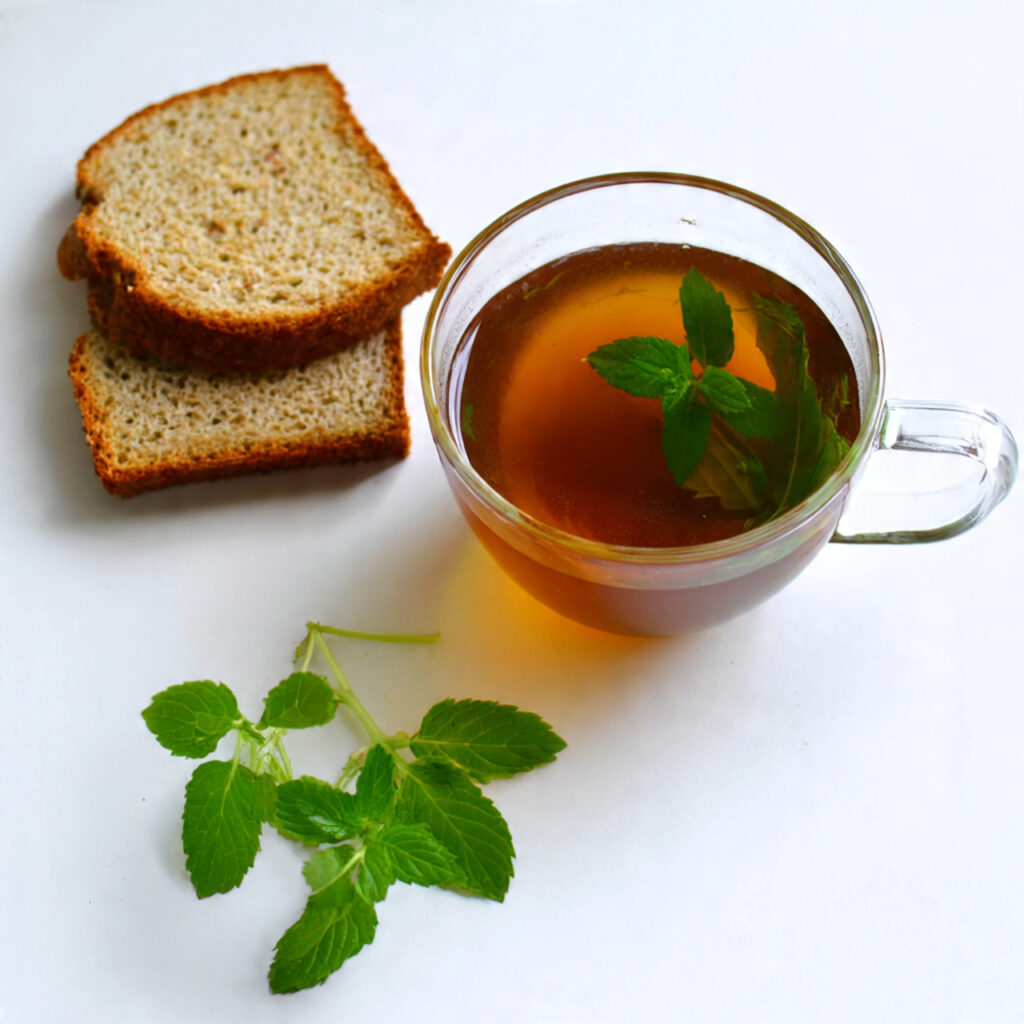
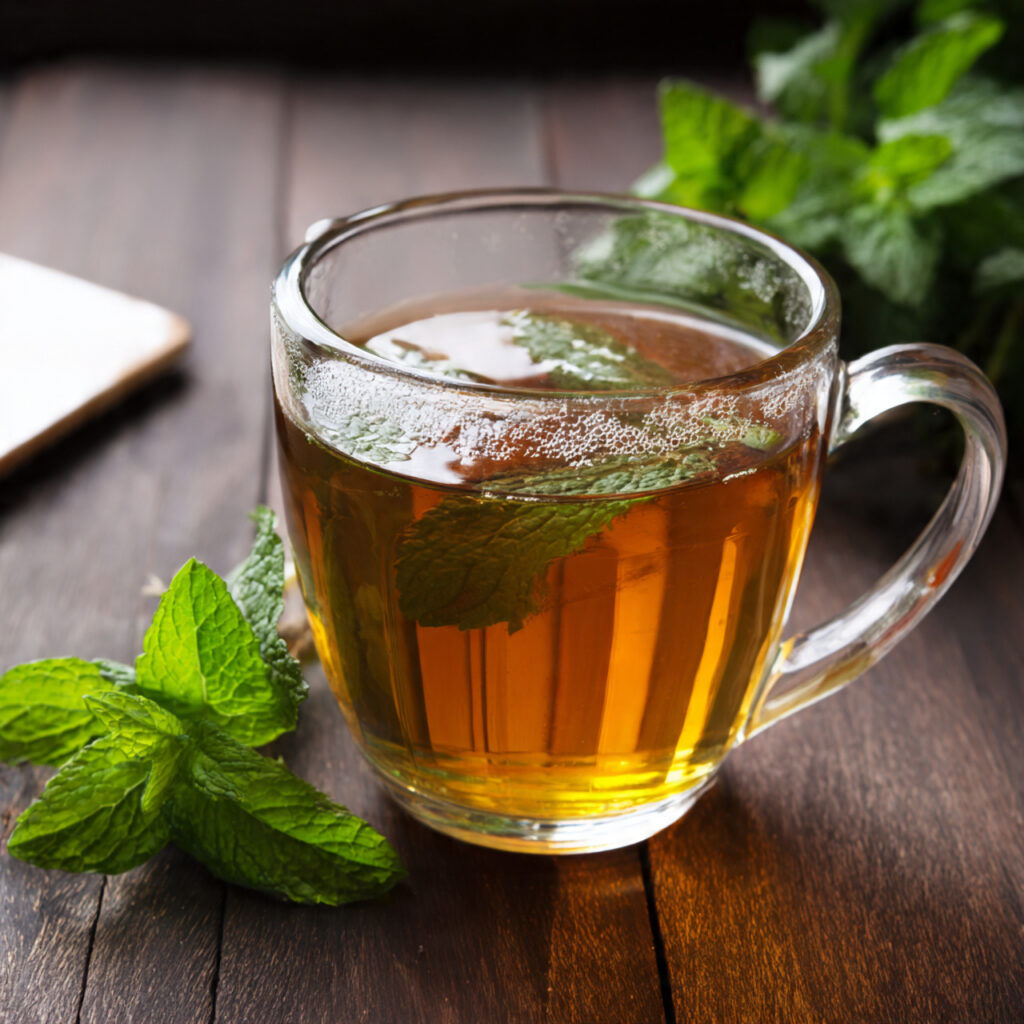
Remove the leaves or strain your tea. For loose leaves in a mug, use a fine-mesh strainer. Pour into your favorite cup or mug—clear glass showcases the beautiful pale green color.
This is the moment to add honey if desired. Stir gently until dissolved. Add lemon juice or place a lemon slice in the cup. The tea should be aromatic enough that you smell it before you taste it.
Step 6: Enjoy Mindfully
Peppermint tea is best enjoyed slowly. Take a moment to inhale the aroma deeply—this activates the aromatherapy benefits. Sip slowly, letting the tea coat your mouth and throat. Notice the cooling sensation from the menthol.
The ideal drinking temperature is between 130-160°F—hot enough to be comforting but not so hot that you burn your tongue or have to wait ages to drink it.
Pro Tips for Exceptional Peppermint Tea
Grow Your Own Peppermint: Peppermint is incredibly easy to grow and thrives in containers. A single plant will provide more than enough leaves for regular tea drinking. Harvest in the morning after the dew has dried but before the afternoon sun has diminished the essential oil content. Peppermint is so vigorous it can become invasive in garden beds, so container growing is often ideal.
Use a Covered Vessel: Whether steeping in a teapot, French press, or mug, always cover during steeping. Those aromatic steam clouds contain the essential oils that make peppermint tea effective. A proper lidded teapot is worth investing in if you drink tea regularly.
Try Cold Steeping for Iced Peppermint Tea: Place peppermint leaves in cold water and refrigerate for 6-8 hours or overnight. This creates a smoother, naturally sweet peppermint tea with no bitterness. It’s incredibly refreshing and perfect for summer. Use about double the amount of leaves for cold steeping.
Layer Fresh and Dried: For the most complex flavor, use a combination of fresh and dried peppermint. The fresh provides brightness and vibrancy, while the dried contributes concentrated mint punch. Use half the amount of each that you would use of either alone.
Match Your Tea to Your Need: For digestive relief, drink peppermint tea 30 minutes before or after meals. For better sleep, drink it 1 hour before bed (the relaxation benefits help, though for some people the alertness boost is too stimulating before sleep—know your own response). For congestion relief, lean over the steaming cup and inhale deeply before drinking.
Save and Dry Your Own Leaves: If you have access to fresh peppermint, harvest bunches, tie the stems together, and hang them upside down in a dry, dark place for 1-2 weeks. Once completely dry, strip the leaves and store in airtight containers. Homegrown and dried peppermint is superior to most commercial options.
Adjust Strength to Tolerance: Some people find full-strength peppermint tea too intense, especially when drinking it medicinally multiple times per day. Start with less and gradually increase until you find your perfect strength. There’s no shame in a lighter brew.
Pre-Warm Your Cup: Pour hot water into your teacup, swirl it around, then discard before adding your tea. This pre-warming prevents your tea from cooling too quickly and maintains optimal drinking temperature longer.
Create a Peppermint Tea Concentrate: Brew a very strong batch using 4 times the normal amount of leaves. Strain and refrigerate. Add a splash of this concentrate to hot water for instant peppermint tea, or to cold water or sparkling water for refreshing iced mint tea.
Combine with Green Tea for Gentle Caffeine: If you want a mild caffeine boost with your peppermint, use half peppermint leaves and half green tea. The peppermint complements green tea’s grassy notes beautifully and can help offset any bitterness.
Compost Your Used Leaves: Don’t throw those spent peppermint leaves in the trash. They’re excellent for compost or can be scattered in your garden where they’ll help repel certain pests.
Experiment with Moroccan Mint Tea Style: The traditional Moroccan preparation uses Chinese gunpowder green tea, fresh peppermint, and generous sugar. While not purely peppermint tea, it’s a delicious variation worth trying. The tea is poured from a height to create foam.
Common Mistakes to Avoid When Making Peppermint Tea
Using Boiling Water Directly: Pouring water at a full rolling boil over delicate peppermint leaves extracts bitter compounds and can scorch the leaves. Always let boiling water cool for 30-60 seconds first. This single adjustment dramatically improves flavor.
Steeping Without Covering: Leaving your tea uncovered while steeping allows the essential oils—particularly menthol—to escape with the steam. These oils contain much of the therapeutic benefit and aromatic appeal. Always cover your vessel during steeping.
Steeping Too Long: More is not better when it comes to steeping time. Beyond 7-10 minutes, peppermint tea becomes increasingly bitter and develops unpleasant hay-like or grass-like flavors. The optimal window is 5-7 minutes for most preferences.
Using Old or Improperly Stored Dried Peppermint: Dried herbs lose potency over time, especially when exposed to light, air, and heat. If your dried peppermint doesn’t smell strongly aromatic, it’s past its prime. Dried peppermint should be used within 1 year and stored in airtight containers in a cool, dark place.
Using Too Little Peppermint: Timidity leads to bland, watery tea that provides neither satisfying flavor nor therapeutic benefits. Don’t be afraid to use a generous amount of leaves. You can always dilute too-strong tea with hot water, but you can’t strengthen weak tea after steeping.
Not Bruising Fresh Leaves: Fresh peppermint leaves have their essential oils locked inside intact cell walls. Simply dropping whole, unbroken leaves into water results in weak flavor extraction. Always tear or gently bruise fresh leaves before steeping.
Adding Honey to Boiling Tea: Temperatures above 140°F (60°C) destroy many of honey’s beneficial enzymes and compounds. If you’re adding honey, let your tea cool slightly first. Better yet, add honey to warm (not hot) tea for maximum health benefits.
Using Low-Quality Water: If your tap water tastes of chlorine, minerals, or other off-flavors, these will come through in your tea. Peppermint tea is delicate enough that water quality makes a noticeable difference. Use filtered or spring water.
Drinking Only Hot Peppermint Tea: Many people never think to make iced peppermint tea, but it’s incredibly refreshing and perfect for warm weather. Don’t limit yourself to hot preparations—cold-brewed peppermint tea is wonderful.
Storing Brewed Tea Too Long: Unlike some teas that can be reheated, peppermint tea is best fresh. The flavor deteriorates rapidly once brewed. If you must store it, refrigerate in an airtight container and consume within 24 hours. The color will darken and the flavor will flatten considerably.
Storage and Serving Suggestions for Peppermint Tea
Storing Fresh Peppermint
Short-Term (3-5 days): Treat fresh peppermint like fresh herbs. Trim the stems, place in a jar with an inch of water (like a bouquet), cover loosely with a plastic bag, and refrigerate. Change the water daily.
Long-Term: Dry your peppermint by hanging bundles in a dark, dry place, or by spreading leaves on screens or dehydrator trays. Once completely dry and crispy, store in airtight glass jars away from light and heat. Properly dried and stored peppermint maintains potency for up to one year.
Freezing: You can freeze fresh peppermint leaves. Wash and dry them thoroughly, then freeze in a single layer on a baking sheet. Once frozen, transfer to freezer bags. Frozen leaves work beautifully for tea and maintain their properties for 4-6 months.
Storing Dried Peppermint and Brewed Tea
Dried Leaves: Store in airtight containers (glass is ideal) in a cool, dark cupboard. Avoid storing above the stove or in sunny windows. Properly stored dried peppermint lasts 6-12 months before noticeably losing potency.
Brewed Tea: Peppermint tea is best consumed immediately after brewing. If you must store it, let it cool completely, transfer to an airtight container, and refrigerate for up to 24 hours. The flavor will be noticeably diminished. Reheat gently or drink cold.
Tea Concentrate: Strong peppermint concentrate (made with 4x the normal leaves) can be refrigerated for up to one week. Dilute with hot or cold water as needed.
Serving Suggestions and Variations
Classic Hot Peppermint Tea: Serve in your favorite mug with optional honey and lemon. This is perfect for after meals, during illness, or anytime you want a soothing, warming beverage.
Iced Peppermint Tea: Brew double-strength tea, let cool, then pour over ice. Garnish with fresh mint sprigs and lemon slices. Add a touch of honey or agave if desired. This is incredibly refreshing on hot days.
Peppermint Tea Latte: Brew strong peppermint tea, then add steamed milk (dairy or non-dairy) for a creamy, comforting drink. A touch of vanilla extract is lovely here.
Moroccan-Style Mint Tea: Combine green tea with fresh peppermint and sugar, serving it in decorative glasses. This is traditionally poured from a height to create foam and is served very sweet.
Peppermint Tea Cocktail: Brew strong peppermint tea and chill. Use as a base for mojitos or add to gin or vodka with fresh lime for a refreshing adult beverage.
Digestive After-Dinner Tea: Serve peppermint tea 20-30 minutes after a heavy meal to aid digestion. You can combine it with fennel seeds or fresh ginger for extra digestive support.
Morning Energizer: Combine peppermint tea with a shot of espresso for a minty coffee alternative that’s both energizing and refreshing.
Bedtime Soother: Blend peppermint with chamomile and a touch of honey for a calming evening tea. Note that some people find peppermint too stimulating before bed—know your own response.
Cold and Flu Relief: When sick, brew peppermint tea with fresh ginger, lemon juice, and honey. Inhale the steam deeply before drinking. The menthol helps clear congestion while the warmth soothes the throat.
Peppermint Tea Ice Cubes: Freeze brewed peppermint tea in ice cube trays. Add these to water, lemonade, or cocktails for a subtle mint flavor as they melt.
Frequently Asked Questions About Peppermint Tea
Is peppermint tea safe to drink every day?
Yes, peppermint tea is generally safe for daily consumption for most people. It’s caffeine-free and non-addictive. However, people with GERD (gastroesophageal reflux disease) should use caution, as peppermint can relax the lower esophageal sphincter and potentially worsen reflux symptoms. Pregnant women should consult their healthcare provider, though moderate consumption is usually fine. Some people experience allergic reactions to peppermint—if you notice any adverse effects, discontinue use.
Can peppermint tea help with weight loss?
Peppermint tea can support weight loss efforts in several ways, though it’s not a magic solution. It’s naturally calorie-free, can help reduce appetite, aids digestion, and may help reduce stress eating due to its calming properties. Some studies suggest the aroma of peppermint may reduce food cravings. However, it works best as part of a comprehensive healthy lifestyle including proper diet and exercise.
What’s the difference between peppermint tea and spearmint tea?
Peppermint contains significantly more menthol (40-50%) compared to spearmint (0.5-1%), making peppermint much more intensely cooling and slightly more medicinal. Peppermint is better for digestive issues, headaches, and congestion. Spearmint has a sweeter, milder flavor and is better for culinary uses and gentle relaxation. Both are delicious and beneficial—the choice is often a matter of personal preference.
Can I reuse peppermint leaves for a second steeping?
Fresh peppermint leaves can sometimes produce a decent second steep, though it will be noticeably weaker. Add a few fresh leaves to the used ones, increase steeping time to 8-10 minutes, and use slightly hotter water. Dried peppermint typically doesn’t resteep well—most of the flavor and beneficial compounds are extracted in the first steep.
Does peppermint tea actually help with digestion?
Yes, this is one of peppermint tea’s most well-researched benefits. The menthol in peppermint acts as a natural antispasmodic, relaxing the muscles in the digestive tract and helping to relieve gas, bloating, and indigestion. Studies have shown peppermint oil to be effective for IBS symptoms, and while peppermint tea is less concentrated than oil, it still provides significant digestive benefits. Drink it 20-30 minutes before or after meals for best results.
Can children drink peppermint tea?
Peppermint tea is generally safe for children over age 5 in moderation. Make it weaker than you would for adults (half the leaves or steeping time), and consider adding honey for palatability. However, peppermint should not be given to infants or very young children, as menthol can cause breathing difficulties in small children. Always consult your pediatrician before giving herbal teas to young children.
Why does my peppermint tea taste bitter?
Bitterness in peppermint tea usually results from steeping too long, using water that’s too hot, or using old leaves that have oxidized. Follow the proper steeping time (5-7 minutes), let boiling water cool for 30-60 seconds before pouring, and ensure your dried peppermint is fresh and aromatic. If using fresh leaves, make sure they’re fresh and vibrant, not wilted or browning.
Can I drink peppermint tea while pregnant or breastfeeding?
Moderate consumption of peppermint tea (1-2 cups daily) is generally considered safe during pregnancy and breastfeeding, though you should always consult your healthcare provider. Some sources suggest avoiding it in the first trimester or if you have a history of miscarriage, as large amounts of peppermint may stimulate menstruation. During breastfeeding, excessive peppermint consumption may reduce milk supply in some women.
Does peppermint tea help you sleep or keep you awake?
This varies by individual. Peppermint tea is caffeine-free and has relaxing properties that help many people sleep. However, some people find the menthol stimulating or the digestive effects energizing. The aroma can also increase alertness. Experiment to see how it affects you personally. If it seems stimulating, avoid it within 3 hours of bedtime. If it’s relaxing, enjoy it as a evening ritual.
How long does dried peppermint tea last?
Properly stored dried peppermint (in an airtight container, away from light and heat) maintains good quality for 6-12 months. After that, it’s still safe to drink but will have significantly diminished flavor and potency. If your dried peppermint doesn’t smell strongly when crushed, it’s past its prime and should be replaced. Tea bags typically have a shorter shelf life (6 months) than loose leaf.
Final Thoughts on Peppermint Tea
There’s something profoundly satisfying about brewing a perfect cup of peppermint tea. In a world of complex coffee drinks and elaborate beverage preparations, peppermint tea offers refreshing simplicity—just leaves and water, yet capable of delivering both sensory pleasure and genuine therapeutic benefits.
What I appreciate most about peppermint tea is its versatility. It’s equally at home as a morning wake-up alternative to coffee, an after-dinner digestive aid, a midday refresher, or an evening relaxation ritual. It transitions seamlessly from hot to iced, from simple to elaborate, from everyday beverage to special occasion offering. Few drinks are so adaptable while maintaining their essential character.
The ritual of making peppermint tea itself has value beyond the resulting beverage. There’s mindfulness in heating the water to just the right temperature, in crushing fresh leaves and releasing their aroma, in waiting patiently while flavors infuse, in that first deeply inhaled breath of menthol-rich steam. These small acts of attention and care create moments of pause in busy days.
I encourage you to experiment beyond this basic recipe. Try growing your own peppermint and discovering how freshly harvested leaves taste different throughout the growing season. Explore peppermint’s partnerships with other herbs—ginger for digestion, chamomile for relaxation, lemon verbena for brightness. Create your own signature blend that addresses your specific needs and preferences.
Most importantly, pay attention to how peppermint tea makes you feel. Notice whether it helps your digestion, clears your mind, soothes your stress, or simply provides a pleasant sensory experience. This awareness transforms tea drinking from a casual habit into a intentional form of self-care.
Whether you’re drawn to peppermint tea for its health benefits, its refreshing flavor, or simply because you enjoy the ritual of tea drinking, I hope this guide has given you the knowledge and confidence to brew exceptional cups consistently. The difference between mediocre and magnificent peppermint tea is simply understanding and applying these fundamental principles.
So fill your kettle, crush those peppermint leaves, and prepare to experience this ancient, beloved herbal infusion at its very best. Your perfect cup of peppermint tea is just a few mindful minutes away.
Happy brewing!
Print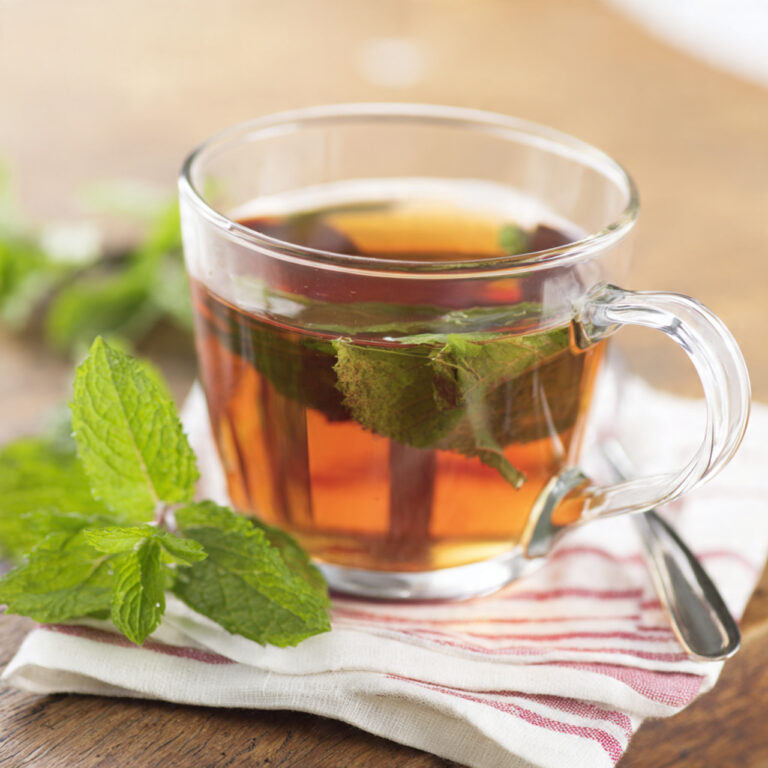
Peppermint Tea: The Ultimate Guide to Brewing Perfect, Refreshing Herbal Infusion
This refreshing peppermint tea recipe shows you how to brew the perfect cup using fresh or dried leaves. Naturally caffeine-free, soothing, and packed with health benefits, it’s ideal for digestion, relaxation, or simply enjoying a delicious herbal infusion. Learn the proper water temperature, steeping time, and techniques for maximum flavor and therapeutic benefits.
- Total Time: 9 minutes
- Yield: 1 cup (8 oz)
Ingredients
Basic Peppermint Tea:
- ¼ cup loosely packed fresh peppermint leaves (10-12 leaves) OR 1-2 teaspoons dried peppermint leaves
- 8 ounces (240ml) filtered water, heated to 200-208°F
Optional Additions:
- 1 teaspoon to 1 tablespoon raw honey
- 1-2 teaspoons fresh lemon juice or 1 lemon slice
- ½-inch piece fresh ginger root, sliced (for digestive support)
- ½ teaspoon dried chamomile flowers (for relaxation)
- 1 small cinnamon stick (for warming spice)
Instructions
- Prepare Leaves: If using fresh peppermint, rinse leaves and gently tear or bruise them with your fingers to release oils. If using dried, lightly crush between fingers.
- Heat Water: Bring water to a boil, then remove from heat and let cool for 30-60 seconds to reach 200-208°F. Do not use boiling water directly.
- Add Leaves to Vessel: Place peppermint leaves in a teapot, French press, or directly in your mug. Add any optional ingredients now.
- Pour and Cover: Pour the heated water over the leaves. Immediately cover with a lid or small plate to trap essential oils.
- Steep: Let steep for exactly 5-7 minutes. Set a timer for precision. Fresh leaves can go up to 8 minutes; dried should not exceed 7 minutes.
- Strain: Remove leaves or strain tea through a fine-mesh strainer into your cup.
- Add Honey/Lemon: If desired, add honey and lemon after tea has cooled slightly (below 140°F to preserve honey’s benefits).
- Enjoy: Inhale the aroma deeply, then sip slowly while hot. Ideal drinking temperature is 130-160°F.
Notes
- Always cover while steeping to preserve essential oils
- Fresh peppermint provides brighter flavor; dried offers more concentrated mint
- Can be enjoyed hot or cold-brewed (6-8 hours in refrigerator)
- Tea is best consumed immediately; quality deteriorates rapidly once brewed
- Use 1 tablespoon fresh leaves per 8 oz for stronger tea
- Safe for daily consumption for most people; consult doctor if pregnant or have GERD
- Leaves can sometimes be resteeped once, though flavor will be weaker
- Prep Time: 2 minutes
- Cook Time: 7 minutes (steeping time)
- Category: Breakfasts
- Method: Steeping/Infusion
- Cuisine: International, Herbal
- Diet: Vegan