
Slow Cooker Garlic Butter Beef with Potatoes: The Ultimate Comfort Food Recipe


Introduction
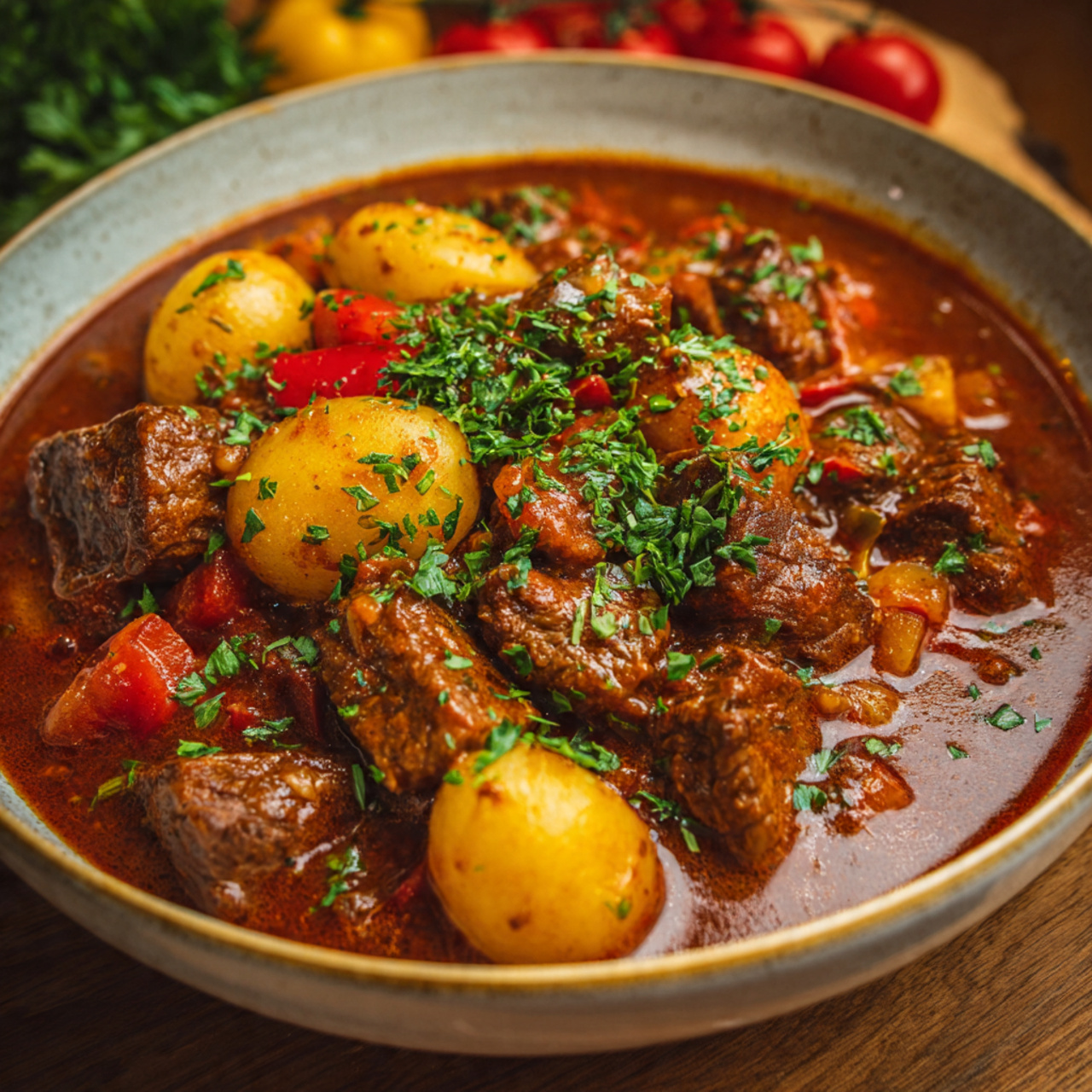
Slow Cooker Garlic Butter Beef with Potatoes is the kind of meal that transforms ordinary weeknights into something extraordinary without demanding hours of your time in the kitchen. This recipe combines succulent chunks of beef with golden potatoes, all bathed in a luxurious garlic butter sauce that develops deep, complex flavors as it simmers away while you go about your day. The beauty of this dish lies not just in its incredible taste, but in its remarkable simplicity—you spend just fifteen minutes prepping in the morning, and by dinnertime, your home smells like a five-star steakhouse while a complete, satisfying meal waits for you.
What makes this slow cooker garlic butter beef truly special is the way the long, gentle cooking process transforms tougher cuts of beef into fork-tender morsels that practically melt in your mouth. The potatoes absorb all those gorgeous flavors from the garlic-infused butter and beef juices, creating a side dish that might just steal the show. Whether you’re feeding a hungry family on a busy Tuesday or looking for an impressive yet effortless dish for weekend guests, this recipe delivers restaurant-quality results with minimal effort.
The combination of garlic and butter is timeless for good reason—it enhances the natural richness of beef while adding aromatic depth that makes every bite memorable. As the ingredients mingle together over several hours, something magical happens: the garlic mellows and sweetens, the butter emulsifies with the beef’s natural juices to create a silky sauce, and the potatoes develop crispy edges where they touch the slow cooker walls while staying fluffy inside. This is comfort food at its absolute finest, the kind of meal that brings everyone to the table with genuine enthusiasm.
Why You’ll Love This Recipe
This slow cooker beef recipe checks every box for busy home cooks who refuse to compromise on flavor. First, it’s incredibly forgiving—the low-and-slow cooking method means you don’t need to worry about precise timing or constant monitoring. Second, it requires just one pot, which means minimal cleanup after dinner (and who doesn’t love that?). Third, the ingredients are straightforward and readily available at any grocery store, with no exotic components or specialty items required.
The versatility of this dish deserves special mention. While it’s perfect as written, you can easily adapt it to your family’s preferences by adding vegetables like carrots or green beans, adjusting the garlic intensity, or incorporating fresh herbs. It’s naturally gluten-free and can be made dairy-free with simple substitutions. Plus, it scales beautifully whether you’re cooking for two or ten, making it ideal for meal prep, potlucks, or Sunday dinners with the extended family.

Ingredients You’ll Need
For the Beef and Potatoes
- 2.5 to 3 pounds chuck roast or beef stew meat, cut into 2-inch chunks
- 2 pounds baby potatoes or Yukon Gold potatoes, halved if large
- 6 tablespoons unsalted butter, divided
- 8 cloves fresh garlic, minced (don’t skimp on this!)
- 1 cup beef broth, low-sodium preferred
- 2 tablespoons Worcestershire sauce
- 1 tablespoon Dijon mustard
- 2 teaspoons fresh thyme leaves (or 1 teaspoon dried)
- 1 teaspoon fresh rosemary, finely chopped (or ½ teaspoon dried)
- 1 teaspoon smoked paprika
- 1 teaspoon onion powder
- 1 teaspoon kosher salt, plus more to taste
- ½ teaspoon freshly ground black pepper
- ¼ teaspoon red pepper flakes (optional, for subtle heat)
- 2 tablespoons all-purpose flour (for thickening)
- 3 tablespoons fresh parsley, chopped (for garnish)
- 2 tablespoons olive oil (for searing, if desired)
Optional Add-Ins for Extra Flavor
- 1 medium yellow onion, cut into wedges
- 4 ounces mushrooms, quartered
- 2 large carrots, cut into chunks
- ½ cup dry red wine (can substitute with additional beef broth)
- 2 bay leaves
- 1 teaspoon balsamic vinegar (for finishing)
Kitchen Equipment Needed
- 6-quart slow cooker (minimum)
- Large skillet (optional, for searing)
- Sharp chef’s knife
- Cutting board
- Measuring cups and spoons
- Small bowl for mixing
- Wooden spoon or silicone spatula
- Tongs for handling meat
Step-by-Step Instructions
Step 1: Prepare Your Ingredients
Start by patting the beef chunks completely dry with paper towels—this is crucial for developing good flavor whether you’re searing or not. Season the beef generously on all sides with salt, pepper, and half of the smoked paprika. If your potatoes are larger than bite-sized, cut them in half or quarters to ensure even cooking. Mince your garlic cloves finely, or use a garlic press if you prefer. Having everything prepped and ready before you start cooking makes the process smooth and stress-free.
Step 2: Optional Searing for Extra Depth (Highly Recommended)
While technically optional, searing the beef before slow cooking adds a magnificent depth of flavor through caramelization. Heat one tablespoon of olive oil in a large skillet over medium-high heat until it shimmers. Working in batches to avoid crowding, sear the beef chunks for about two minutes per side until they develop a rich, golden-brown crust. You’re not cooking the meat through—just creating that flavorful exterior. Transfer the seared beef to your slow cooker. If desired, deglaze the pan with a splash of beef broth, scraping up all those delicious browned bits, and pour this liquid into the slow cooker as well.
Step 3: Create the Garlic Butter Base
In the same skillet (or a small saucepan if you skipped searing), melt four tablespoons of butter over medium heat. Add the minced garlic and cook for about one minute, stirring constantly, until fragrant but not browned—burned garlic tastes bitter, so watch it carefully. The garlic should sizzle gently and perfume your entire kitchen. Add the thyme, rosemary, onion powder, and remaining smoked paprika, stirring to combine. Cook for another thirty seconds to wake up those dried herbs and spices.
Step 4: Build the Sauce
Pour the beef broth into the garlic butter mixture, then add the Worcestershire sauce and Dijon mustard. Whisk everything together until well combined. The mustard might seem like an unusual addition, but it adds subtle tanginess and helps emulsify the sauce. Bring this mixture to a simmer, then remove from heat. This is your flavor foundation, and it’s going to infuse everything in that slow cooker with incredible taste.
Step 5: Assemble in the Slow Cooker
Arrange the beef chunks in an even layer at the bottom of your slow cooker. If you’re adding onions, carrots, or mushrooms, nestle them around the beef now. Pour the garlic butter sauce over the meat, making sure to scrape every last bit from your pan. Add the bay leaves if using. Now layer the potatoes on top of the beef—they can overlap slightly, but try to keep them in a relatively even layer. The potatoes will cook perfectly positioned above the beef, absorbing the rising steam and flavors while developing slightly crispy tops.
Step 6: Slow Cook to Perfection
Cut the remaining two tablespoons of butter into small pieces and dot them over the top of the potatoes. This creates pockets of buttery goodness throughout the dish. Cover your slow cooker with the lid and set it to cook on LOW for 7 to 8 hours, or on HIGH for 4 to 5 hours. The beef is done when it’s fork-tender and easily pulls apart, while the potatoes should be soft all the way through when pierced with a knife.
Step 7: Thicken the Sauce (Optional but Recommended)
About thirty minutes before serving, you can thicken the cooking liquid into a luscious sauce. Carefully ladle out about one cup of the hot liquid from the slow cooker into a small bowl. Whisk the flour into this liquid until completely smooth with no lumps. Pour this mixture back into the slow cooker, gently stirring to incorporate without breaking up the tender beef too much. Cover and cook on HIGH for the remaining thirty minutes—the sauce will thicken beautifully and coat everything with rich, glossy goodness.
Step 8: Final Touches and Serving
Once cooking is complete, taste the sauce and adjust seasoning with additional salt and pepper if needed. A splash of balsamic vinegar at this stage can add wonderful complexity and brightness. Remove the bay leaves if you used them. Transfer the beef and potatoes to a serving platter or serve directly from the slow cooker. Spoon that gorgeous garlic butter sauce over everything generously. Garnish with freshly chopped parsley for a pop of color and fresh flavor. Serve immediately while everything is piping hot.
Pro Tips for Perfect Slow Cooker Garlic Butter Beef with Potatoes
Choose the Right Cut of Beef: Chuck roast is ideal for slow cooking because it has enough marbling to stay moist and tender during the long cooking process. Other excellent options include beef shoulder, bottom round roast, or pre-cut stew meat. Avoid lean cuts like sirloin or round steak, which tend to dry out with extended cooking.
Don’t Lift the Lid: Each time you peek into your slow cooker, you release heat and extend the cooking time by about fifteen to twenty minutes. Trust the process and resist the temptation to check on things until the minimum cooking time has elapsed.
Layer Strategically: Always put the beef at the bottom where it will be submerged in liquid, with potatoes on top. This ensures the meat stays moist while the potatoes get tender without becoming waterlogged.
Fresh Garlic Makes All the Difference: Pre-minced garlic from a jar simply can’t compare to fresh garlic in this recipe. The long cooking time allows fresh garlic to develop sweet, complex flavors that jarred garlic just doesn’t achieve.
Size Matters for Even Cooking: Cut your beef and potatoes into similar-sized pieces so everything finishes cooking at the same time. Baby potatoes can often be left whole, but larger potatoes should be halved or quartered.
Brown for Best Results: While you can skip the searing step in a pinch, browning the meat first creates complex, caramelized flavors that make this dish truly spectacular. It’s worth the extra ten minutes.
Use Your Nose: When the garlic smells sweet and fragrant (rather than sharp and pungent), and your home smells absolutely incredible, you know the dish is nearing perfection.
Low and Slow Wins: When time permits, always choose the LOW setting over HIGH. The gentler heat produces more tender meat and better-developed flavors.
Consider Your Slow Cooker’s Quirks: All slow cookers cook slightly differently. If you know yours runs hot, check your dish an hour before the minimum suggested time. If it tends to cook slowly, you may need to add thirty minutes to an hour.
Make It Ahead: This dish actually improves when made a day ahead, as the flavors continue to meld and deepen overnight. Simply refrigerate, then gently reheat on the stovetop or in the slow cooker on LOW.

Common Mistakes to Avoid
Overcrowding the Slow Cooker: Filling your slow cooker more than three-quarters full prevents proper heat circulation and can result in unevenly cooked food. If you need to make a larger batch, use a bigger slow cooker rather than overfilling a smaller one.
Adding Dairy Too Early: If you decide to enrich the sauce with cream or sour cream, always add it in the last thirty minutes of cooking. Dairy products can curdle or separate when exposed to prolonged high heat.
Using Too Much Liquid: Slow cookers trap moisture, so ingredients release liquid as they cook. You need less liquid than you might think—usually just enough to come about halfway up the solid ingredients.
Choosing the Wrong Potatoes: Waxy potatoes like red or Yukon Gold hold their shape beautifully in the slow cooker. Russet potatoes tend to break down and become mushy, which isn’t ideal for this dish unless you prefer a more stew-like consistency.
Not Seasoning Adequately: Low-and-slow cooking can mellow flavors, so season more generously than you think necessary at the beginning. You can always adjust at the end, but it’s hard to fully incorporate seasonings into a finished dish.
Skipping the Resting Time: Let the dish sit for five to ten minutes after cooking completes. This allows the juices to redistribute through the meat and makes serving much easier.
Opening the Lid Repeatedly: This is worth repeating because it’s such a common mistake. Every peek adds fifteen to twenty minutes to your cooking time and releases essential moisture.
Not Trimming Excess Fat: While marbling within the meat is good, large exterior fat caps should be trimmed off before cooking. They don’t render well in a slow cooker and can make the dish greasy.
Forgetting to Thicken: The cooking liquid will be flavorful but thin. Taking five minutes to create a slurry and thicken it transforms the dish from good to restaurant-quality.
Using Pre-Peeled Garlic: Those convenient bags of pre-peeled garlic cloves often have a bitter, harsh flavor compared to cloves you peel yourself. For a dish this garlic-forward, use the freshest garlic possible.
Storage and Serving Suggestions
How to Store Leftovers
This slow cooker garlic butter beef stores exceptionally well, making it perfect for meal prep. Allow leftovers to cool to room temperature within two hours of cooking. Transfer the beef, potatoes, and sauce to airtight containers and refrigerate for up to four days. The flavors actually deepen and improve overnight, so day-two leftovers are often even better than the original meal.
For longer storage, this dish freezes beautifully for up to three months. I recommend freezing in individual or family-sized portions for easy reheating. Place completely cooled beef and potatoes in freezer-safe containers or heavy-duty freezer bags, removing as much air as possible to prevent freezer burn. Pour the sauce over the meat and potatoes before sealing—this keeps everything moist during freezing and reheating. Label with the date and contents.
How to Reheat
For refrigerated leftovers, reheat gently on the stovetop over medium-low heat, adding a splash of beef broth if the sauce has thickened too much. Alternatively, microwave individual portions in one-minute intervals, stirring between each, until heated through. The slow cooker itself is also excellent for reheating—just set it on LOW for one to two hours.
To reheat from frozen, thaw overnight in the refrigerator for best results, then reheat as you would refrigerated leftovers. If you’re short on time, you can reheat from frozen in the slow cooker on LOW for three to four hours, though the texture of the potatoes may be slightly softer.
Serving Suggestions
While this dish is a complete meal on its own, certain accompaniments can enhance the experience. A simple green salad with a tangy vinaigrette provides freshness that balances the rich, buttery beef. Crusty bread, dinner rolls, or garlic bread are perfect for soaking up every drop of that incredible sauce—don’t let any go to waste!
Steamed or roasted green beans, broccoli, or asparagus add color and nutritional balance to the plate. A crisp white wine like Chardonnay or a medium-bodied red like Merlot or Pinot Noir pairs beautifully with the garlic butter flavors. For a heartier meal, serve over egg noodles, rice, or creamy mashed cauliflower.
This dish is also wonderful for entertaining. Set up your slow cooker as a serving station and let guests help themselves. The presentation is rustic and inviting, and the slow cooker keeps everything at the perfect temperature throughout dinner.
Creative Ways to Use Leftovers
Transform leftover beef and potatoes into entirely new meals. Shred the beef and use it for incredible sandwiches topped with provolone and caramelized onions. Chop everything together and use it as a filling for empanadas or hand pies. Mix it into a breakfast hash topped with fried eggs. Toss it with pasta and some of the sauce for a quick weeknight dinner. The possibilities are nearly endless.

Frequently Asked Questions
Can I make this recipe without a slow cooker?
Absolutely! While the slow cooker provides unmatched convenience, you can achieve similar results using your oven. Preheat to 275°F (135°C). Follow all the preparation steps, then transfer everything to a large Dutch oven with a tight-fitting lid. Cook for three to four hours, checking occasionally and adding a bit more broth if the liquid level drops too low. The beef should be fork-tender and the potatoes soft when done. You can also use an Instant Pot or pressure cooker—sear the meat using the sauté function, add remaining ingredients, and cook on high pressure for thirty-five to forty minutes with natural release.
What’s the best cut of beef for this recipe?
Chuck roast is the gold standard for slow cooker beef recipes because of its ideal fat-to-meat ratio and abundant connective tissue that breaks down into gelatin during cooking, creating incredibly tender, flavorful results. Boneless beef short ribs are another excellent choice if you want to splurge—they’re even more marbled and produce an especially luxurious texture. Beef stew meat (usually cut from chuck) works perfectly if you want to skip the step of cutting up a roast yourself. Avoid lean cuts like eye of round or top round, as they lack the fat needed to stay moist during extended cooking.
My sauce is too thin. How can I fix it?
There are several ways to thicken your sauce. The method described in the recipe—creating a flour slurry with some of the hot cooking liquid—is most reliable. Alternatively, mix two tablespoons of cornstarch with two tablespoons of cold water until smooth, then stir this into your slow cooker during the last thirty minutes of cooking on HIGH. For a more rustic approach, mash two or three of the cooked potato pieces against the side of the slow cooker and stir them into the sauce. The potato starch will naturally thicken the liquid while adding body. Finally, you can transfer the liquid to a saucepan and reduce it on the stovetop over medium-high heat until it reaches your desired consistency.
Can I add other vegetables to this recipe?
Definitely! This recipe is very flexible. Carrots are a classic addition—cut them into one-inch pieces and add them at the beginning with the beef. Pearl onions, either fresh or frozen, add sweetness and look beautiful in the finished dish. Mushrooms contribute earthy depth; add them at the start for very soft mushrooms or during the last hour of cooking for more texture. Parsnips are wonderful cooked alongside the potatoes. Green beans can be added during the final thirty minutes for a pop of color and crisp-tender texture. Just remember that the more vegetables you add, the more liquid they’ll release, so you may want to reduce the beef broth slightly or expect a thinner sauce.
How do I prevent my potatoes from turning mushy?
Potato mushiness happens when they overcook or when starchy varieties break down too much. Choose waxy potatoes like Yukon Gold, red potatoes, or baby potatoes, which hold their shape better than starchy russets. Cut them into larger, uniform pieces—at least one to two inches. Layer them on top of the beef rather than mixing them in, as the slightly cooler temperature near the lid helps them cook more gently. Don’t overcook the dish—once the potatoes are tender, the dish is done. If you know you’ll be away longer than the recommended cooking time, consider using the lowest setting on your slow cooker, or use a programmable model that switches to “warm” automatically.
Can I make this recipe dairy-free?
Yes! Replace the butter with dairy-free alternatives like plant-based butter or olive oil. Olive oil actually creates a wonderful, slightly lighter version of this dish that lets the beef flavor shine through even more prominently. You could also use ghee if you can tolerate clarified butter, as the milk solids that cause issues for many people are removed during the clarification process. The rest of the recipe remains unchanged, and the results are still absolutely delicious.
Is this recipe keto-friendly or low-carb?
As written, this recipe contains potatoes, which are high in carbohydrates. However, you can easily adapt it for low-carb or keto diets by replacing the potatoes with low-carb vegetables. Radishes are surprisingly popular as a potato substitute in slow cooker recipes—they lose their peppery bite during cooking and develop a texture remarkably similar to cooked potatoes. Cauliflower florets work well, though they’re more delicate, so add them during the last hour to ninety minutes of cooking. Large chunks of celery root (celeriac) are another excellent option. These substitutions allow you to enjoy all the rich, garlicky, buttery flavors while keeping the carb count low.
Why is my beef tough even after cooking for the recommended time?
Tough beef after proper cooking time usually indicates one of several issues. First, you may have used a lean cut that doesn’t contain enough connective tissue to break down into tender gelatin. Second, your slow cooker might cook at a lower temperature than standard models—try extending the cooking time by one to two hours. Third, the pieces might have been cut too large; ensure beef chunks are around two inches for even cooking. Finally, if you’re cooking on HIGH rather than LOW, try the longer, gentler method instead—HIGH heat can sometimes tighten the meat’s proteins before the connective tissue fully breaks down. When in doubt, continue cooking—you can’t really overcook chuck roast in a slow cooker when there’s sufficient liquid.
Conclusion
Slow Cooker Garlic Butter Beef with Potatoes represents everything we love about slow cooker meals: minimal effort, maximum flavor, and the kind of tender, comforting results that make you feel like a culinary genius. This recipe proves that you don’t need complicated techniques or hard-to-find ingredients to create something truly special—just quality beef, humble potatoes, generous amounts of garlic and butter, and the patience to let time work its magic.
Whether you’re a seasoned slow cooker enthusiast or just discovering the joys of set-it-and-forget-it cooking, this dish will quickly become a staple in your dinner rotation. It’s the meal you’ll turn to on hectic Mondays when you know you won’t have time to cook dinner, the dish you’ll proudly serve to guests who’ll never believe how easy it was, and the comfort food you’ll crave on cold evenings when nothing else will satisfy.
The true beauty of this recipe lies in its versatility and reliability. Make it exactly as written for guaranteed success, or customize it endlessly to suit your family’s preferences, dietary needs, or what’s in your refrigerator. Either way, you’ll end up with a meal that brings people together around the table, fills your home with an irresistible aroma, and reminds everyone why simple, home-cooked food will never go out of style.
So dust off that slow cooker, gather your ingredients, and prepare to discover your new favorite way to make beef. Your future self—the one who walks through the door after a long day to find dinner already waiting—will thank you.
Print
Slow Cooker Garlic Butter Beef with Potatoes: The Ultimate Comfort Food Recipe
Fall-apart tender chunks of beef and golden potatoes bathed in a rich garlic butter sauce, all prepared effortlessly in your slow cooker. This one-pot wonder delivers steakhouse flavors with minimal hands-on time, making it perfect for busy weeknights or relaxed weekend dinners.
- Total Time: 7 hours 15 minutes (minimum)
- Yield: 6-8 servings
Ingredients
For the Main Dish:
- 2.5-3 lbs chuck roast or beef stew meat, cut into 2-inch chunks
- 2 lbs baby potatoes or Yukon Gold potatoes, halved if large
- 6 tablespoons unsalted butter, divided
- 8 cloves fresh garlic, minced
- 1 cup low-sodium beef broth
- 2 tablespoons Worcestershire sauce
- 1 tablespoon Dijon mustard
- 2 teaspoons fresh thyme leaves (or 1 teaspoon dried)
- 1 teaspoon fresh rosemary, finely chopped (or ½ teaspoon dried)
- 1 teaspoon smoked paprika
- 1 teaspoon onion powder
- 1 teaspoon kosher salt, plus more to taste
- ½ teaspoon freshly ground black pepper
- ¼ teaspoon red pepper flakes (optional)
- 2 tablespoons all-purpose flour
- 3 tablespoons fresh parsley, chopped
- 2 tablespoons olive oil (for searing, optional)
Instructions
- Prepare the beef: Pat beef chunks completely dry with paper towels. Season generously with salt, pepper, and half the smoked paprika.
- Sear the beef (optional but recommended): Heat olive oil in a large skillet over medium-high heat. Sear beef in batches for 2 minutes per side until golden brown. Transfer to slow cooker.
- Make the garlic butter sauce: In the same skillet, melt 4 tablespoons butter over medium heat. Add minced garlic and cook for 1 minute until fragrant. Add thyme, rosemary, onion powder, and remaining paprika; cook 30 seconds more.
- Build the sauce: Add beef broth, Worcestershire sauce, and Dijon mustard to the garlic butter. Whisk to combine and bring to a simmer.
- Assemble: Pour garlic butter sauce over beef in the slow cooker. Layer potatoes on top of the beef. Dot potatoes with remaining 2 tablespoons butter cut into small pieces.
- Cook: Cover and cook on LOW for 7-8 hours or HIGH for 4-5 hours, until beef is fork-tender and potatoes are cooked through.
- Thicken sauce: 30 minutes before serving, ladle 1 cup of cooking liquid into a bowl. Whisk in flour until smooth. Return to slow cooker, stir gently, and cook on HIGH for final 30 minutes.
- Serve: Adjust seasoning with salt and pepper. Garnish with fresh parsley and serve hot with plenty of sauce.
Notes
- Make-Ahead: This dish actually improves in flavor when made a day ahead. Simply reheat gently before serving.
- Freezer-Friendly: Freeze in airtight containers for up to 3 months. Thaw overnight in refrigerator before reheating.
- Vegetable Additions: Add carrots, mushrooms, or pearl onions at the beginning for extra nutrition and flavor.
- Wine Substitution: For deeper flavor, replace ½ cup of the beef broth with dry red wine.
- Dairy-Free Option: Substitute butter with olive oil or dairy-free butter alternative.
- Keto/Low-Carb: Replace potatoes with radishes or cauliflower florets (add cauliflower during last hour).
- Potato Varieties: Stick with waxy potatoes (Yukon Gold, red potatoes, baby potatoes) for best texture. Avoid russets.
- Serving Size: Each serving is approximately 1.5 cups of beef, potatoes, and sauce.
- Prep Time: 15 minutes
- Cook Time: 7-8 hours on LOW (or 4-5 hours on HIGH)
- Category: Main Dishes
- Method: Slow Cooker
- Cuisine: American
- Diet: Vegetarian