
Chickpea Soup: 15 Mediterranean Secrets for Incredibly Creamy Comfort (2026)


Introduction
Chickpea Soup is the ultimate Mediterranean comfort food that transforms humble garbanzo beans into a creamy, protein-rich bowl of pure satisfaction without any cream or heavy ingredients. This nourishing soup combines tender chickpeas with aromatic vegetables, warming spices, and bright lemon for a dish that’s both deeply comforting and remarkably healthy—proving that nutritious food can be absolutely delicious.
What makes Chickpea Soup so special is its incredible versatility and crowd-pleasing appeal. The chickpeas become meltingly tender while maintaining their satisfying texture, the broth develops rich depth through proper seasoning and technique, and the combination creates a soup substantial enough to serve as a complete meal. It works beautifully for vegans, vegetarians, meat-eaters, and anyone seeking wholesome, filling food that nourishes body and soul.
The best part? This Mediterranean-inspired soup comes together in one pot with pantry-friendly ingredients and straightforward techniques that deliver restaurant-quality results. No complicated steps, no exotic ingredients—just chickpeas, vegetables, good spices, and the know-how to coax maximum flavor from simple components. Perfect for meal prep, budget cooking, plant-based eating, or simply enjoying hearty comfort food that happens to be incredibly good for you.
Why This Chickpea Soup Recipe Works Every Time
This recipe produces soup with naturally creamy texture without any cream, milk, or flour—just properly cooked chickpeas and the right technique. The secret lies in partially mashing some chickpeas to release their starch, creating velvety body while leaving plenty whole for satisfying texture. This method delivers richness and substance that rivals any cream-based soup.
Unlike recipes that result in watery, bland soup or mushy, overcooked chickpeas, this version achieves perfect balance—tender beans in flavorful, slightly thickened broth that coats your spoon beautifully. The layered seasoning technique builds complex flavor, while the final touch of lemon brightens everything and makes all the other flavors pop.
This recipe also includes variations for different flavor profiles and dietary needs, from Mediterranean to Indian-spiced, from basic vegetarian to protein-enhanced versions. Whether you’re cooking for specific diets, flavor preferences, or simply love versatile recipes, this base adapts beautifully while maintaining its delicious, satisfying character.
Ingredients
For the Base Soup:
- 3 tablespoons olive oil
- 1 large onion, diced
- 4 cloves garlic, minced
- 2 medium carrots, diced
- 2 celery stalks, diced
- 3 cans (15 oz each) chickpeas, drained and rinsed (or 4.5 cups cooked)
- 1 can (14.5 oz) diced tomatoes with juice
- 6 cups (1.4L) vegetable broth (low-sodium preferred)
- 2 bay leaves
- 1 teaspoon ground cumin
- 1 teaspoon smoked paprika
- ½ teaspoon ground coriander
- ¼ teaspoon red pepper flakes (optional)
- Salt and black pepper to taste
- 2 cups fresh spinach or kale, chopped
- Juice of 1 lemon (about 2-3 tablespoons)
- Fresh parsley or cilantro for garnish
Optional Additions:
- 1 bell pepper, diced (any color)
- 1 zucchini, diced
- 1 cup chopped tomatoes (fresh)
- 2-3 cups chopped greens (Swiss chard, collards)
- 1 can coconut milk for extra creaminess
- 2-3 tablespoons tahini (adds richness)
- Fresh herbs: thyme, rosemary, oregano
Flavor Variations:
- Italian: Add Italian seasoning, oregano, basil, Parmesan rind
- Indian: Add curry powder, ginger, turmeric, coconut milk, cilantro
- Spanish: Add chorizo, saffron, roasted red peppers
- Moroccan: Add cinnamon, ginger, cumin, harissa, dried apricots
- Greek: Add oregano, dill, feta cheese garnish, lemon
Serving Accompaniments:
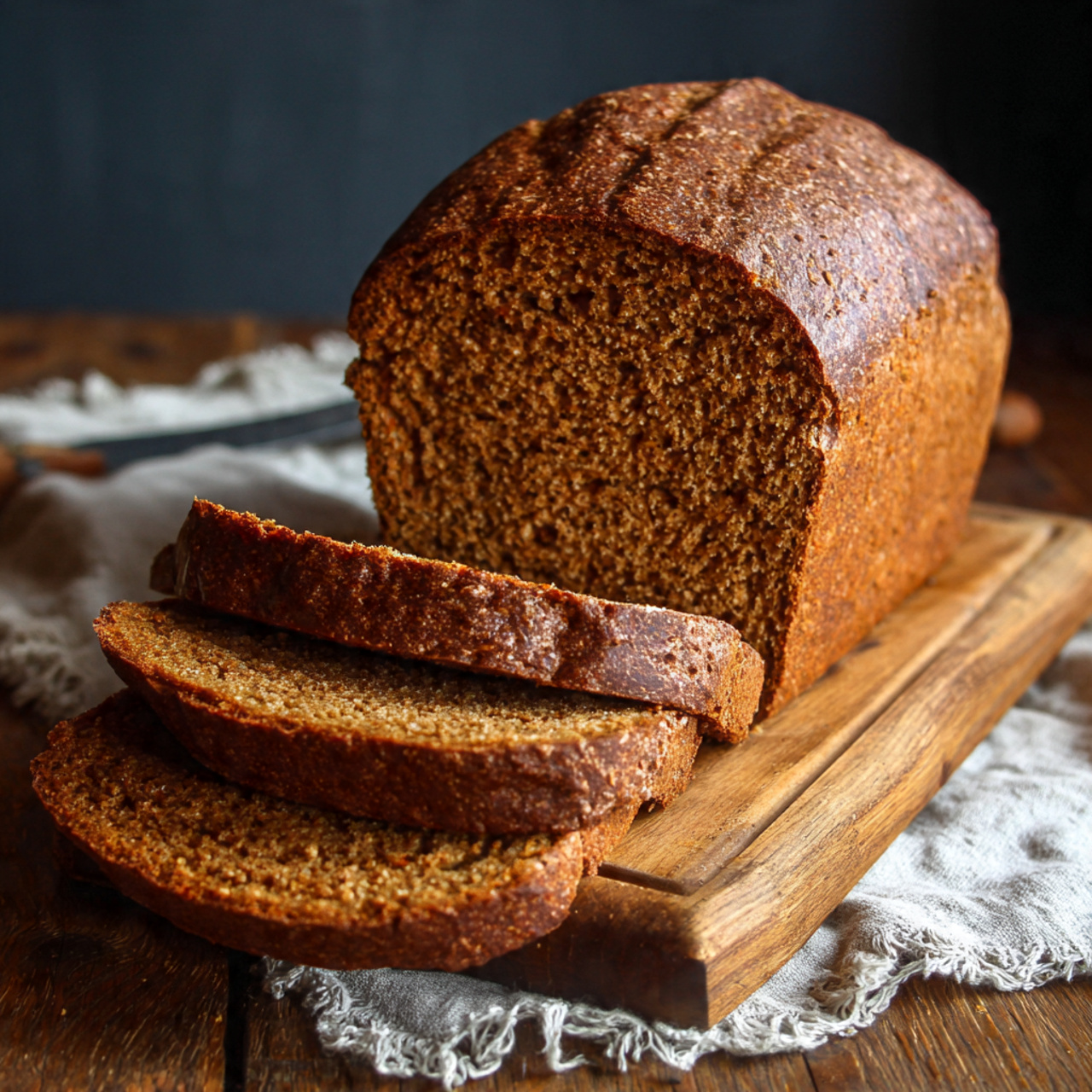
- Crusty bread for dipping
- Croutons (homemade or store-bought)
- Drizzle of olive oil
- Dollop of Greek yogurt or coconut yogurt
- Grated Parmesan (if not vegan)
- Fresh lemon wedges
- Chopped fresh herbs

Step-by-Step Instructions
Step 1: Prepare Your Ingredients
Drain and rinse canned chickpeas thoroughly in a colander. This removes excess sodium and the slightly metallic canned taste. If using dried chickpeas, soak overnight and cook until tender before proceeding (about 1-2 hours).
Dice onion, mince garlic, chop carrots and celery into small, uniform pieces (about ¼-inch). Uniform sizes ensure even cooking. Have all vegetables prepped and ready—this makes the cooking process smooth and prevents burning while you chop.
If using fresh greens, wash and chop them. Remove tough stems from kale or Swiss chard. Fresh spinach can be added whole or roughly chopped.
Step 2: Build the Aromatic Base
Heat olive oil in a large soup pot or Dutch oven over medium heat. A heavy-bottomed pot prevents scorching and distributes heat evenly.
Add diced onion and cook for 5-7 minutes, stirring occasionally, until softened and translucent. You’re developing sweetness and creating the flavor foundation. Don’t rush this step—proper sautéing is crucial for depth.
Add minced garlic and cook for 1 minute, stirring constantly. Garlic burns quickly, so watch carefully. The kitchen should smell amazing—that’s the aromatic base that flavors everything.
Add diced carrots and celery. Cook for 4-5 minutes, stirring occasionally. This begins softening them and concentrates flavors through slight caramelization on the edges.
Step 3: Add Spices and Tomatoes
Add cumin, smoked paprika, coriander, and red pepper flakes if using. Stir constantly for 30-60 seconds. This “blooms” the spices, releasing their aromatic oils and intensifying flavor dramatically.
Add diced tomatoes with their juice. Stir well, scraping any browned bits from the pot bottom—that’s pure flavor. Cook for 2-3 minutes, allowing tomatoes to break down slightly and integrate with the aromatics.
Season with salt and pepper at this stage. Early seasoning allows flavors to penetrate vegetables and chickpeas as they cook, creating better-seasoned soup overall.
Step 4: Add Chickpeas and Broth
Add drained chickpeas to the pot. Stir to coat them in the aromatic vegetable mixture. This step infuses them with flavor before adding liquid.
Pour in vegetable broth and add bay leaves. Stir everything together. Bring to a boil over high heat—this should take about 5 minutes.
Once boiling, reduce heat to medium-low for a gentle simmer. You want small bubbles breaking the surface occasionally, not a rolling boil. Vigorous boiling breaks down chickpeas too much and creates cloudy broth.
Step 5: Simmer and Create Creaminess
Cover the pot and simmer for 25-30 minutes, stirring occasionally. The chickpeas should become very tender—test one by pressing it against the side of the pot with a spoon. It should mash easily.
Here’s the magic step: Use a potato masher or the back of a wooden spoon to mash about one-third of the chickpeas directly in the pot. Press down several times in different areas, breaking up some beans while leaving plenty whole.
This releases starch from the chickpeas, naturally thickening the broth and creating creamy texture without any cream. The soup will transform from thin and brothy to slightly thick and velvety.
For ultra-creamy soup, remove 1-2 cups of the soup (with chickpeas and vegetables), blend until smooth, and stir back in. This creates even richer texture while maintaining satisfying whole chickpeas throughout.
Step 6: Add Greens and Final Flavors
Add chopped spinach or kale to the simmering soup. Stir it in—it will wilt dramatically within 2-3 minutes. The residual heat cooks the greens perfectly without overcooking.
Add lemon juice. This is crucial! The bright acidity balances the earthy chickpeas and makes all the other flavors pop. Start with 2 tablespoons, taste, and add more if desired.
Remove bay leaves and discard. Taste the soup and adjust seasonings. You’ll likely need more salt and pepper—chickpeas are quite neutral and absorb lots of seasoning. Don’t be shy.
If the soup is too thick, add more broth or water to reach desired consistency. If too thin, simmer uncovered for 5-10 minutes to reduce and concentrate, or mash more chickpeas.
Step 7: Serve and Garnish
Let the soup rest for 5 minutes before serving. This allows flavors to settle and brings temperature to perfect eating level.
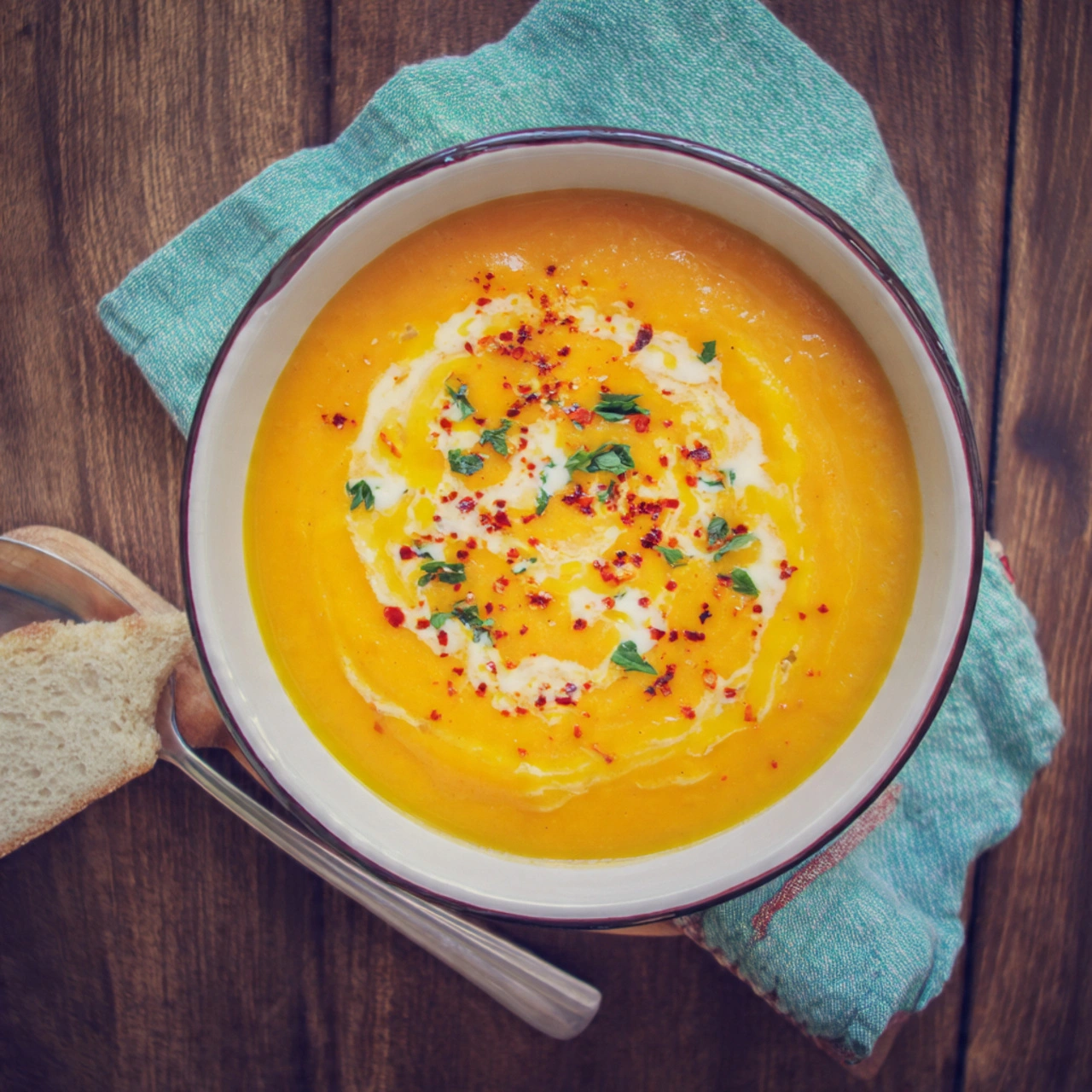
Ladle into bowls and garnish generously. Drizzle with good olive oil, sprinkle with fresh parsley or cilantro, add a dollop of yogurt, or scatter some croutons on top.
Serve with crusty bread for dipping, additional lemon wedges, and extra olive oil. The bread is essential—you’ll want to soak up every drop of that delicious broth.
Pro Tips for Perfect Chickpea Soup
Use Quality Olive Oil: Since this is a Mediterranean soup, good olive oil matters. It’s not just for cooking—drizzling extra-virgin olive oil on top before serving adds incredible flavor and richness.
Don’t Skip Mashing: Partially mashing the chickpeas is what creates creamy texture naturally. This is the secret that transforms good soup into amazing soup without any cream.
Toast the Spices: Blooming spices in oil before adding liquid intensifies their flavor exponentially. This 30-second step makes a huge difference in the final result.
Lemon is Essential: The acidity brightens and balances the earthy chickpeas. Add it at the end to preserve its fresh, bright quality. Bottled lemon juice doesn’t provide the same effect—use fresh.
Cook Chickpeas Properly: If using dried chickpeas, cook them until very tender—they should mash easily. Undercooked chickpeas never soften properly in soup and create unpleasant texture.
Layer Your Seasoning: Season at multiple stages (aromatics, after adding tomatoes, in the broth, final adjustment) rather than all at once. This creates complex, well-rounded flavor.
Use Good Broth: Since this is broth-based soup, quality matters. Homemade is best, good-quality boxed is fine, bouillon works but watch the salt carefully.
Adjust Consistency: Chickpeas absorb liquid over time. If soup thickens too much (especially the next day), add broth or water when reheating. If too thin initially, mash more chickpeas or simmer longer.
Fresh Herbs at the End: Dried herbs go in early for infusion; fresh herbs go in at the end to preserve their vibrant color and fresh taste.
Make It Ahead: Like most soups, this tastes better the next day as flavors meld. Make it a day ahead for entertaining or meal prep.
Customize Vegetables: Use what you have! Sweet potato, potato, butternut squash, zucchini, mushrooms all work beautifully in this base recipe.
Add Tahini for Richness: Stirring in 2-3 tablespoons of tahini creates incredible creamy richness and adds sesame flavor. It’s transformative!
Freeze in Portions: This soup freezes beautifully for 2-3 months. Portion into containers for grab-and-go healthy meals.
Toast Your Bread: Rub toasted bread with a cut garlic clove, drizzle with olive oil, and serve alongside for authentic Mediterranean experience.
Balance Flavors: Soup should taste balanced—not too acidic, not too bland, with warmth from spices but not overwhelming heat. Taste and adjust until everything harmonizes.

Common Mistakes to Avoid
Using Under-Seasoned Broth: Low-sodium broth gives you control but requires generous seasoning. Taste frequently and don’t be afraid of salt—chickpeas need it.
Not Mashing Any Chickpeas: Leaving all chickpeas whole creates thin, watery soup without body. Mashing one-third creates natural creaminess that makes the soup special.
Adding Lemon Too Early: Cooking lemon juice makes it taste flat and bitter. Always add citrus at the very end to preserve bright, fresh flavor.
Overcooking the Greens: Greens need only 2-3 minutes. Longer cooking turns them drab olive instead of vibrant green and creates mushy texture.
Skipping the Aromatics: Jumping straight to chickpeas and broth without properly sautéing onions, garlic, and vegetables creates flat, one-dimensional flavor.
Using Old Spices: Spices lose potency over time. If your cumin or paprika is years old, they won’t provide the flavor impact this soup needs. Use fresh spices for best results.
Boiling Instead of Simmering: Vigorous boiling breaks chickpeas into mush and creates cloudy broth. Gentle simmer creates perfect texture and clear, flavorful liquid.
Not Tasting Before Serving: Every batch needs slightly different seasoning based on broth, chickpeas, and vegetables used. Always taste and adjust before serving.
Adding Delicate Ingredients Too Early: Spinach, lemon juice, and fresh herbs should go in at the end. Early addition destroys their color, texture, and fresh flavor.
Forgetting Acid: Without that final lemon juice, the soup tastes heavy and flat. Acid is the magic ingredient that makes everything else shine.
Storage and Serving Suggestions
Refrigerator Storage:
- Store cooled soup in airtight containers for up to 5 days
- Soup thickens as it sits—chickpeas absorb liquid
- Add broth or water when reheating to thin as needed
- Store without garnishes—add fresh herbs and lemon when serving
Freezer Storage:
- Freeze in portions for 2-3 months
- Leave 1 inch headspace for expansion
- Label containers with date and contents
- Thaw overnight in refrigerator
- Reheat gently, adjusting consistency with liquid
Reheating Tips:
- Stovetop: Heat over medium-low, stirring occasionally, adding liquid if needed
- Microwave: Heat in 2-minute intervals, stirring between
- Don’t boil during reheating—this overcooks vegetables and chickpeas
- Add fresh lemon juice and herbs after reheating for bright flavor
Serving Suggestions:
As Main Course:
- Serve in large bowls with crusty bread
- Top with dollop of Greek yogurt or tahini
- Drizzle with high-quality olive oil
- Sprinkle with toasted pine nuts or almonds
- Add crumbled feta (if not vegan)
For Meal Prep:
- Portion into individual containers with tight lids
- Pack bread or crackers separately to prevent sogginess
- Prepare 5-7 servings on Sunday for week’s lunches
- Stores beautifully and reheats perfectly
Garnish Ideas:
- Fresh parsley, cilantro, or dill
- Drizzle of tahini thinned with lemon juice
- Harissa or chili oil for heat
- Toasted cumin seeds
- Crispy chickpeas for crunch
- Fresh lemon wedges
- Croutons or toasted pita chips
Pairing Suggestions:
- Crusty bread, pita, or naan
- Simple green salad with lemon vinaigrette
- Hummus and vegetable platter
- Tabbouleh or couscous salad
- Grilled vegetables
- Falafel for protein addition
Creative Serving:
- Blend until completely smooth for pureed soup
- Serve over cooked rice or quinoa for grain bowl
- Use as base for shakshuka (add eggs and bake)
- Top with poached egg for extra protein
- Serve with grilled cheese for dipping
Occasions:
- Weekly meal prep for healthy lunches
- Vegan/vegetarian dinner parties
- Cozy weeknight dinners
- Post-workout recovery meal
- Budget-friendly family meals
- Batch cooking for freezer meals

Frequently Asked Questions (FAQ)
Q: Can I use dried chickpeas instead of canned? A: Absolutely! Soak 1.5 cups dried chickpeas overnight in cold water. Drain, then cook in fresh water for 1-2 hours until very tender (they should mash easily). Use 4.5 cups cooked chickpeas in the recipe. Dried chickpeas have better texture and flavor than canned, though canned is more convenient. Save the cooking liquid (aquafaba) for other recipes!
Q: Why is my Chickpea Soup watery instead of creamy? A: Creamy texture comes from mashing some of the chickpeas to release their starch. Make sure to mash about one-third of the chickpeas directly in the pot using a potato masher or the back of a spoon. If you forgot this step, remove 1-2 cups of soup, blend until smooth, and stir back in. Also, simmering longer uncovered will reduce and thicken the soup naturally.
Q: Can I make this soup in a slow cooker or Instant Pot? A: Yes! Slow cooker: Sauté aromatics in a skillet first, then transfer to slow cooker with all other ingredients except greens and lemon. Cook on low 6-8 hours or high 3-4 hours. Add greens and lemon in last 30 minutes. Instant Pot: Sauté aromatics using sauté function, add remaining ingredients except greens and lemon, pressure cook on high for 15 minutes, natural release 10 minutes, then stir in greens and lemon.
Q: Is Chickpea Soup good for weight loss? A: Chickpea Soup is excellent for healthy eating and weight management. It’s naturally low in calories (about 250-300 per serving) while being high in protein (10-12g) and fiber (8-10g), which promote satiety and help you feel full longer. The soup is nutrient-dense, providing vitamins, minerals, and plant-based protein. It’s a filling, satisfying meal that supports healthy eating patterns when part of a balanced diet.
Q: Can I make this soup without tomatoes? A: Yes! For tomato-free version, omit diced tomatoes and add an extra cup of broth. To replace the acidity tomatoes provide, increase lemon juice to 3-4 tablespoons. For deeper flavor, add 1 tablespoon tomato-free vegetable bouillon or miso paste. The soup will be lighter in color but equally delicious.
Q: How do I make Chickpea Soup creamier without dairy? A: Several options: (1) Mash more chickpeas—up to half instead of one-third; (2) Blend 2 cups of the soup and stir back in; (3) Add 2-3 tablespoons tahini for sesame richness; (4) Stir in ½ can coconut milk; (5) Add 1-2 tablespoons cashew butter. All create creamy texture without dairy while keeping the soup vegan.
Q: What protein can I add to Chickpea Soup? A: The chickpeas themselves provide substantial protein (about 10-12g per serving), making this a complete meal. For extra protein: add diced tofu, cooked lentils, white beans, shredded chicken, Italian sausage, or a poached/fried egg on top when serving. For plant-based, chickpeas plus tahini or a handful of nuts/seeds provides complete protein.
Q: Can I freeze Chickpea Soup? A: Yes, it freezes beautifully! Cool completely, portion into airtight containers leaving 1 inch headspace for expansion, label with date, and freeze for up to 3 months. Thaw overnight in refrigerator or use the defrost function. Reheat gently on the stovetop, adding liquid if needed as soup thickens when frozen. The texture remains excellent after freezing.
Conclusion: Simple Ingredients, Extraordinary Comfort
Chickpea Soup represents the beautiful alchemy of transforming pantry staples into something nourishing, satisfying, and genuinely delicious. This isn’t about complicated techniques or hard-to-find ingredients—it’s about understanding how to coax maximum flavor and texture from humble chickpeas, vegetables, and spices that most of us already have on hand.
What makes this soup so valuable is how it delivers on multiple fronts simultaneously. It’s healthy and protein-packed for those focused on nutrition. It’s budget-friendly for economical cooking. It’s vegan and plant-based for those dietary preferences. It’s comforting and satisfying for anyone who loves good soup. One recipe serves countless needs and occasions.
The magic of Chickpea Soup lies in that simple mashing technique that creates creamy richness without any cream. This discovery—that you can achieve velvety texture through the chickpeas themselves—opens up a world of possibilities for making indulgent-tasting soups that are actually quite healthy. It’s a technique worth mastering and applying to other bean soups as well.
Consider making a big batch of Chickpea Soup part of your regular routine. Whether it’s Sunday meal prep for the week ahead, a go-to recipe when you need something healthy and filling, or your comfort food of choice on cold days, this soup delivers reliably every single time. There’s deep satisfaction in knowing you have homemade, nutritious food ready to eat.
Share this recipe with friends exploring plant-based eating, seeking budget-friendly meals, or simply loving good soup. Sometimes the best gift is a recipe that becomes a staple—comfort they can count on for nourishment and satisfaction whenever needed.
Remember that the best recipes are often the simplest ones, built on quality ingredients treated with respect and proper technique. Chickpea Soup proves that you don’t need elaborate preparations or expensive components to create something truly special—just chickpeas, vegetables, good spices, and a little know-how.
So pull out your soup pot, open those cans of chickpeas, and prepare to create Mediterranean magic. Whether this becomes your meal prep staple, your plant-based protein source, or your cozy comfort food go-to, you’re about to discover why humble chickpeas have sustained humans across cultures and centuries.
Happy cooking, and may your Chickpea Soup always be creamy, flavorful, and exactly the nourishment you need!
Print
Chickpea Soup: 15 Mediterranean Secrets for Incredibly Creamy Comfort (2026)
Chickpea Soup is a creamy, protein-rich Mediterranean comfort soup featuring tender garbanzo beans, aromatic vegetables, warming spices, and bright lemon. This naturally vegan soup achieves rich, velvety texture without any cream through the simple technique of partially mashing the chickpeas. Healthy, filling, and bursting with flavor.
- Total Time: 55 minutes
- Yield: 6-8 servings
Ingredients
- Base: olive oil, onion, garlic, carrots, celery, chickpeas, diced tomatoes, vegetable broth
- Seasonings: bay leaves, cumin, smoked paprika, coriander, red pepper flakes, salt, pepper
- Finish: spinach or kale, fresh lemon juice, fresh herbs
- Optional: bell pepper, zucchini, coconut milk, tahini, additional greens
Instructions
Sauté onion in olive oil until soft. Add garlic, carrots, celery; cook 4-5 minutes. Add spices, toast 1 minute. Add tomatoes, cook 2-3 minutes. Add chickpeas and broth, bring to boil, reduce to simmer. Cook covered 25-30 minutes. Mash one-third of chickpeas in pot to create creamy texture. Add greens, wilt 2-3 minutes. Add lemon juice, remove bay leaves, adjust seasonings. Serve garnished with herbs, olive oil, and crusty bread.
Notes
Mashing some chickpeas creates natural creaminess—don’t skip this! Add lemon at end for bright flavor. Use good olive oil for drizzling. Soup thickens as it sits—add liquid when reheating. Tastes better next day. Freezes beautifully 2-3 months. Customize with preferred vegetables and spices. Season generously—chickpeas need bold flavoring.
- Prep Time: 15 minutes
- Cook Time: 40 minutes
- Category: Soups
- Method: Simmering, One-Pot
- Cuisine: Mediterranean, Middle Eastern
- Diet: Vegan