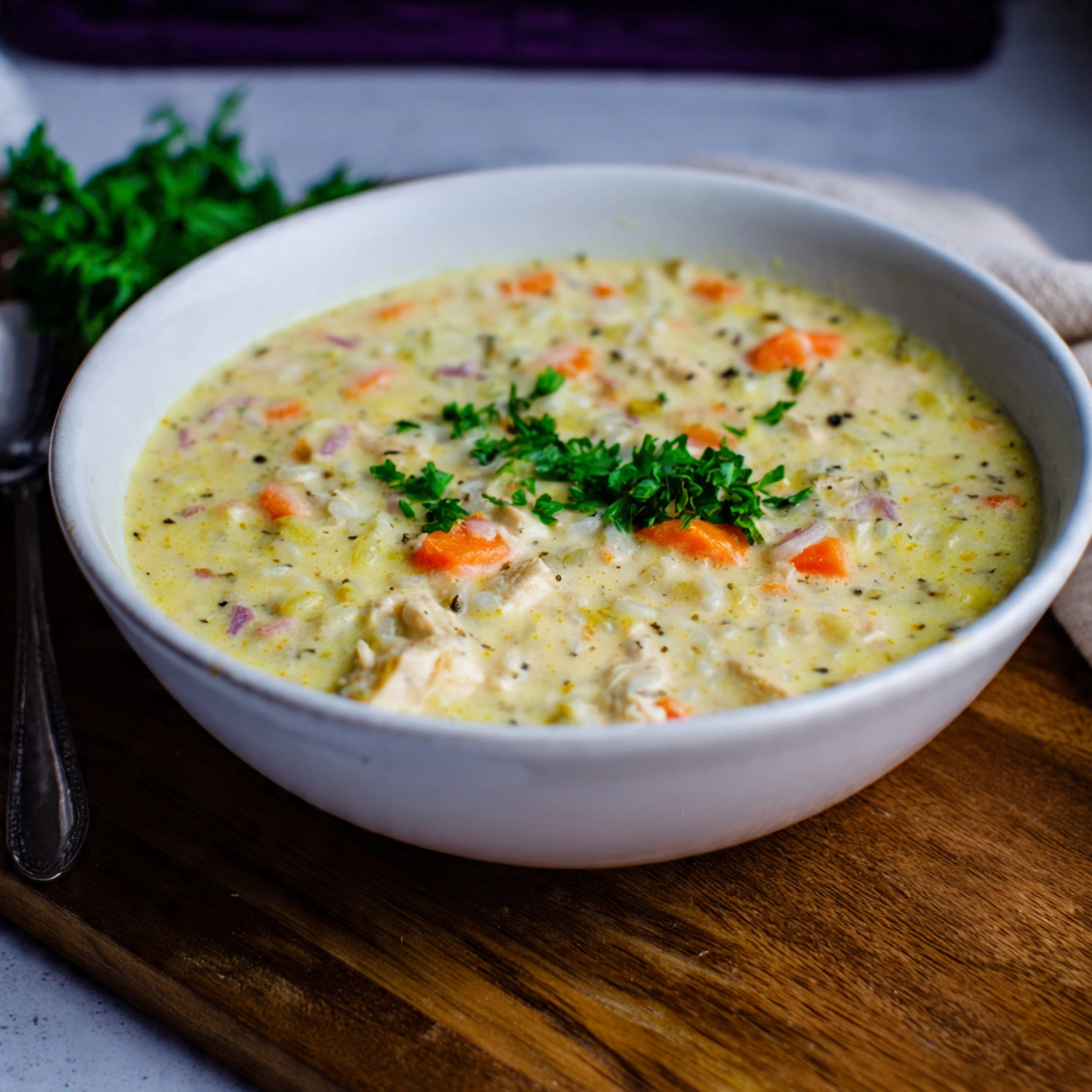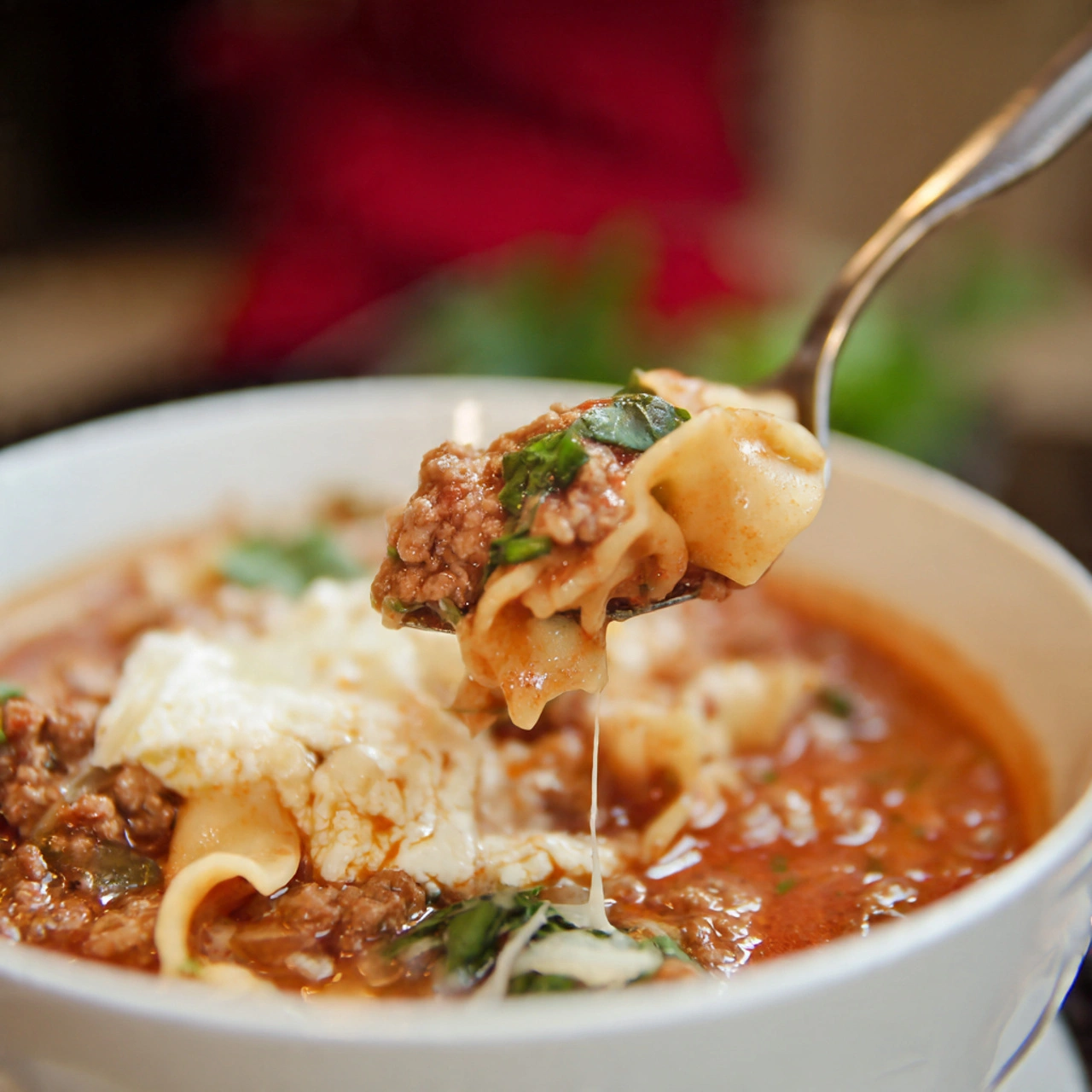

Creamy Chicken and Rice Soup: The Cozy Weeknight Recipe That Feels Like a Warm Embrace


There’s something nearly magical about creamy chicken and rice soup—it’s the kind of dish that transforms an ordinary Tuesday evening into something genuinely memorable without demanding hours of your time. After spending over twenty years developing recipes and writing about food, I’ve noticed that this particular soup appears on home cook’s tables more frequently than almost any other comfort dish, yet most people approach it with surprising uncertainty about technique and ingredient choices.
The truth is, creamy chicken and rice soup occupies a unique space in the culinary world. It’s simple enough for a weeknight dinner when you’re exhausted and hungry, yet sophisticated enough to serve when friends drop by unexpectedly. It improves when made ahead. It freezes beautifully. And perhaps most importantly, it tastes far more impressive than the modest ingredient list suggests.
I’ve made this soup literally hundreds of times—testing different rice varieties, experimenting with various vegetables, exploring how to build flavor without relying on cream as a shortcut. What I’ve discovered is that creamy chicken and rice soup isn’t about following a rigid formula. Rather, it’s about understanding the principles that make it work, then adapting based on your ingredients and preferences.
This comprehensive guide shares everything I’ve learned: how to select ingredients that actually matter, techniques that elevate the final dish, timing strategies that save you stress, and solutions to problems that commonly derail home cooks. By the time you’ve read this and cooked your first batch, you’ll understand not just what to do, but why each step contributes to success.
Why Creamy Chicken and Rice Soup Deserves Regular Rotation in Your Kitchen
Before jumping directly into technique and ingredients, let’s discuss why this soup resonates so deeply with home cooks everywhere. Understanding this context informs better cooking decisions throughout the process.
Creamy chicken and rice soup delivers genuine comfort—the kind that settles warmly in your stomach and feels nourishing rather than heavy. It tastes like someone spent the afternoon cooking, even when you’ve spent less than an hour. This disconnect between effort and impression is part of its appeal.
The flavor profile combines savory broth, tender chicken, soft rice, and aromatic vegetables into something greater than any single component. Unlike soups that rely on a single dominant flavor, creamy chicken and rice soup balances multiple elements. The rice thickens the broth naturally while adding subtle sweetness. The chicken provides protein and body. Cream adds richness without overwhelming. Vegetables contribute color, texture, and nutritional value.
This balance is partly why creamy chicken and rice soup works so well as a base for variations. Add dill and you have a Scandinavian-inspired version. Include spinach and you create something Mediterranean. Use coconut milk instead of cream and you’ve shifted toward an Asian profile. The foundation is flexible.
Additionally, creamy chicken and rice soup checks multiple practical boxes: it uses readily available ingredients you likely already have, it comes together in under an hour, it reheats beautifully, and it freezes with reliable success. Few dishes accomplish all of these things simultaneously.

Understanding Your Ingredient Choices for Creamy Chicken and Rice Soup
Not every ingredient on your grocery list carries equal weight in determining your final dish’s success. Let’s break down which choices genuinely matter and why.
Selecting Your Chicken: The Protein Foundation
For creamy chicken and rice soup, you have three legitimate options, each with distinct advantages.
Raw chicken breasts provide complete control. You poach them directly in your broth, infusing it with subtle chicken flavor as they cook. This approach is economical and guarantees you know exactly what went into your protein. The downside is slightly longer cooking time and the need to monitor internal temperature carefully. Buy skinless, boneless breasts from your preferred source.
Rotisserie chicken saves considerable time while delivering superior flavor from the seasoning and browning that occurs during commercial cooking. Quality rotisserie chickens are remarkably affordable, often less expensive per pound than raw chicken. They eliminate the poaching step entirely. If you’re short on time or prefer convenience, this is genuinely worthwhile.
Chicken thighs offer exceptional flavor and juiciness since thighs contain more fat than breasts. They’re often less expensive than breasts and stay more tender during cooking. The trade-off is slightly longer cooking time and requiring careful removal of any small bones. Thighs are excellent if you enjoy robust chicken flavor and don’t mind a slightly richer soup.
Regardless of which you choose, you need roughly three cups of shredded chicken for this recipe. That’s your target, and whichever form gets you there is the right choice.
Rice Selection: More Important Than You Might Think
Rice choice directly impacts your soup’s final texture. Let me explain the differences.
Arborio rice is short-grain rice with high starch content. As it cooks, it releases starch into the broth, thickening it naturally. This creates that signature creamy texture without adding cream—though we do add cream to this recipe for extra richness. Arborio rice remains slightly firm even when fully cooked, maintaining pleasant texture rather than turning to mush. This is an excellent choice.
Long-grain white rice takes longer to release starch, resulting in a less creamy broth naturally. It remains firmer in texture, which some prefer. Long-grain rice is more economical than Arborio and widely available.
Brown rice adds nutty flavor but takes significantly longer to cook. You’d need to increase cooking time by at least 30 minutes, which extends your overall soup preparation significantly. Brown rice is nutritionally superior but requires planning accordingly.
Jasmine or basmati rice contribute subtle floral or nutty notes but don’t release starch as readily, creating a brothier rather than creamy soup. These work fine if that’s your preference, but they require additional cream to achieve the classic creamy consistency.
For most home cooks, Arborio rice offers the best balance of convenience, cost, and results. Use it unless you have a specific reason to substitute.
Broth: The Often-Overlooked Foundation
The broth you select flavors everything. It’s worth paying attention.
Low-sodium chicken broth allows you to control final seasoning. It typically contains 700-900 mg of sodium per cup, which is reasonable and leaves room for salt adjustment. Many home cooks prefer this option because it prevents oversalting.
Regular-sodium chicken broth contains roughly 1,500-1,800 mg of sodium per cup. When combined with other ingredients that contain sodium (cream cheese, for example), regular-sodium broth can push your soup toward saltiness. Use regular-sodium only if you’re prepared to taste carefully and adjust.
Bone broth, increasingly available in grocery stores, offers deeper flavor from extended simmering of bones. It costs more than standard broth but contributes noticeably richer taste. If you’re willing to spend extra, bone broth creates a notably superior final product.
Homemade broth, if you have it, is genuinely your best option. The effort invested returns in soup quality that surpasses any store-bought version.
Vegetables: Building Flavor Layer by Layer
Onion, celery, and carrot form the aromatic base of nearly all soups. This combination isn’t arbitrary—these vegetables contain natural compounds that, when cooked together, create a flavor foundation that’s greater than the sum of its parts.
Onion provides base sweetness and savory depth when cooked low and slow. Yellow onion, the most common variety, offers balanced flavor. White onion is slightly sharper. Red onion, while delicious in salads, adds color in soup but is slightly mellower. Use yellow onion for this recipe.
Celery contributes subtle herbal notes and slight sweetness. It also contains compounds that help develop soup depth. Use the pale inner stalks rather than the darker outer ones—they’re more tender and less stringy.
Carrot adds natural sweetness and color. Dicing carrots small ensures they fully cook and distribute evenly throughout your soup.
Garlic should be minced fine. It releases its flavor compounds readily when cooked gently, creating savory complexity that ties all other elements together.
Some cooks add additional vegetables—peas, corn, mushrooms, spinach—and these are excellent additions that I’ll address later. For the base recipe, stick with the aromatic trio plus garlic.

Complete Ingredient List for Creamy Chicken and Rice Soup
Proteins and Broth
- 2 pounds boneless, skinless chicken breasts (or 1 rotisserie chicken, or 2 pounds chicken thighs)
- 6 cups low-sodium chicken broth (or bone broth)
- ½ teaspoon salt (if using rotisserie chicken; adjust based on broth sodium)
Aromatic Base Vegetables
- 2 tablespoons butter or olive oil
- 1 medium yellow onion, finely diced
- 2 celery stalks, diced small
- 2 large carrots, diced small
- 4 garlic cloves, minced
- 1 teaspoon dried thyme
- 1 teaspoon dried parsley
- ½ teaspoon dried marjoram
- ¼ teaspoon black pepper
- 1 teaspoon sea salt (plus more for final adjustment)
Rice and Thickening Element
- ¾ cup Arborio rice (or long-grain white rice)
- 4 ounces cream cheese, cubed
- 1 cup heavy cream (or half-and-half for lighter version)
Final Seasonings and Garnish
- 2 tablespoons fresh parsley, chopped (or 1 additional tablespoon dried)
- 1 tablespoon fresh dill, chopped (or ½ teaspoon dried dill)
- Juice of ½ lemon (optional, for brightness)
- Salt and pepper to taste
- Crusty bread for serving (optional)
Step-by-Step Instructions for Making Creamy Chicken and Rice Soup
Stage One: Preparing Your Chicken (If Using Raw)
Fill a large pot or Dutch oven with your six cups of chicken broth. Place over medium-high heat and bring to a rolling boil. The moment you see large bubbles breaking the surface, carefully add your raw chicken breasts. They’ll cause an immediate temperature drop; don’t be alarmed.
Once the broth returns to a gentle boil, reduce heat to medium. You’re looking for a bare simmer—small bubbles breaking the surface here and there, not a vigorous rolling boil. Set a timer for 16 minutes.
While the chicken cooks, begin prepping your vegetables. Dice your onion into small pieces, roughly ¼ inch. This size ensures even cooking and dispersal throughout the soup. Dice your celery and carrot into similar-sized pieces. Mince your garlic fine—garlic pieces should be barely visible, nearly paste-like. Proper vegetable prep means your soup cooks evenly and vegetables don’t have varying degrees of doneness.
When the 16-minute timer sounds, remove one piece of chicken and cut into the thickest part. If no pink remains, test the internal temperature with a meat thermometer—you’re looking for exactly 165°F. If you don’t have a thermometer, the cut test is reliable: no pink, fully opaque inside means done.
Remove the cooked chicken to a cutting board using tongs or a slotted spoon. Let it cool for five minutes until comfortable handling. Using two forks, shred the chicken into bite-sized pieces—roughly the size of your pinky fingernail, not large chunks. You should have approximately three cups of shredded chicken.
This broth, now enriched with subtle chicken flavor from the poaching process, is your soup base. Don’t discard it—you’ve just created something more valuable than your starting broth.
If using rotisserie chicken, skip this entire stage and simply remove the meat from the bones, shred into bite-sized pieces, and set aside in a bowl. You now have your three cups of shredded chicken and can proceed directly to building your flavor base.
If using chicken thighs, follow the same process as breasts but extend cooking time to 20-22 minutes. Thighs contain more fat, which makes them forgiving about slight overcooking. They’ll stay juicy and tender even a few minutes beyond fully cooked.
Stage Two: Building Your Aromatic Foundation
Place your pot back on the stove over medium heat (if you removed the chicken in the same pot, simply don’t turn the heat down). Add butter or olive oil. Butter adds more flavor, but olive oil is fine if that’s your preference. Give the fat about 30 seconds to heat—you want it shimmering but not smoking.
Add your diced onion. Stir occasionally as it cooks for about five minutes. You’re watching for the onion to transition from firm and translucent to soft and beginning to turn golden at the edges. This transition represents the breakdown of the onion’s cell structure and the release of natural sugars. Raw onion tastes sharp and unpleasant; properly cooked onion becomes sweet and mellow.
Add your diced celery and carrot. Stir well to coat with the butter. Cook for another three to four minutes, stirring occasionally. The vegetables won’t fully soften yet—you’re just beginning the cooking process and encouraging them to release their aromatic compounds into the fat.
Add your minced garlic and stir constantly for about 60 seconds. The moment the kitchen smells irresistibly garlicky, stop. Garlic that cooks much longer than this becomes bitter and burnt, completely negating its positive contributions. You want that sweet, pungent garlic aroma, not the sulfurous smell of over-cooked garlic.
Stage Three: Introducing Rice and Herbs
Pour in your Arborio rice. Stir well, coating each grain with the butter and allowing it to toast very slightly in the fat. This toasting step is optional but worthwhile—it adds subtle nutty flavor that enhances the final soup. Cook for about two minutes, stirring constantly.
Add your dried thyme, parsley, and marjoram along with the black pepper. Stir to distribute the herbs evenly. You’re not blooming these herbs the way you’d bloom ground spices, but you are allowing them to warm slightly and release more flavor.
Stage Four: Introducing Your Broth and Building Flavor
Carefully pour in your reserved chicken broth (or your purchased broth if using pre-cooked chicken). The vegetables and rice will be submerged. Stir thoroughly to combine everything, ensuring no rice sticks to the bottom of the pot.
Bring to a boil over medium-high heat. Once boiling, reduce heat to medium and adjust to a gentle simmer. You want small bubbles rising slowly, not a rolling boil. Cover partially—leave the lid slightly ajar rather than fully closed, which prevents boiling over while still maintaining heat.
Set a timer for 18 minutes. During this time, the rice will cook, absorbing broth and releasing starch that begins thickening the soup. Don’t stir frequently. Stirring agitates the rice, breaking down its starch granules and creating gumminess rather than pleasant soup texture. Stir once or twice if you notice rice sticking to the bottom, but otherwise leave it alone.
While the soup simmers, add your shredded chicken to a bowl and cover it loosely. This prevents it from cooling too much, so it integrates smoothly into the hot soup when added.
Stage Five: Creating the Creamy Component
When the 18-minute timer sounds, carefully taste a grain of rice. It should be fully cooked but not mushy—tender with just the slightest resistance when you bite it. If it’s still slightly firm, cook for another two minutes and taste again. Rice cookedness varies based on rice variety and exact heat level.
Once the rice is cooked, add your cream cheese cubes. Stir constantly for about three to four minutes. The cream cheese won’t melt into a uniform liquid—it will soften and gradually integrate into the broth. Keep stirring until you don’t see distinct cream cheese pieces anymore.
In a separate bowl, pour your heavy cream. If your cream is very cold from the refrigerator, it helps to let it sit at room temperature for five minutes. Now, here’s an important technique: slowly ladle about one cup of the hot broth into your cream while whisking constantly. This is called tempering. You’re raising the temperature of the cold cream gradually so when you add it to the hot soup, it doesn’t shock and separate into unpleasant curdled bits.
Once the cream and soup are roughly the same temperature, slowly pour the cream mixture back into the pot while stirring constantly. Continue stirring for two to three minutes. This gradual incorporation prevents any separation and creates a uniform, silky texture throughout.
Stage Six: Adding Chicken and Final Seasonings
Add your shredded chicken to the soup. Stir gently to distribute it evenly. The chicken was warm, and the soup is hot, so it immediately heats back to serving temperature.
Cook for another three to four minutes, stirring occasionally. This allows the chicken to fully warm through and the flavors to marry together slightly.
Now comes an important step: taste your soup. This is when you assess whether it needs additional seasoning. Salt is typically what’s needed—add ¼ teaspoon at a time, stir, taste, and repeat until the flavors pop. Remember that you can always add more salt, but removing it is nearly impossible.
If you’re using fresh parsley and dill, add them now. If using dried herbs, consider whether additional seasoning is needed—sometimes the dried herbs from earlier are sufficient, sometimes a bit more enhances the final product.
A squeeze of lemon juice—if you’re using it—adds brightness that cuts through the richness of the cream and cream cheese. It’s optional, but many find it makes the soup feel fresher and less heavy.
Stage Seven: Serving Your Creamy Chicken and Rice Soup
Remove from heat. Your creamy chicken and rice soup is now complete and ready to serve.
Ladle into bowls or cups. Creamy chicken and rice soup is traditionally served in slightly smaller portions than brothier soups because it’s richer. A cup to cup-and-a-half per person is typical.
Garnish each serving with additional fresh parsley if desired. Serve with crusty bread for scooping up every drop. Some people enjoy a sprinkle of black pepper on top. Others add a pinch of paprika for color. These are entirely optional.

Pro Tips for Making Exceptional Creamy Chicken and Rice Soup
Don’t skip the tempering step with cream. This five-minute detour is the difference between silky, unified soup and lumpy, separated cream that’s unpleasant. Always temper cold cream by gradually adding hot liquid while whisking. It’s genuinely important.
Use fresh herbs as garnish even if you cook with dried. Dried herbs added during cooking develop flavor as they infuse into the broth. Fresh herbs added at the end bring brightness and texture that dried herbs can’t match. A little fresh parsley costs nearly nothing and noticeably improves the final dish.
Taste frequently throughout cooking. This isn’t just about salt. As the soup cooks, the flavors develop and change. Tasting at various stages helps you understand how the soup evolves and when adjustments are needed. A great cook tastes constantly.
Don’t overcrowd your pot. This recipe fits comfortably in a six-quart Dutch oven or stockpot. If your pot is too small, use a larger one. Overcrowding prevents proper heat circulation and makes stirring difficult. Good equipment makes cooking easier.
Add vegetables that complement poultry. If you want to add more vegetables beyond the aromatic base, consider mushrooms, peas, spinach, or asparagus. These complement chicken beautifully. Avoid strongly flavored vegetables like broccoli or Brussels sprouts unless that’s specifically what you’re aiming for.
Make a double batch. This soup costs roughly the same to make in double quantity as single batch. Half goes on your table, half goes to the freezer for future easy meals. It’s sound strategy.
Toast your rice before adding liquid. I mentioned this briefly in the instructions, but it deserves emphasis. Two minutes of toasting rice in butter or oil adds subtle complexity that elevates the final soup. It’s optional but worthwhile.
Add a bay leaf during cooking and remove before serving. Bay leaves add subtle depth and are worth the effort to include. Just remember to fish it out before serving—nobody wants to bite into a bay leaf.
Let the soup rest five minutes before serving. Remove from heat and let it sit briefly. This allows flavors to settle and distribute, and it allows the soup to cool slightly so it doesn’t scorch your mouth. It’s a small thing that noticeably improves the eating experience.
Common Mistakes That Undermine Creamy Chicken and Rice Soup
Overcooking raw chicken from the start. Chicken continues cooking slightly after removal from heat through residual temperature. If you cook chicken until 165°F then let it sit, it can become stringy and dry. Cook to exactly 165°F, then remove immediately.
Stirring the rice constantly. Frequent stirring breaks down rice starch granules, creating gummy soup texture rather than pleasant consistency. Stir only occasionally to prevent sticking to the bottom.
Using medium or low-fat dairy products. This is not the place to reduce calories. Full-fat cream and full-fat cream cheese contribute flavor and richness that justify their presence. Low-fat versions create a thin, unsatisfying soup. Use full-fat products without apology.
Adding cold cream to very hot soup without tempering. Shocking cold cream with extreme heat causes it to curdle and separate. Temper by slowly adding hot soup to cold cream, then gradually reintroduce to the pot. This step prevents ruined batches.
Using high heat throughout. A rolling boil can evaporate too much liquid and break down flavors. Maintain a gentle simmer. It takes slightly longer but produces better results.
Not tasting and adjusting seasoning. Many home cooks cook everything then serve without tasting first. Taste near the end and adjust salt, herbs, or lemon juice. This difference between adequate and excellent is huge.
Overcooking the rice. Rice that’s mushy and falling apart creates gummy soup. Cook until just tender, not soft. Taste a grain at 16 minutes, not 20.
Using regular-sodium broth plus regular-sodium cream cheese plus salt. The cumulative sodium becomes overwhelming. Use low-sodium broth and taste before adding additional salt.
Failing to shred the chicken properly. Large chunks of chicken create awkward texture. Shred into pieces roughly the size of your pinky fingernail for ideal mouthfeel.
Not adjusting for your specific stove. Every stove heats differently. What takes 16 minutes on one stove might take 14 or 18 on another. Use timing as a guide, but rely on visual cues and taste as your actual measuring stick.
Storage, Make-Ahead, and Freezing Strategies for Creamy Chicken and Rice Soup
Refrigerator Storage
Creamy chicken and rice soup stores well in the refrigerator for up to four days. Allow the soup to cool to room temperature before transferring to airtight containers. This prevents condensation buildup and keeps your containers cleaner.
Glass containers are preferable to plastic, as plastic can retain odors and develop cloudiness over time. Label containers with the preparation date using tape and permanent marker.
When reheating, you’ll notice the soup thickens as it cools—the rice and cream cheese create additional body once the soup sets. When reheating, add a splash of additional broth or milk if you prefer a thinner consistency. Reheat gently on the stovetop over medium-low heat, stirring occasionally. Avoid high heat, which can cause the cream to separate or break.
Freezing for Later
Creamy chicken and rice soup freezes successfully for up to three months. The key is proper cooling and container selection.
Allow the soup to cool to room temperature. For large batches, spread the soup in a shallow baking pan and refrigerate until completely cold (about two hours), then transfer to freezer containers. This prevents ice crystal formation during freezing.
Freeze in individual portion-sized containers for maximum convenience. Leave about one inch of headspace in each container—liquid expands as it freezes, and you don’t want container failures or soup leaking everywhere.
When ready to use, thaw overnight in the refrigerator. Reheat gently on the stovetop over medium-low heat, stirring occasionally. Alternatively, you can reheat from frozen in a heavy pot, starting with low heat and allowing gradual warming—this takes about 25-30 minutes instead of 10-15 from thawed, but it works fine.
Some recipes suggest not freezing cream-based soups, but creamy chicken and rice soup actually freezes reliably because the rice acts as a binder and stabilizer. Don’t hesitate to freeze it.
Make-Ahead Strategy for Entertaining
Prepare everything through the point where the broth comes to a simmer (before the 18-minute rice cooking). Cool completely, then refrigerate for up to three days. When ready to serve, reheat to a gentle simmer, then proceed with the remaining rice cooking time and cream integration as directed. This approach accomplishes about 70% of your cooking in advance, leaving just 20 minutes of actual cooking for when you’re hosting.

Frequently Asked Questions About Creamy Chicken and Rice Soup
Can I make creamy chicken and rice soup in a slow cooker?
Yes, absolutely. The slow cooker method works wonderfully for busy days. Add your diced onion, celery, carrot, minced garlic, herbs, rice, chicken broth, and raw chicken pieces to your slow cooker. Cook on low for six to seven hours or on high for three to four hours. About 20 minutes before serving, add your cream cheese and cream following the tempering instructions in the main recipe. The slow cooker method actually deepens flavors through extended cooking time. The one trade-off is that you lose the fond (browned bits) that develops when sautéing vegetables in butter, but the results are still excellent.
Is creamy chicken and rice soup naturally gluten-free?
The soup base itself is naturally gluten-free. However, you must verify your store-bought ingredients. Some broths contain gluten-based additives, though most major brands are gluten-free or have gluten-free versions. Rice is naturally gluten-free. Cream cheese is gluten-free. The challenge comes with processed ingredients, so if preparing for someone with celiac disease or gluten sensitivity, verify every ingredient label.
What if I want to add more vegetables to my creamy chicken and rice soup?
Vegetables are an excellent addition. Mushrooms add earthiness. Peas and corn add sweetness and color. Spinach and other leafy greens add nutrition and flavor. Asparagus adds delicate flavor. Diced zucchini works fine. Add these vegetables in the last ten minutes of cooking so they don’t become overly soft. Most vegetables cook quickly and don’t need the full 18-minute cooking time that rice requires.
Can I use a different type of rice or substitute rice altogether?
You can use different rice, but results will vary. Long-grain rice creates a brothier soup because it releases less starch. Brown rice requires additional cooking time (roughly 30-40 minutes instead of 18). Jasmine and basmati rice are aromatic but don’t thicken the soup naturally. If you prefer a brothier soup, use long-grain. If you want it creamier, stick with Arborio. Some people substitute rice with orzo pasta or egg noodles, which creates a slightly different but equally delicious soup.
How do I prevent the soup from becoming too thick after a day or two of storage?
The rice continues absorbing liquid as the soup sits, naturally thickening it. When reheating, simply add additional broth, milk, or water to achieve your preferred consistency. Start by adding ¼ cup of liquid, stir well, taste, and add more if needed. This is normal and easily corrected.
Can I make creamy chicken and rice soup dairy-free?
Yes, though the final product will be noticeably different. Use full-fat coconut milk in place of heavy cream and dairy-free cream cheese substitute in place of regular cream cheese. The results are quite good—creamy and satisfying—but distinctly different in flavor. Coconut milk adds subtle sweetness and tropical notes that change the soup’s character. This works great if that’s your preference.
What’s the best way to reheat creamy chicken and rice soup without breaking the cream?
Low and slow is the answer. Use medium-low heat, stir frequently, and allow the soup to warm gradually. Avoid high heat or microwave reheating at full power, which can cause the cream to separate. If you must use a microwave, do it in intervals of 30 seconds at 50% power, stirring between intervals. Stovetop reheating is genuinely superior.