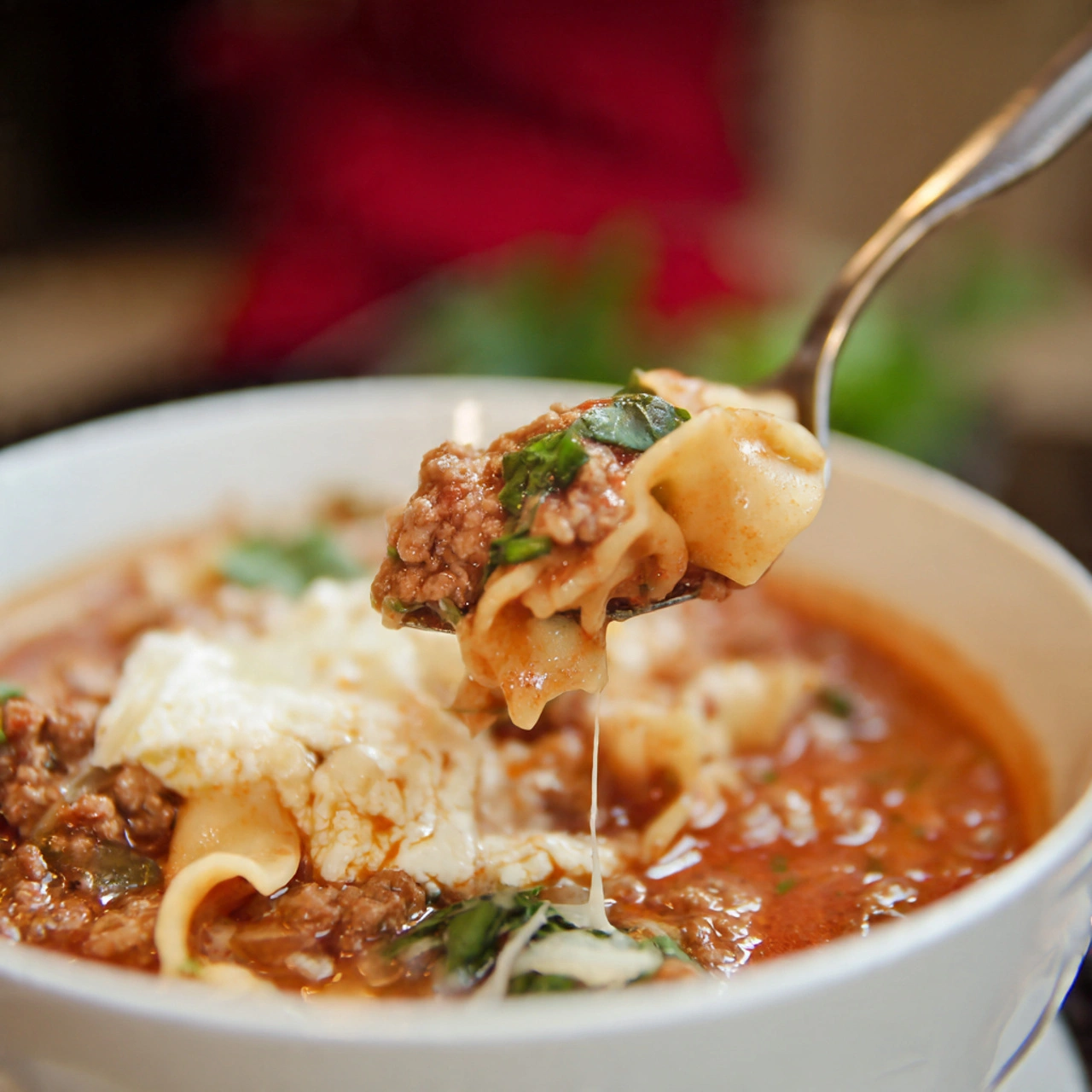

Chicken Enchilada Soup: A Complete Guide to Making This Beloved Comfort Classic


There’s something deeply satisfying about bringing a steaming bowl of chicken enchilada soup to the dinner table. When I started my food writing journey over two decades ago, I noticed something interesting: while countless readers searched for this recipe, most felt intimidated by the ingredient list or uncertain about technique. Yet chicken enchilada soup is genuinely one of the most forgiving, adaptable, and rewarding dishes you can make at home.
I’ve tested variations of this soup for years—some with heavy cream, others with lighter alternatives; some with traditional ingredients, others with creative twists. What I’ve discovered is that chicken enchilada soup isn’t about rigid adherence to a single recipe. Rather, it’s about understanding the core principles that make the dish work, then building your version from there.
This guide walks you through everything: how to select ingredients that matter, techniques that elevate flavor, timing tricks that save you hours, and solutions to problems that commonly derail home cooks. By the time you finish reading and making this recipe, you’ll understand not just what to do, but why each step matters.
Understanding What Makes Chicken Enchilada Soup Truly Special
Before jumping into the recipe itself, let’s talk about why this dish resonates with so many people. Chicken enchilada soup delivers the soul-warming satisfaction of traditional Mexican enchiladas while offering practical advantages that make it perfect for everyday cooking.
Unlike enchiladas that require rolling, assembly, and careful baking, chicken enchilada soup comes together in one pot. It’s forgiving about timing—simmer it gently and it only gets better. It improves when made ahead. It freezes beautifully. And perhaps most importantly, every spoonful tastes like you spent hours cooking when you’ve actually invested less than ninety minutes from start to finish.
The flavor profile combines smoky, complex chile-based elements with bright citrus notes, rich creaminess, and the satisfying texture of tender chicken and soft vegetables. Each component serves a purpose, building layers of flavor that make this soup genuinely crave-worthy rather than simply filling.
Selecting Your Ingredients: What Matters Most in Chicken Enchilada Soup
The foundation of any exceptional dish rests on ingredient selection. Let me break down the choices that genuinely impact your finished chicken enchilada soup, because not every ingredient on your list carries equal weight.
The Protein: Chicken Selection Matters
For this recipe, you have two primary routes: starting with raw chicken breasts or using a rotisserie chicken from your grocery store. Both work beautifully, but they involve different trade-offs.
Raw chicken breasts give you more control over cooking time and texture. You can poach them directly in the broth that becomes your soup base, infusing that broth with subtle chicken flavor as it cooks. This approach costs slightly less and guarantees you know what went into your protein.
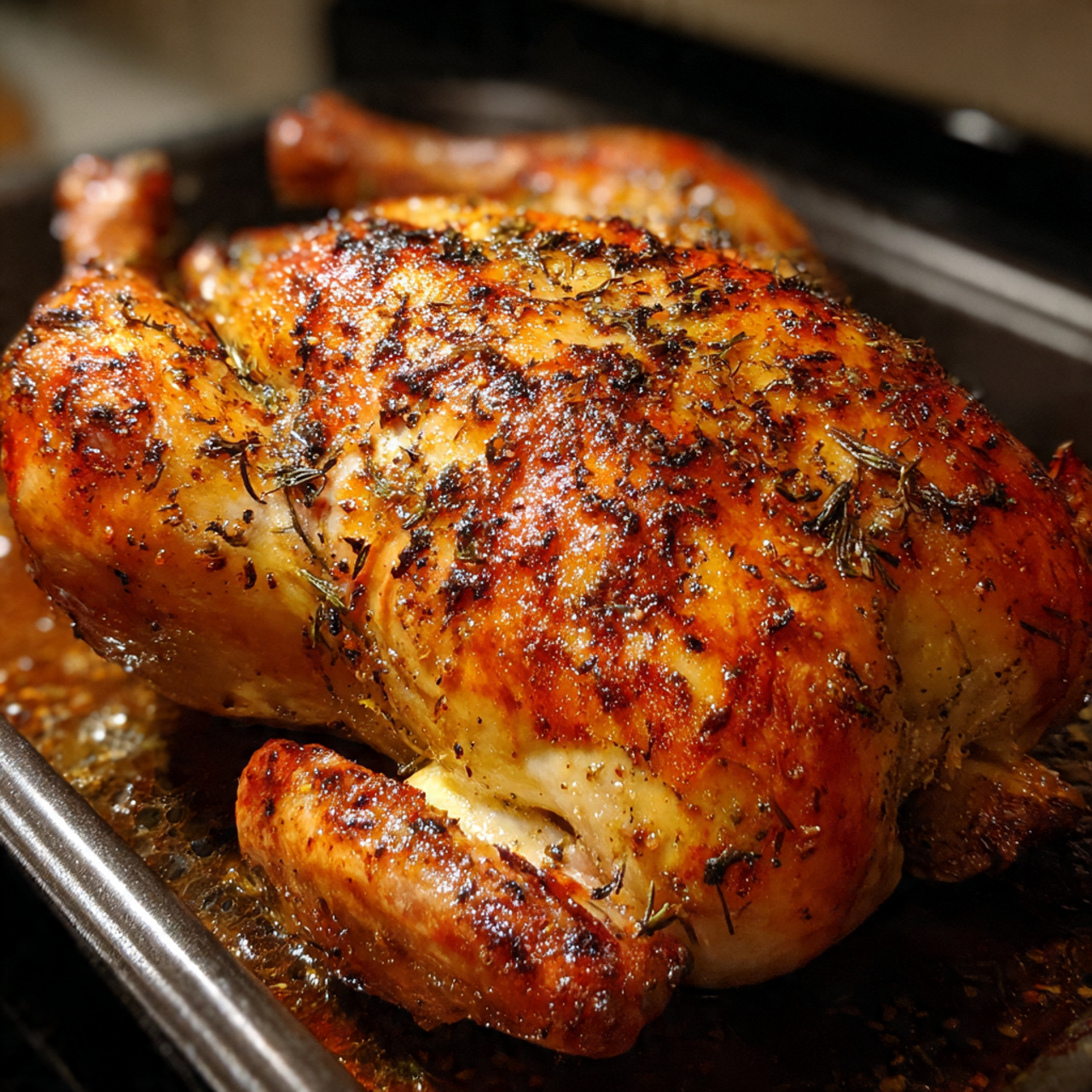
A rotisserie chicken saves significant time and provides superior flavor from its seasoning and the browning that occurs during cooking. Quality rotisserie chickens are remarkably affordable and eliminate the step of poaching. If you’re short on time or cooking for a special occasion, this option is genuinely worthwhile.
Some cooks also successfully use rotisserie turkey, which creates a lighter, slightly different version that works equally well. The key with any protein is ensuring you end up with roughly three cups of shredded meat.
Tomato Products: Fire-Roasted Makes a Difference
Not all canned tomatoes taste the same. Standard canned tomatoes provide a clean tomato flavor, which is fine. Fire-roasted tomatoes deliver something different—a deeper, slightly smoky complexity that directly echoes the flavors of traditional enchilada dishes. The difference is noticeable and worthwhile.
When selecting your canned tomatoes, read the ingredient list. Look for crushed fire-roasted tomatoes without added sugars or additives. Brands vary in quality; San Marzano varieties tend to be particularly good, though regional brands often compete admirably on price and taste.
The Enchilada Sauce: Homemade vs. Store-Bought
Store-bought red enchilada sauce offers genuine convenience and acceptable results. Most major grocery stores carry multiple brands, and they’re remarkably consistent. However, making enchilada sauce from scratch using dried chiles creates something with noticeably more depth and complexity.
If you want to make homemade enchilada sauce, here’s the simplified process: Toast two dried ancho chiles and two dried guajillo chiles in a dry skillet for 30 seconds per side until fragrant. Remove seeds and stems, then soak in hot water for 15 minutes. Blend the softened chiles with one cup of their soaking liquid, three minced garlic cloves, one teaspoon cumin, one teaspoon oregano, and salt to taste. Strain through a fine-mesh sieve. This yields roughly one and a quarter cups and tastes incomparably better than store-bought versions.
That said, not everyone has the time or inclination for this step. Store-bought enchilada sauce gets you 85% of the way there, and that’s legitimate progress. Use what makes sense for your situation.
Peppers: Quality Over Quantity
Poblano peppers provide the backbone of flavor complexity in this dish. They’re milder than jalapeños but bring more character than simple bell peppers. If your grocery store doesn’t carry fresh poblanos, you have options: substitute with additional bell peppers plus one or two jalapeños, use frozen poblano strips (increasingly available in quality grocery stores), or research specialty markets in your area.
Bell peppers add color and subtle sweetness. Red bell peppers taste noticeably sweeter than green, creating a more rounded final flavor profile. Yellow peppers work too, though they’re sometimes harder to find.
Jalapeños control the heat level. If you prefer mild soup, use just one small jalapeño, seeded and minced. If you enjoy heat, add two or three and leave some seeds in for extra intensity. This is entirely your call.

Complete Ingredient List for Chicken Enchilada Soup
Proteins and Broth
- 2 pounds boneless, skinless chicken breasts (or 1 rotisserie chicken, meat removed and shredded)
- 6 cups low-sodium chicken broth
Fresh Vegetables
- 1 large yellow onion
- 5 large garlic cloves
- 2 fresh poblano peppers
- 1 red bell pepper
- 1-3 fresh jalapeños (depending on desired heat)
- 1 cup corn kernels (frozen, canned, or fresh)
Pantry and Spice Elements
- 2 tablespoons olive oil
- 2 teaspoons ground cumin
- 1.5 teaspoons dried Mexican oregano
- 1 teaspoon smoked paprika
- ½ teaspoon ground coriander
- ¼ teaspoon cayenne pepper
- 1 teaspoon sea salt (plus more for adjusting)
- ½ teaspoon black pepper
Canned and Bottled Ingredients
- 1 can (28 ounces) crushed fire-roasted tomatoes
- 1 can (10 ounces) red enchilada sauce
- 1 can (14.5 ounces) diced tomatoes with green chiles
Dairy and Creamy Components
- 1 cup heavy cream
- ½ cup Mexican crema or sour cream
- 4 ounces cream cheese
For Finishing
- Crispy tortilla strips (homemade or store-bought)
- 1 cup shredded sharp cheddar cheese
- Fresh cilantro for garnish
- 1 lime
- Sliced fresh jalapeños (optional)
- Sliced avocado (optional)
The Complete Process: Making Chicken Enchilada Soup Step by Step
Preparing Your Protein (If Starting with Raw Chicken)
Fill a large pot with your six cups of chicken broth. Bring to a steady boil over medium-high heat. Once boiling, carefully add your chicken breasts. They’ll immediately drop the temperature; bring the broth back to a simmer.
Reduce heat to medium and maintain a gentle simmer. Set a timer for 16 minutes. When time’s up, remove one piece of chicken and cut into the thickest part. If the interior shows no pink and measures 165°F with a meat thermometer, they’re done. If not quite there, continue simmering for another two to three minutes, then check again.
Remove cooked chicken to a cutting board using tongs or a slotted spoon. Let cool for five minutes until comfortable handling. Shred the chicken using two forks, pulling it into bite-sized pieces. You should have roughly three cups of shredded chicken. Set it aside in a bowl.
This broth, now enriched with chicken flavor, becomes your soup base. Don’t discard it—that’s valuable flavor you’ve just created.
If using a rotisserie chicken, skip this step entirely. Remove meat from the bones (reserve the carcass for making bone broth another day) and shred into bite-sized pieces. You’ll have roughly three cups from a standard rotisserie chicken.
Building Your Flavor Foundation
Place your large pot on the stove over medium heat. Add the olive oil. Give it about 30 seconds to heat—you want it shimmering but not smoking.
Dice your onion into pieces roughly ¼ inch in size. Add it to the hot oil and stir occasionally. You’re looking for the onion to soften and become translucent, which takes about five minutes. This foundation step matters more than you might think. Cooking onion properly breaks down its sulfur compounds, mellow its raw bite, and creates a naturally sweet, savory base.
After five minutes, add your minced garlic. You should have roughly five cloves, minced fine. Stir constantly for about 90 seconds. The garlic will quickly release its fragrance. The moment the aroma becomes strong and mouth-watering, stop. Garlic that cooks too long tastes burnt and bitter, undoing all your previous work.
Blooming Your Spices: A Game-Changing Technique
This step separates competent chicken enchilada soup from genuinely memorable chicken enchilada soup. To your softened onion and garlic, add all your spices: cumin, oregano, smoked paprika, coriander, cayenne, salt, and pepper.
Stir constantly for exactly 90 seconds. You’ll watch the mixture transform. Initially, the spices are pale and powdery. As they warm, they darken slightly and release an intoxicating aroma. This is blooming—you’re toasting the spices in fat, which brings out the oils that carry their flavor compounds.
This technique, borrowed from Indian cooking, creates a fundamental difference in depth. Skipping this step results in flat, one-dimensional spice flavor. Taking 90 seconds to bloom makes your spices sing. Don’t skip it.
Adding Your Vegetables
You should have prepared your poblanos, red bell pepper, and jalapeños. Dice the poblanos into roughly ½-inch pieces, discarding the seeds. Do the same with the bell pepper. Mince your jalapeños—this fine chopping ensures they distribute evenly throughout the soup.
Add all peppers to your pot. Stir well, ensuring they coat with the spiced oil. You’ll see them glisten. Cook, stirring occasionally, for six to eight minutes. The peppers will soften, reduce slightly in volume, and become more fragrant. Occasionally scraping the bottom of the pot with your wooden spoon helps release fond—those flavorful browned bits—that would otherwise stick.
The peppers are done when a fork easily pierces them but they haven’t completely fallen apart.
Deglazing and Adding Your Liquids
Carefully pour in your can of crushed fire-roasted tomatoes. Use a wooden spoon to scrape any stuck fond from the pot bottom. This fond represents concentrated flavor that belongs in your soup, not left in the pan.
Add your can of diced tomatoes with green chiles and your enchilada sauce. Stir thoroughly. Then add your reserved chicken broth (or your six cups of purchased broth if using rotisserie chicken).
At this point, your pot contains most of your soup’s liquid ingredients. Stir thoroughly, then bring to a gentle boil over medium-high heat. Once boiling, reduce heat to medium-low and simmer uncovered for exactly 15 minutes.
This simmering allows flavors to marry together. The liquid reduces slightly, concentrating flavors. The pH of the tomato-based soup shifts toward balance. Don’t skip this step or rush through it by using high heat.
Introducing the Chicken and Corn
After 15 minutes of simmering, add your shredded chicken and corn kernels. If using frozen corn, there’s no need to thaw it first; the residual heat will do that. Stir thoroughly to distribute the chicken evenly.
Cook for another five minutes at a gentle simmer, stirring occasionally. This brief cooking ensures the chicken heats through completely and the corn warms through.
Taste a spoonful of the soup. The flavors should be bold and well-defined. This is your opportunity to assess seasoning. Does it need more salt? Add ¼ teaspoon and taste again. Does it taste flat or one-dimensional? That might indicate a need for a bit more cumin or oregano. Trust your palate.
Creating the Creamy Component: The Crucial Tempering Technique
You’ve made it to the final steps, and this is where many home cooks make a critical mistake. Adding cold cream to very hot soup causes the dairy to curdle, breaking into unpleasant little flecks. We prevent this through a technique called tempering.
Pour your heavy cream and Mexican crema (or sour cream) into a medium bowl and whisk them together. Set aside.
Using a ladle, slowly add about one cup of hot soup to the cream mixture while whisking constantly. You’re raising the temperature of the cold cream gradually so it doesn’t shock and curdle. Whisk for about 30 seconds until fully combined.
Now, slowly pour this tempered cream mixture back into your pot while stirring constantly. The cream should flow in as a stream while you stir with a wooden spoon, ensuring even distribution. Continue stirring for two to three minutes after you’ve added all the cream. This incorporates it fully and prevents any separation.
The Final Richness: Cream Cheese Integration
Cut your four ounces of cream cheese into roughly ½-inch cubes. Add these to the pot. Stir constantly as they melt. This takes about three to four minutes. The cream cheese won’t form one solid mass in the pot; rather, it will gradually soften and integrate into the creamy broth.
Cream cheese serves multiple purposes: it adds richness, provides subtle tang, and helps thicken the soup to the ideal consistency. Unlike some thickening agents, it dissolves smoothly and creates a silky mouthfeel.
Once fully melted and incorporated, taste again and make final seasoning adjustments. Remember that salt is your friend in this soup—it’s what makes all the other flavors pop. If the flavors taste slightly muted, salt is usually the answer. Add in ¼-teaspoon increments and taste between additions.
Serving Your Chicken Enchilada Soup
Remove from heat. Your chicken enchilada soup is now complete and ready to serve.
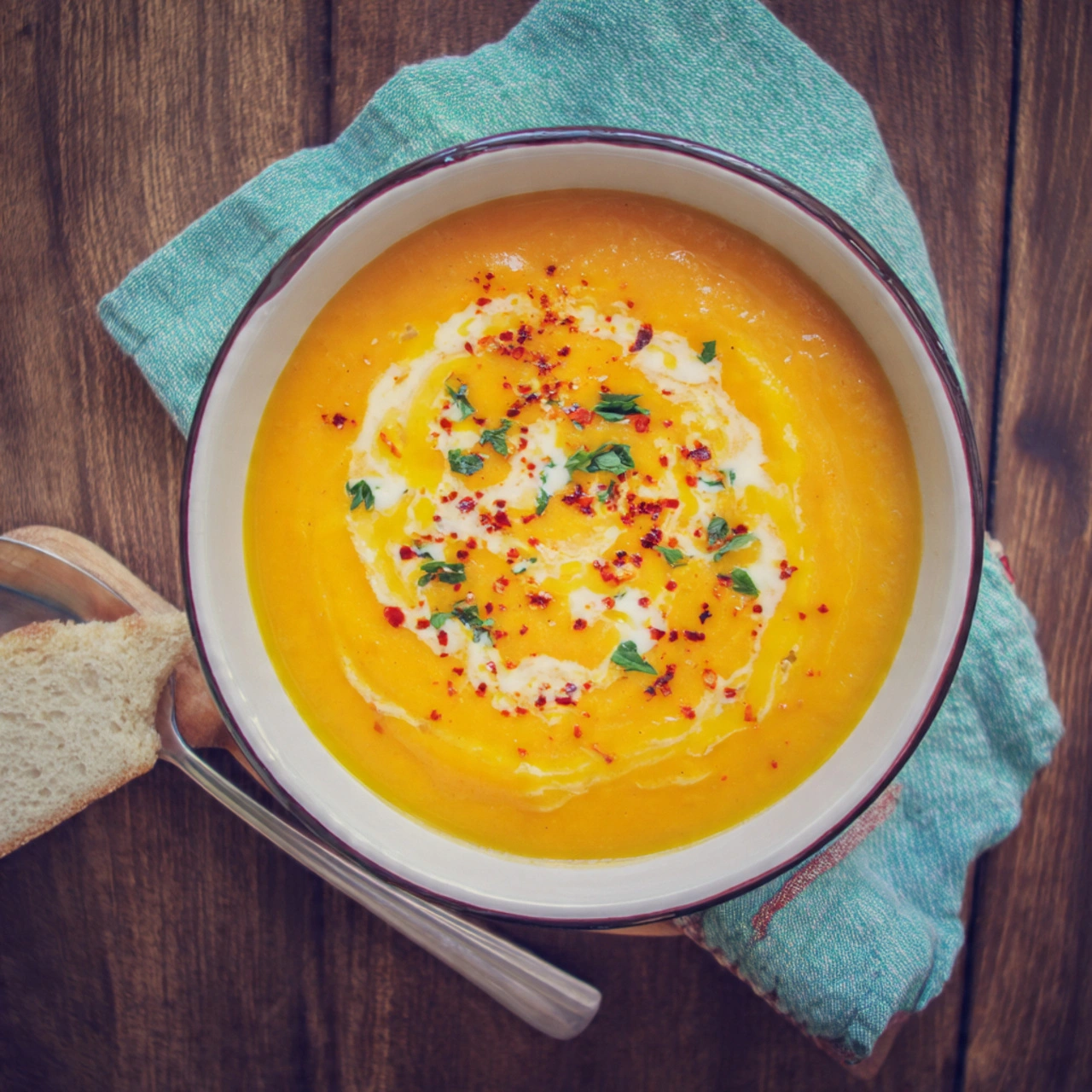
Ladle into bowls, filling them about three-quarters full. Top each serving generously with crispy tortilla strips, a good handful of shredded cheddar, fresh cilantro, and a lime wedge on the side for squeezing. If desired, add sliced jalapeños and avocado.
Serve immediately while the soup is hot and the tortilla strips still have their satisfying crunch.

Pro Tips That Elevate Your Chicken Enchilada Soup
Make your own tortilla strips. Store-bought strips are convenient but often become soggy quickly. Making your own is genuinely simple: cut corn or flour tortillas into thin strips, toss with a minimal amount of oil and a pinch of salt, spread on a baking sheet, and bake at 375°F for 8-10 minutes until crispy. They stay crispy much longer and taste noticeably fresher.
Let your soup cool slightly before adding cream. While not absolutely essential if you temper properly, letting your soup cool to just below a rolling boil before adding dairy makes the tempering process even more forgiving and virtually eliminates any risk of curdling.
Use Mexican oregano instead of Mediterranean oregano. The two taste noticeably different. Mexican oregano has a more complex, slightly citrusy flavor that complements Mexican food beautifully. It’s worth seeking out in the spice aisle or international section.
Toast your spices if you have whole versions. If you can find whole cumin seeds, coriander seeds, or other spices, toasting them in a dry skillet for about 90 seconds, then grinding them fresh with a spice grinder or mortar and pestle creates incomparably aromatic results. You’ll notice the difference immediately.
Add a squeeze of lime juice at the table rather than in the pot. While the recipe includes lime wedges for squeezing, some diners appreciate the brightness of lime while others prefer it without. Letting people add their own lime ensures everyone gets exactly what they want.
Consider a splash of masa harina for extra depth. Masa harina, the cornmeal used in making tamales and tortillas, adds subtle corn flavor and slight thickening. Mix one tablespoon with three tablespoons water to create a slurry, then whisk it into your finished soup. This is optional but creates extra dimension.
Save your rotisserie chicken carcass. If using rotisserie chicken, don’t discard the bones. Simmer them with water, onion, garlic, and a bay leaf for an hour to create homemade chicken broth that surpasses store-bought versions. Strain and cool, then freeze for your next batch of chicken enchilada soup.
Common Mistakes That Derail Chicken Enchilada Soup
Overcooking the chicken from the start. Raw chicken breasts continue cooking even after removal from heat. If you cook them until the thickest part reaches 165°F and then let them sit in residual heat, they can become stringy and dry. Target 165°F exactly, then remove immediately.
Using low-fat dairy products. This is not the place to cut calories. Cream, Mexican crema, and cream cheese all benefit from their fat content, which carries flavor and creates that luxurious mouthfeel that makes chicken enchilada soup crave-worthy. Use full-fat versions without apology.
Skipping the spice blooming step. This might be the single biggest mistake. Raw spices sprinkled directly into liquid taste dusty and flat. Blooming them in fat for 90 seconds transforms them into something vibrant and complex. The difference is enormous.
Adding the cream too quickly without tempering. Cold cream hitting very hot liquid causes curdling. Temper by adding hot soup to the cream while whisking, then gradually reintroduce to the pot. This five-minute detour prevents a ruined batch.
Using high heat throughout. A rolling boil can break down delicate flavors and cause too much liquid to evaporate. Maintain a gentle, barely-bubbling simmer. It takes slightly longer but produces better results.
Overseasoning before the final taste. Cream, cheese, and other additions mellow flavors. Resist seasoning heavily early on. Taste near the end of cooking and adjust seasoning then, when you can accurately assess the finished soup.
Not accounting for sodium in store-bought broths. Many commercial broths contain significant sodium. Combined with enchilada sauce and cheese, you can easily end up with oversalted soup. Use low-sodium broth and adjust salt at the end based on taste.
Failing to properly shred the chicken. Chicken left in large chunks creates an unpleasant texture. Shred into bite-sized pieces using two forks—you want pieces roughly the size of your pinky fingernail, not larger.

Storage, Make-Ahead, and Freezing Your Chicken Enchilada Soup
Refrigerator Storage
Chicken enchilada soup keeps beautifully in the refrigerator for up to four days. Allow the soup to cool to room temperature before transferring to airtight containers. Cooling before refrigerating prevents condensation buildup and keeps everything cleaner.
Glass containers are preferable to plastic, as they don’t retain odors, stains, or cloudy film over time. Label containers with the date you made the soup using a simple piece of tape and permanent marker.
When reheating, you’ll notice the soup thickens as it sits—the cream cheese becomes more set as the soup cools. Add a splash of broth or a bit of water when reheating if you prefer a thinner consistency. Reheat gently on the stovetop over medium-low heat, stirring occasionally. Avoid high heat, which can cause the cream to break or separate.
Freezing for Later
Chicken enchilada soup freezes beautifully for up to three months. The key is proper cooling and containment.
Allow the soup to cool to room temperature. If you’re freezing large batches, spread the soup in a shallow pan in the refrigerator until completely cold (about two hours), then transfer to containers. This prevents ice crystals from forming during freezing.
Freeze in individual portion-sized containers for maximum convenience. Leave about one inch of headspace in each container—liquid expands as it freezes, and you don’t want the lid popping off or soup leaking everywhere.
When ready to use, thaw overnight in the refrigerator. Reheat on the stovetop over medium-low heat, stirring occasionally. Alternatively, you can reheat from frozen in a heavy pot, starting with the heat low and allowing it to warm through gradually—this takes about 20-25 minutes instead of 10-15 minutes from thawed, but it works fine.
Make-Ahead Strategy for Entertaining
Prepare everything through the simmering stage (step with the liquid simmering for 15 minutes). Cool completely, then refrigerate up to three days ahead. When ready to serve, reheat gently to a simmer, then proceed with adding the chicken, corn, and cream components as directed. This approach does about 85% of your work in advance, leaving just the final 15 minutes of cooking for when guests are arriving.
Frequently Asked Questions About Chicken Enchilada Soup
Can I make chicken enchilada soup in a slow cooker, and if so, how?
Absolutely, and it’s wonderfully convenient for busy days. Add the onion, garlic, peppers, all your spices, both cans of tomatoes, the enchilada sauce, and the broth to your slow cooker. Cook on low for six to eight hours or on high for three to four hours. About 20 minutes before serving, add the shredded chicken and corn, then temper and add the cream mixture as directed. The slow cooker method actually deepens the spice flavors beautifully through extended cooking time. The one downside is that you lose the fond that develops when sautéing in a pot, but the results are still excellent.
Is chicken enchilada soup naturally gluten-free?
The soup base itself is naturally gluten-free, but you must verify your store-bought ingredients. Some enchilada sauces use wheat flour as a thickener. Check the label. Similarly, some commercial broths contain gluten. The spices should be fine, but verify that you’re using pure spices without additives or anti-caking agents that might contain gluten.
If you’re making this for someone with celiac disease or gluten sensitivity, read every label carefully and choose products specifically labeled gluten-free when available. Homemade enchilada sauce (made from dried chiles and spices) is naturally gluten-free and provides superior flavor anyway.
Can I substitute the heavy cream with something lighter?
Yes, though the final texture and mouthfeel will be slightly different. Full-fat coconut milk creates a delicious, slightly tropical version. Half-and-half works but creates a less luxurious texture. Whole milk is thinner still and doesn’t create the same satisfying richness.
For a dairy-free version, use full-fat coconut milk (the canned variety, not the drinking type) in place of heavy cream and coconut cream in place of Mexican crema. Use dairy-free cream cheese. The result is quite good, though noticeably different from the traditional version.
What if I want to add beans to my chicken enchilada soup?
Beans are an excellent addition. Black beans, pinto beans, or kidney beans all work well. Add one to one and a half cans (rinsed and drained) of your chosen beans along with the corn. They add heartiness, additional protein, and complement the cumin beautifully.
If using dried beans, cook them separately until tender, then add to your soup. This ensures they don’t turn to mush and gives you control over their texture.
Can I use chicken thighs instead of chicken breasts?
Yes, and many cooks prefer them. Thighs are fattier and stay moister than breasts, plus they offer more robust chicken flavor. They take slightly longer to cook—about 20-25 minutes in simmering broth—but the result is exceptionally juicy and flavorful.
Thighs are often less expensive than breasts, making this a smart switch if you’re cooking on a budget.
How can I make this soup spicier?
Several options: use three to four jalapeños instead of one or two, include the cayenne pepper and add an additional ¼ teaspoon, use hot enchilada sauce instead of mild, or add a pinch of chili powder and a dash of hot sauce to taste at the end of cooking.
Start conservatively and build heat gradually, tasting as you go. You can always add more heat, but removing it is impossible.
Final Thoughts on Making Chicken Enchilada Soup
After more than two decades of recipe development and food writing, I can confidently say that chicken enchilada soup represents the best of home cooking: it’s approachable yet impressive, simple in concept yet complex in flavor, forgiving of minor mistakes while rewarding careful technique.
You don’t need specialized equipment, hard-to-find ingredients, or culinary school training to make genuinely excellent chicken enchilada soup. You need understanding—knowing why each step matters and how different components work together to create something greater than the sum of its parts.
The techniques covered in this guide—blooming spices, tempering cream, building flavor through proper sautéing—apply far beyond this single recipe. Master them here, and you’ll automatically improve countless other dishes you make.
Start with this recipe as written. Make notes about what you’d change. Over time, it will become one of those dishes you make without consulting instructions. Your family will request it by name. Friends will ask for the recipe. You’ll have created something genuinely worthwhile.
That’s the power of understanding a recipe deeply rather than simply following steps. Here’s hoping your chicken enchilada soup journey brings warmth, nourishment, and genuine satisfaction to your table.
Print
Chicken Enchilada Soup: A Complete Guide to Making This Beloved Comfort Classic
This creamy chicken enchilada soup delivers all the beloved flavors of restaurant-style enchiladas in convenient, comforting bowl form. Tender shredded chicken mingles with a rich, spice-forward tomato base, aromatic peppers and onions, and velvety cream components. Topped with crispy tortilla strips, sharp cheddar cheese, and fresh cilantro, each spoonful tastes like you’ve been cooking all day—even though this comes together in under an hour.
- Total Time: 1 hour 15 minutes
- Yield: 6-8 servings
Ingredients
Proteins and Broth
- 2 pounds boneless, skinless chicken breasts (or 1 rotisserie chicken)
- 6 cups low-sodium chicken broth
Fresh Vegetables
- 1 large yellow onion, diced
- 5 garlic cloves, minced
- 2 poblano peppers, seeded and diced
- 1 red bell pepper, diced
- 1-3 fresh jalapeños, minced (adjust for heat preference)
- 1 cup corn kernels (fresh, frozen, or canned)
Pantry and Spices
- 2 tablespoons olive oil
- 2 teaspoons ground cumin
- 1.5 teaspoons dried Mexican oregano
- 1 teaspoon smoked paprika
- ½ teaspoon ground coriander
- ¼ teaspoon cayenne pepper
- 1 teaspoon sea salt
- ½ teaspoon black pepper
Canned Ingredients
- 1 can (28 ounces) crushed fire-roasted tomatoes
- 1 can (10 ounces) red enchilada sauce
- 1 can (14.5 ounces) diced tomatoes with green chiles
Dairy Components
- 1 cup heavy cream
- ½ cup Mexican crema or sour cream
- 4 ounces cream cheese, cubed
For Serving
- Crispy tortilla strips
- 1 cup shredded sharp cheddar cheese
- ½ cup fresh cilantro, chopped
- 1 lime, cut into wedges
- Sliced jalapeños (optional)
- Sliced avocado (optional)
Instructions
- Cook your protein. If using raw chicken, bring broth to boil in a large pot. Add chicken breasts, return to simmer, and cook 16 minutes until internal temperature reaches 165°F. Remove, cool slightly, and shred into bite-sized pieces. Reserve broth. (If using rotisserie chicken, skip this step and simply shred the meat.)
- Build your flavor base. Heat olive oil in a large pot over medium heat. Add diced onion and cook 5 minutes until softened and translucent. Add minced garlic and cook 90 seconds until fragrant.
- Bloom your spices. Add cumin, oregano, paprika, coriander, cayenne, salt, and pepper. Stir constantly for 90 seconds to bloom the spices and release their essential oils.
- Cook your vegetables. Add diced poblanos, red bell pepper, and minced jalapeños. Stir well and cook 6-8 minutes, stirring occasionally, until peppers soften.
- Add your liquids. Pour in crushed fire-roasted tomatoes, scraping up any fond from the pot bottom. Add diced tomatoes with green chiles, enchilada sauce, and reserved chicken broth. Stir thoroughly.
- Simmer the base. Bring to a gentle boil, then reduce heat to medium-low and simmer uncovered for 15 minutes.
- Add chicken and corn. Stir in shredded chicken and corn kernels. Cook 5 minutes, stirring occasionally. Taste and adjust salt and pepper as needed.
- Temper the cream. In a medium bowl, whisk together heavy cream and Mexican crema. Slowly ladle about 1 cup of hot soup into the cream mixture while whisking constantly. Whisk for 30 seconds until combined.
- Incorporate the cream. Slowly pour the tempered cream mixture back into the pot while stirring constantly. Continue stirring for 2-3 minutes to fully incorporate and create a silky texture.
- Melt in the cream cheese. Add cubed cream cheese to the pot. Stir constantly for 3-4 minutes as it melts and creates a rich, velvety consistency.
- Final seasoning and serving. Taste and adjust seasoning as needed. Ladle into bowls and top with crispy tortilla strips, shredded cheddar, fresh cilantro, and lime wedges. Add optional jalapeños and avocado if desired.
Notes
- Fire-roasted tomatoes create noticeably deeper flavor than standard canned tomatoes
- Make tortilla strips fresh for superior texture and crunch
- Customize heat level by adjusting jalapeño quantity
- Soup can be prepared ahead up to the cream-adding step and refrigerated
- Freezes beautifully for up to three months
- Slow cooker variation: Add all ingredients except cream components to slow cooker; cook on low 6-8 hours or high 3-4 hours. Add cream components in final 20 minutes of cooking.
- Authentic enchilada sauce made from dried chiles elevates the soup further but store-bought sauce works well
- Prep Time: 20 minutes
- Cook Time: 55 minutes
- Category: Soups
- Method: Stovetop
- Cuisine: Mexican-Inspired, Tex-Mex
- Diet: Gluten Free