

Lemon Blueberry Sourdough Bread Recipe: A Burst of Flavor in Every Slice


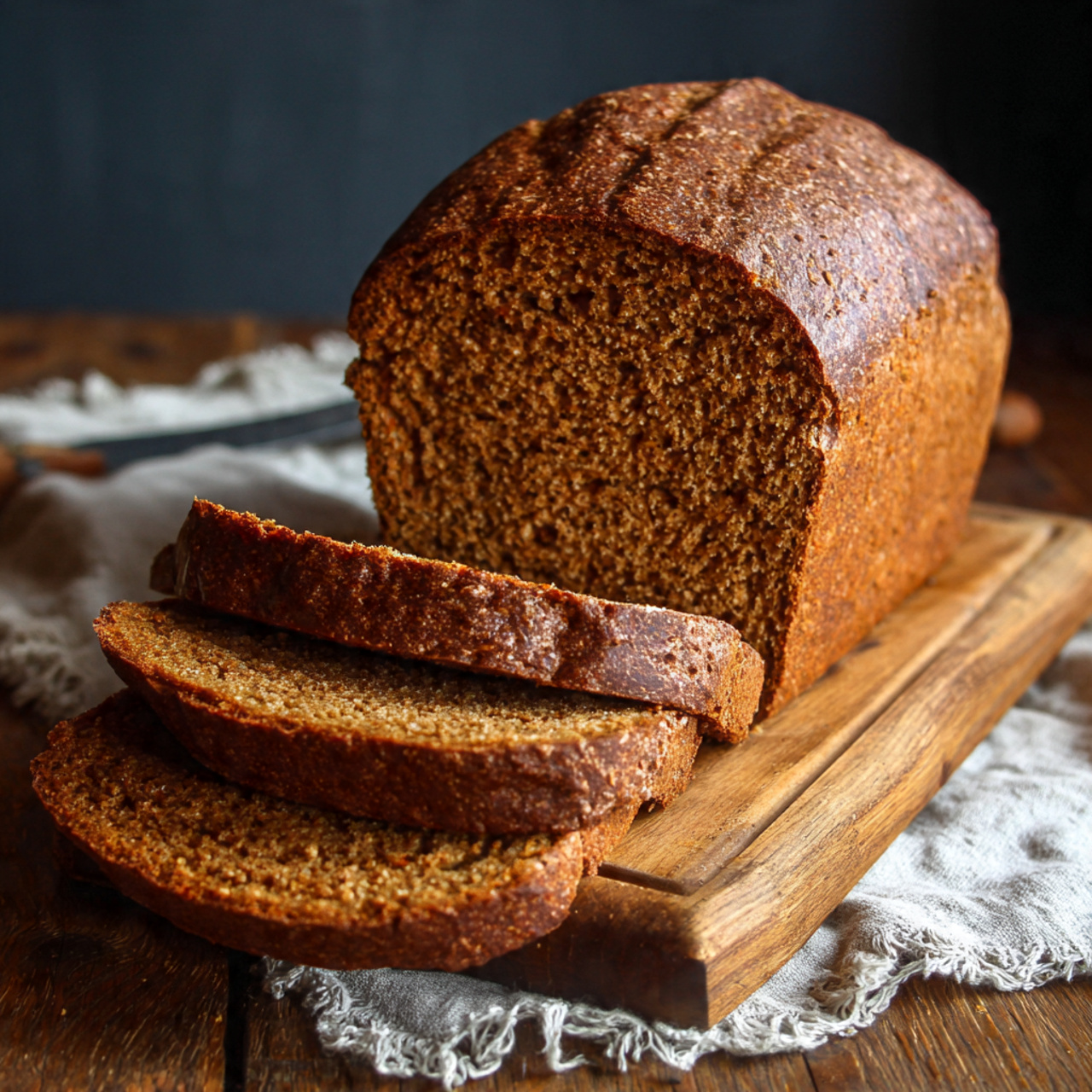
If you’ve been searching for the perfect lemon blueberry sourdough bread recipe, your quest ends here. This stunning artisan loaf combines the tangy complexity of traditional sourdough with the bright notes of fresh lemon and bursts of juicy blueberries. Whether you’re an experienced sourdough baker or just starting your fermentation journey, this recipe will become your new favorite way to showcase seasonal berries.
I still remember the first time I tasted lemon blueberry sourdough bread at a farmer’s market in Portland. The bakery vendor handed me a warm slice, and I was immediately transported by the way the tart blueberries played against the subtle sour notes of the naturally leavened dough, all brightened by that unmistakable lemon aroma. I knew I had to recreate it at home, and after dozens of test batches, I’ve perfected a formula that delivers bakery-quality results every single time.
What makes this lemon blueberry sourdough bread truly special is how the long fermentation process develops layers of flavor that quick breads simply can’t achieve. The active sourdough starter not only leavens the dough naturally but also breaks down the gluten, making it easier to digest while creating that signature open crumb structure we all love. When you add fresh blueberries and bright lemon zest to the equation, you get a bread that’s equally at home on the breakfast table slathered with butter or served alongside your afternoon tea.
This recipe yields two beautiful loaves with a crispy, golden crust and a tender, flavorful interior studded with blueberries that have been perfectly incorporated without turning your dough purple. The lemon provides just enough brightness to cut through the richness without overwhelming the natural sourdough tang.
Why You’ll Love This Recipe
Before we dive into the ingredients and method, here’s why this lemon blueberry sourdough bread deserves a spot in your regular baking rotation:
- Naturally leavened: No commercial yeast needed, just your active sourdough starter
- Balanced flavors: The trinity of sourdough tang, citrus brightness, and berry sweetness creates perfect harmony
- Impressive presentation: Beautiful to look at and even better to taste
- Versatile: Works as breakfast toast, sandwich bread, or dessert
- Healthier option: Sourdough fermentation increases nutrient availability and reduces phytic acid
- Make-ahead friendly: The long fermentation fits perfectly into a flexible schedule
Ingredients
For the Dough:
- 500g bread flour (about 4 cups), plus extra for dusting
- 100g whole wheat flour (about ¾ cup) – adds nutty depth
- 150g active sourdough starter (fed and at peak activity, about ⅔ cup)
- 400g water (about 1⅔ cups), room temperature
- 12g fine sea salt (about 2 teaspoons)
- 50g honey (about 2½ tablespoons) – enhances fermentation and adds subtle sweetness
- Zest of 2 large lemons (about 2 tablespoons), finely grated
- 2 tablespoons fresh lemon juice
- 250g fresh blueberries (about 2 cups), washed and thoroughly dried
- 2 tablespoons all-purpose flour (for coating the blueberries)
Optional Additions:
- 1 teaspoon vanilla extract – enhances the sweet notes
- 2 tablespoons poppy seeds – adds a delightful crunch and visual appeal

Step-by-Step Instructions
Step 1: Feed Your Sourdough Starter (8-12 Hours Before Mixing)
The foundation of exceptional lemon blueberry sourdough bread starts with a vigorous, active starter. Feed your starter at a 1:1:1 ratio (starter:flour:water) and let it rise until it has doubled in size and shows plenty of bubbles on top. You’ll know it’s ready when it passes the float test—a small spoonful should float in a glass of water.
Step 2: Prepare the Blueberries (30 Minutes Before Mixing)
This crucial step prevents your blueberries from bleeding into the dough and creating purple streaks. Pat your washed blueberries completely dry with paper towels, then toss them gently with 2 tablespoons of all-purpose flour. The flour coating creates a barrier that helps the berries stay intact during mixing and baking. Set them aside at room temperature.
Step 3: Autolyse (1 Hour)
In a large mixing bowl, combine the bread flour, whole wheat flour, and water. Mix with your hands or a wooden spoon until no dry flour remains. The dough will look shaggy and rough—this is perfect. Cover the bowl with a damp kitchen towel and let it rest for 60 minutes. This autolyse period allows the flour to fully hydrate and begins gluten development, which means less kneading later.
Step 4: Mix in Starter and Initial Ingredients (15 Minutes)
Add your active sourdough starter, honey, lemon zest, and lemon juice to the autolysed dough. Using wet hands, squeeze and fold the mixture together until fully incorporated. This takes about 5 minutes of consistent squeezing and folding. The dough will feel sticky and loose—resist the urge to add more flour. Let it rest for 30 minutes, then sprinkle the salt over the surface and incorporate it using the same squeezing and folding technique for another 5 minutes.
Step 5: Bulk Fermentation with Stretch and Folds (4-5 Hours)
Transfer your dough to a lightly oiled container or bowl. During the first 2 hours, perform a series of stretch and folds every 30 minutes (4 sets total). Here’s how:
- Wet your hands to prevent sticking
- Grab one side of the dough and stretch it up and over to the opposite side
- Rotate the bowl 90 degrees and repeat
- Continue until you’ve worked your way around all four sides
These gentle folds build strength without degassing the dough. After the fourth set, let the dough rest undisturbed for the remaining 2-3 hours. You’re looking for the dough to increase in size by about 50% and show visible air bubbles on the surface.
Step 6: Incorporate the Blueberries (10 Minutes)
This is where your lemon blueberry sourdough bread really comes to life. Turn your bulk-fermented dough out onto a lightly floured surface. Gently press it into a rectangle about 1 inch thick. Scatter half of your flour-coated blueberries across the surface. Fold the dough in thirds like a letter, then rotate 90 degrees and repeat with the remaining blueberries.
Gently perform a few coil folds to distribute the berries throughout without crushing them. Some will peek through the surface—this is beautiful and exactly what you want.
Step 7: Pre-Shape (20 Minutes Rest)
Divide the dough into two equal portions using a bench scraper. Shape each portion into a loose round by pulling the edges toward the center. Let these rounds rest on your work surface, seam-side down, covered with a towel for 20 minutes. This short rest allows the gluten to relax before final shaping.
Step 8: Final Shape
For each loaf, flip the dough round so the seam side is up. Gently shape into either a boule (round) or batard (oval) shape:
For a boule: Pull the edges to the center, creating tension on the bottom surface. Flip seam-side down and use cupped hands to drag the dough in small circles, tightening the surface.
For a batard: Fold the top third down, then the bottom third up. Roll the dough away from you, sealing the seam with the heel of your hand.
Step 9: Cold Retard (8-48 Hours)
Place your shaped loaves seam-side up in well-floured bannetons or bowls lined with floured kitchen towels. Cover with plastic wrap or a shower cap and refrigerate for at least 8 hours, up to 48 hours. This cold fermentation develops incredible depth of flavor and makes the dough much easier to score.
Step 10: Preheat and Prepare (1 Hour Before Baking)
Place your Dutch oven (with the lid on) or baking stone in the oven and preheat to 450°F (232°C). You want your baking vessel scorching hot to create maximum oven spring.
Step 11: Score and Bake (45-50 Minutes)
Remove one loaf from the refrigerator (keep the other cold until ready to bake). Turn it out onto a piece of parchment paper. Using a very sharp blade or bread lame held at a 45-degree angle, make one decisive slash about ½ inch deep across the top. You can create a simple cross pattern or an artistic design—the choice is yours.
Carefully transfer the dough (on the parchment) into your preheated Dutch oven. Cover with the lid and bake for 25 minutes. Remove the lid and continue baking for 20-25 minutes until the crust is deep golden brown and the internal temperature reads 205-210°F (96-99°C).
Step 12: Cool Completely (2+ Hours)
This might be the hardest step, but it’s essential. Transfer your lemon blueberry sourdough bread to a wire rack and resist cutting into it for at least 2 hours. The bread continues cooking internally during this time, and cutting too soon will result in a gummy texture. The cooling period also allows the flavors to fully develop and the crumb structure to set properly.

Pro Tips for the Perfect Lemon Blueberry Sourdough Bread
1. Temperature Matters More Than Time
Sourdough fermentation is driven by temperature, not the clock. In a warm kitchen (75-80°F), your bulk fermentation might only need 4 hours, while a cooler environment (65-70°F) could require 6-7 hours. Watch your dough, not the timer. Look for volume increase, doming on top, and visible bubbles around the edges.
2. Freeze Your Blueberries First (Optional Technique)
For an even distribution without any crushing, try freezing your dried, flour-coated blueberries for 30 minutes before incorporating them. They’ll stay firm during folding and will defrost during the bake, creating beautiful pockets of jammy fruit.
3. Use European-Style Butter for Serving
The higher fat content in European butter (82% vs. 80%) pairs exceptionally well with the bright acidity of this bread. Let a thick slice of toasted lemon blueberry sourdough bread cool just slightly, then spread it with cold, high-quality butter that will melt into the crumb.
4. Adjust Hydration for Your Flour
Different flour brands absorb water differently. If your dough feels unmanageably sticky even after the stretch and folds, reduce the water by 20-30g next time. If it feels tight and tears during shaping, add an extra 10-20g of water in your next bake.
5. Score with Confidence
A hesitant, shallow score won’t open properly. Hold your lame at a 45-degree angle and make one smooth, decisive cut about ½ inch deep. The speed and confidence of your scoring matters more than precision.
6. Create Steam for a Better Crust
If you’re not using a Dutch oven, create steam by placing a metal pan on the bottom rack and adding boiling water just before loading your bread. This initial steam keeps the crust flexible during oven spring, allowing maximum expansion.
7. Double-Check Your Starter Activity
Even if your starter looks bubbly, perform the float test before mixing your dough. An underactive starter is the number one reason sourdough doesn’t rise properly. Your lemon blueberry sourdough bread depends on a robust, active starter for proper fermentation.
Common Mistakes to Avoid
Using Underripe or Overripe Blueberries
Select firm, plump blueberries that are uniformly colored. Underripe berries will be too tart and won’t add the natural sweetness you want, while overripe berries will burst immediately and create purple streaks throughout your dough. Fresh is best, but frozen berries that have been completely thawed and thoroughly dried can work in a pinch.
Skipping the Flour Coating on Berries
I learned this lesson the hard way during my early attempts. Without the flour coating, blueberries release their juice during mixing and baking, creating an unevenly colored loaf and weighing down your crumb structure. Those two tablespoons of flour make all the difference.
Over-Kneading or Over-Folding
The beauty of sourdough is that time does most of the work for you. Over-manipulating the dough, especially after adding the blueberries, will crush the fruit and create a dense, tough texture. Gentle is the operative word throughout this entire process.
Baking Straight from the Fridge Without Proper Preheating
Your baking vessel needs to be thoroughly preheated—at least 45 minutes at temperature—to create the explosive oven spring that gives sourdough its characteristic height and open crumb. Don’t rush this step.
Cutting into the Bread Too Soon
I know the aroma is intoxicating, but cutting into hot bread releases too much steam, leaving you with a gummy, compressed interior. The two-hour cooling period isn’t optional—it’s part of the baking process. Use this time to clean your kitchen and build anticipation.
Not Adjusting for Humidity
On particularly humid days, your dough may feel slacker than usual even with the same measurements. Don’t panic. Reduce your water by 10-20g on humid days, or increase your stretch and fold sets to build extra strength.
Forgetting to Dry the Blueberries Thoroughly
Wet blueberries add extra moisture to your dough, which can throw off the hydration balance you’ve worked so carefully to achieve. After washing, spread them on paper towels and pat them completely dry—I mean bone dry—before coating with flour.

Storage and Serving Suggestions
Storage
Store your lemon blueberry sourdough bread at room temperature, cut side down on a cutting board, for up to 2 days. For longer storage, wrap it tightly in plastic wrap and keep it at room temperature for up to 5 days, though the crust will soften.
For extended storage, slice the bread and freeze individual slices in a freezer bag with parchment paper between each slice. Frozen slices can go directly into the toaster for a quick breakfast—they’ll toast beautifully and taste freshly baked.
Never store sourdough bread in the refrigerator. The cold temperature accelerates staling through a process called retrogradation, causing your bread to become stale much faster than if kept at room temperature.
Serving Suggestions
Breakfast:
- Toast thick slices and top with mascarpone cheese and a drizzle of honey
- Serve alongside Greek yogurt and fresh berries for a complete breakfast
- Make French toast—the tang of the sourdough creates an incredible depth of flavor
- Spread with cream cheese and lemon curd for a double-citrus experience
Lunch:
- Create a sophisticated sandwich with turkey, brie, and arugula
- Use as a base for bruschetta with ricotta, honey, and fresh basil
- Pair with a mixed green salad and balsamic vinaigrette
Snack or Dessert:
- Serve warm with clotted cream and lemon marmalade
- Toast and spread with almond butter and a sprinkle of sea salt
- Create a bread pudding with cream, eggs, and vanilla
- Make panzanella salad using day-old bread cubes
Entertaining:
- Arrange on a cheese board with soft cheeses like goat cheese or camembert
- Serve as part of a brunch spread alongside quiche and fresh fruit
- Offer with afternoon tea alongside cucumber sandwiches
- Present as a hostess gift wrapped in parchment paper and twine
Frequently Asked Questions
Can I use frozen blueberries instead of fresh?
Yes, you can use frozen blueberries, but with proper preparation. Thaw them completely, then spread them on paper towels and press gently to remove excess moisture. Pat them completely dry before coating with flour. Frozen berries contain more moisture than fresh, so expect them to release slightly more juice during baking. Some bakers actually prefer using frozen berries straight from the freezer during the lamination phase, as they hold their shape better during folding.
Why didn’t my bread rise properly?
There are several potential culprits. First, check your starter activity—it should have doubled in size and pass the float test before using. Second, consider your fermentation temperature; if your kitchen is too cold (below 65°F), fermentation will be sluggish. Third, evaluate your bulk fermentation time; the dough should increase by 50% and show bubbles. Finally, ensure you’re not over-proofing during the cold retard—while the dough can handle up to 48 hours, anything beyond that may result in exhausted yeast and poor oven spring.
Can I make this recipe in one day instead of overnight?
While the overnight cold retard develops superior flavor and makes scoring easier, you can absolutely make this bread in one day. After final shaping, let your loaves proof at room temperature for 2-3 hours until they pass the poke test (when you gently press the dough, the indentation should slowly spring back halfway). Bake immediately. The flavor won’t be quite as complex, but you’ll still get delicious lemon blueberry sourdough bread.
How do I know when my sourdough is fully baked?
The best indicator is internal temperature—your bread should register 205-210°F (96-99°C) when measured with an instant-read thermometer inserted into the center. Visually, the crust should be deep golden brown (don’t be afraid of color!), and when you tap the bottom of the loaf, it should sound hollow. If you’re unsure, it’s better to bake a few minutes longer than to pull it out too early.
Can I reduce the sugar or honey in this recipe?
The 50g of honey serves multiple purposes beyond sweetness—it feeds the yeast, helps with browning, and adds moisture to the crumb. You can reduce it to 30g if you prefer a less sweet bread, but I don’t recommend eliminating it entirely. The honey amount in this recipe is quite modest compared to enriched breads, and it doesn’t make the bread taste overtly sweet.
What if I don’t have a banneton for proofing?
A banneton (proofing basket) is helpful but not essential. Use a mixing bowl lined with a clean kitchen towel that’s been generously dusted with rice flour (which prevents sticking better than wheat flour). A colander lined with a towel also works beautifully and creates an attractive pattern on your loaf.
My blueberries all sank to the bottom. What happened?
This usually indicates that either your dough was under-fermented and too loose, or you incorporated the berries too early in the process. Make sure you’re adding the blueberries after bulk fermentation is complete, when the dough has developed sufficient strength. Also, ensure your berries are thoroughly dried and coated with flour—wet berries are heavier and more likely to sink.
Can I add other fruits or flavors?
Absolutely! This base recipe is very adaptable. Try raspberries instead of blueberries, or use orange zest in place of lemon for a different citrus profile. Dried cranberries work beautifully (no need for flour coating), as do chocolate chips. Fresh strawberries are trickier due to their high moisture content, but if you dice them small and dry them thoroughly, they can work.
Nutrition Information (Per Slice, Based on 20 Slices)
- Calories: 145
- Total Fat: 0.8g
- Saturated Fat: 0.1g
- Cholesterol: 0mg
- Sodium: 195mg
- Total Carbohydrates: 30g
- Dietary Fiber: 2g
- Sugars: 4g
- Protein: 5g
- Vitamin C: 4% DV
- Calcium: 1% DV
- Iron: 8% DV
Note: Nutrition values are approximate and will vary based on specific ingredients used and slice size.
Final Thoughts
There’s something magical about pulling a golden loaf of lemon blueberry sourdough bread from the oven, watching steam rise from its crusty surface, and knowing you created this beautiful, complex bread from just a few simple ingredients and the power of wild fermentation. This recipe represents the perfect marriage of traditional sourdough technique and creative flavor innovation.
The journey from mixing to first slice might span a day or two, but every moment of patience is rewarded with bread that simply cannot be replicated by commercial bakeries or quick-bread shortcuts. The depth of flavor from long fermentation, the interplay of tart berries and bright lemon against the subtle sourdough tang, and the satisfaction of mastering an artisan skill—these are the rewards of baking real sourdough.
Whether you’re serving this at a weekend brunch, gifting it to a friend, or simply treating yourself to the finest toast you’ve ever experienced, this lemon blueberry sourdough bread will become a treasured part of your baking repertoire. Don’t be surprised when people start requesting it by name or showing up hopefully around your usual baking day.
Now, feed that starter, gather your ingredients, and prepare to fill your kitchen with the most wonderful aroma imaginable. Your perfect loaf of lemon blueberry sourdough bread awaits!
Happy baking!
Print
Lemon Blueberry Sourdough Bread Recipe: A Burst of Flavor in Every Slice
This lemon blueberry sourdough bread combines artisan baking with bright, fruity flavors. Naturally leavened with sourdough starter, studded with juicy blueberries, and infused with fresh lemon zest, this bread delivers a tender crumb, crispy crust, and irresistible aroma. Perfect for breakfast toast, sandwiches, or enjoying on its own.
- Total Time: 18-24 hours (including fermentation and proofing)
- Yield: 2 loaves
Ingredients
- 500g bread flour, plus extra for dusting
- 100g whole wheat flour
- 150g active sourdough starter
- 400g water, room temperature
- 12g fine sea salt
- 50g honey
- Zest of 2 large lemons
- 2 tablespoons fresh lemon juice
- 250g fresh blueberries
- 2 tablespoons all-purpose flour (for coating berries)
Instructions
- Feed starter: 8-12 hours before mixing, feed your sourdough starter and let it reach peak activity
- Prepare blueberries: Wash, dry thoroughly, and toss with 2 tablespoons flour
- Autolyse: Mix bread flour, whole wheat flour, and water; rest 60 minutes
- Mix: Add starter, honey, lemon zest, and juice; incorporate fully; rest 30 minutes; add salt
- Bulk fermentation: Perform 4 sets of stretch and folds over 2 hours, then rest 2-3 hours until dough increases 50%
- Add berries: Gently incorporate flour-coated blueberries
- Pre-shape: Divide into 2 portions, shape into rounds, rest 20 minutes
- Final shape: Shape into boules or batards
- Cold retard: Proof in bannetons in refrigerator 8-48 hours
- Preheat: Heat Dutch oven to 450°F for 1 hour
- Score and bake: Score loaf, bake covered 25 minutes, uncovered 20-25 minutes until internal temp reaches 205-210°F
- Cool: Rest on wire rack for 2+ hours before slicing
Notes
- Fresh blueberries work best, but frozen can be used if completely thawed and dried
- Flour coating on berries prevents purple streaks
- Dough can proof in refrigerator up to 48 hours for deeper flavor
- Bread freezes excellently when sliced
- Use rice flour in banneton for easiest release
- Prep Time: 30 minutes (active time)
- Cook Time: 45-50 minutes
- Category: Desserts
- Method: Baking
- Cuisine: American
- Diet: Gluten-Free






2 Comments
[…] Italian Limoncello is the sun-drenched essence of Southern Italy captured in a bottle—a vibrant, intensely lemony liqueur that embodies the spirit of the Amalfi Coast in every […]
[…] the years, I’ve found a few small tricks that make this red velvet birthday cake even […]
Comments are closed.