
Chicken Parmesan Hearts Recipe: Perfect for 4 Servings!

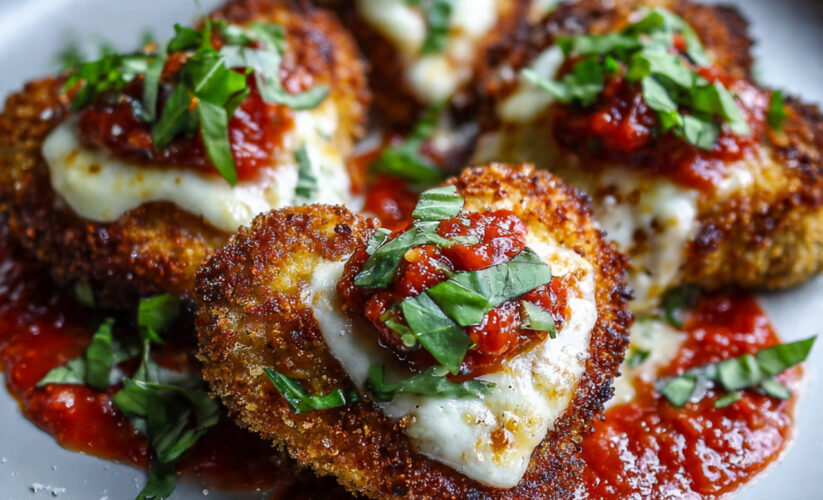
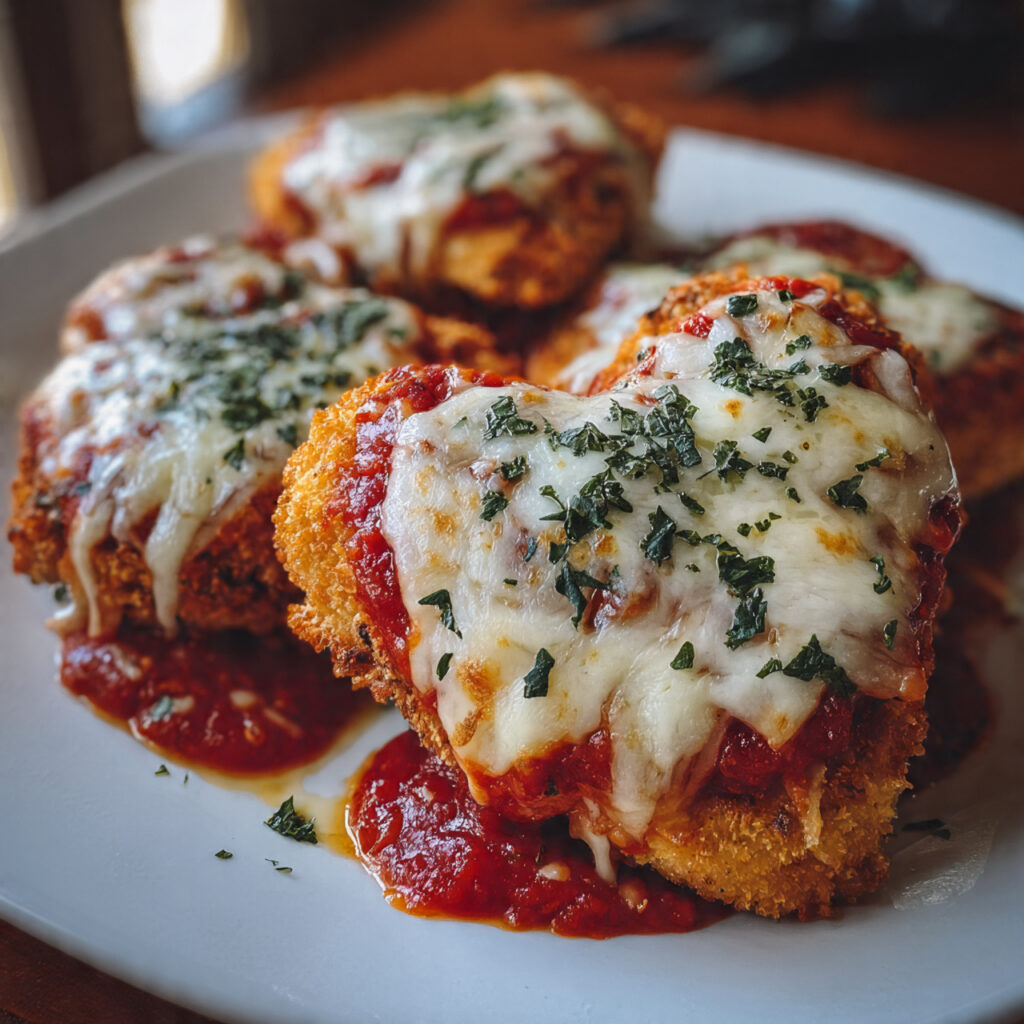
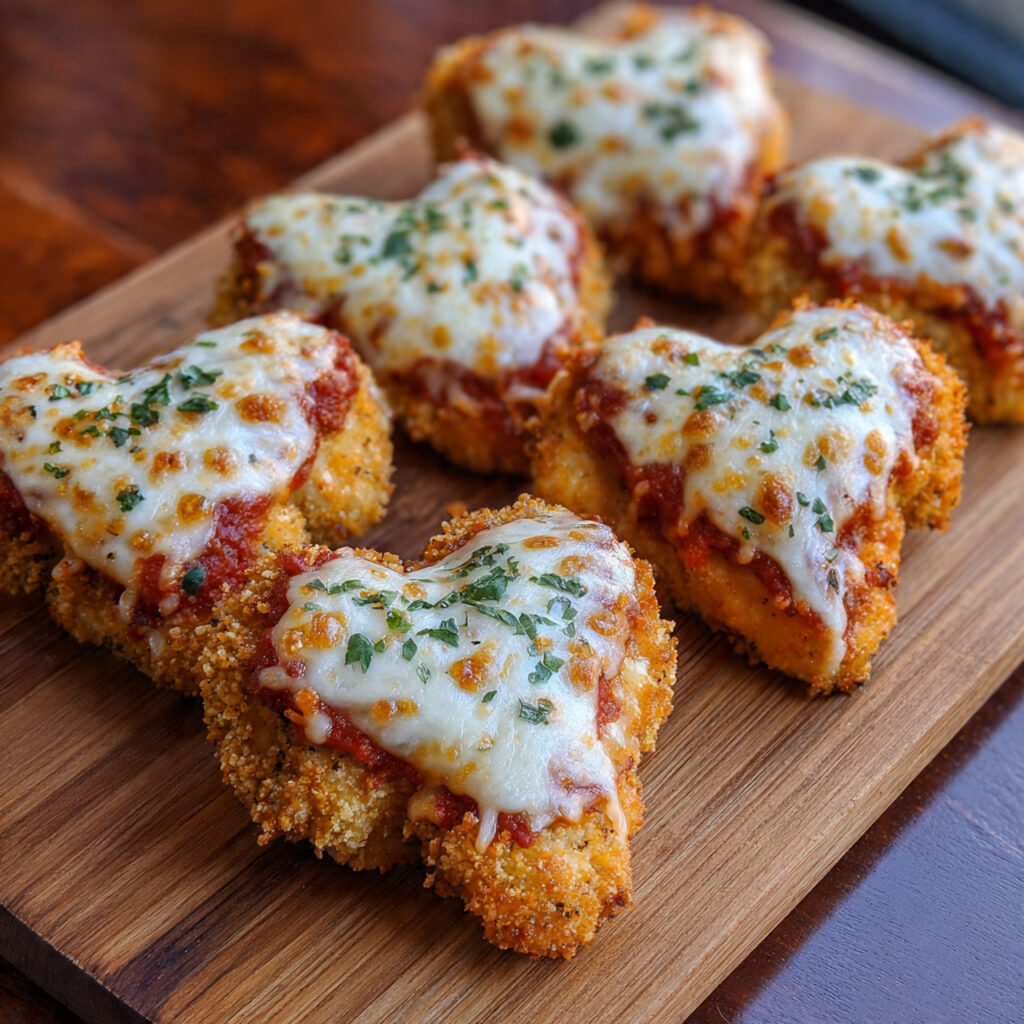
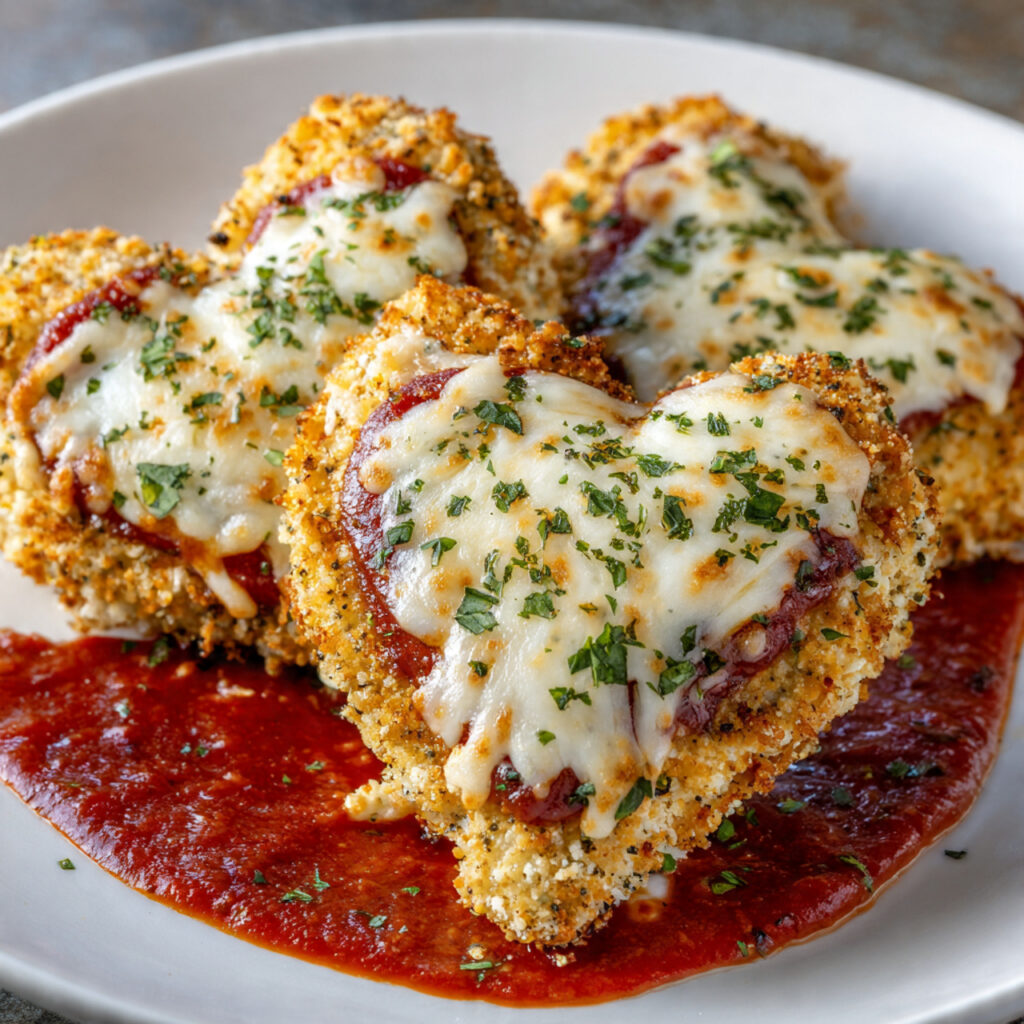
Chicken Parmesan Hearts take the beloved Italian-American classic and transform it into something truly special—tender chicken cutlets shaped into hearts, coated in golden breadcrumbs, smothered with marinara sauce and melted mozzarella cheese. These adorable heart-shaped cutlets aren’t just for Valentine’s Day; they’re perfect any time you want to show someone you care through food, turning an ordinary weeknight into something memorable.
I’ll never forget the first time I made these Chicken Parmesan Hearts. It was our fifth anniversary, and I wanted to cook something special but didn’t have hours to spend in the kitchen. The idea struck me while cutting out sugar cookies with my daughter—why not use a heart-shaped cookie cutter on chicken? The result was so charming that my husband took about fifty photos before we could actually eat dinner. Now it’s become our tradition for every anniversary and Valentine’s Day.
What makes these Chicken Parmesan Hearts so irresistible is how they combine nostalgia with novelty. Everyone loves chicken parmesan—it’s comfort food at its finest. But the heart shape elevates it from everyday dinner to “I made this especially for you” territory. The crispy coating, tangy marinara, and gooey cheese remain the same delicious flavors you expect, just packaged in a more thoughtful presentation.
These hearts work beautifully for romantic dinners, anniversaries, Valentine’s Day, or even as a fun way to get kids excited about dinner. They’re surprisingly easy to make despite looking like they required professional culinary skills.
Why This Chicken Parmesan Hearts Recipe Works
The foundation of exceptional Chicken Parmesan Hearts is properly prepared chicken cutlets. Thin, even cutlets cook quickly and evenly, preventing the outside from burning before the inside is done. The heart shape isn’t just cute—it’s also practical because hearts have no sharp corners that tend to overcook or burn.
This recipe uses a three-step breading process that creates an incredibly crispy coating that stays crunchy even under the sauce and cheese. The flour helps the egg adhere, the egg helps the breadcrumbs stick, and the breadcrumbs create that signature golden crust that makes chicken parmesan irresistible.
The key to these Chicken Parmesan Hearts is the order of operations. Pan-frying the chicken first ensures the coating gets perfectly crispy. Then a brief stint in the oven with sauce and cheese finishes the cooking while melting everything together. This two-step approach delivers the best texture—crispy bottom, tender chicken, melted cheese on top.
The heart shape also means more surface area for that delicious crispy coating compared to round cutlets. More edges mean more of those golden, crunchy bits everyone fights over. It’s the best part of chicken parmesan, multiplied.
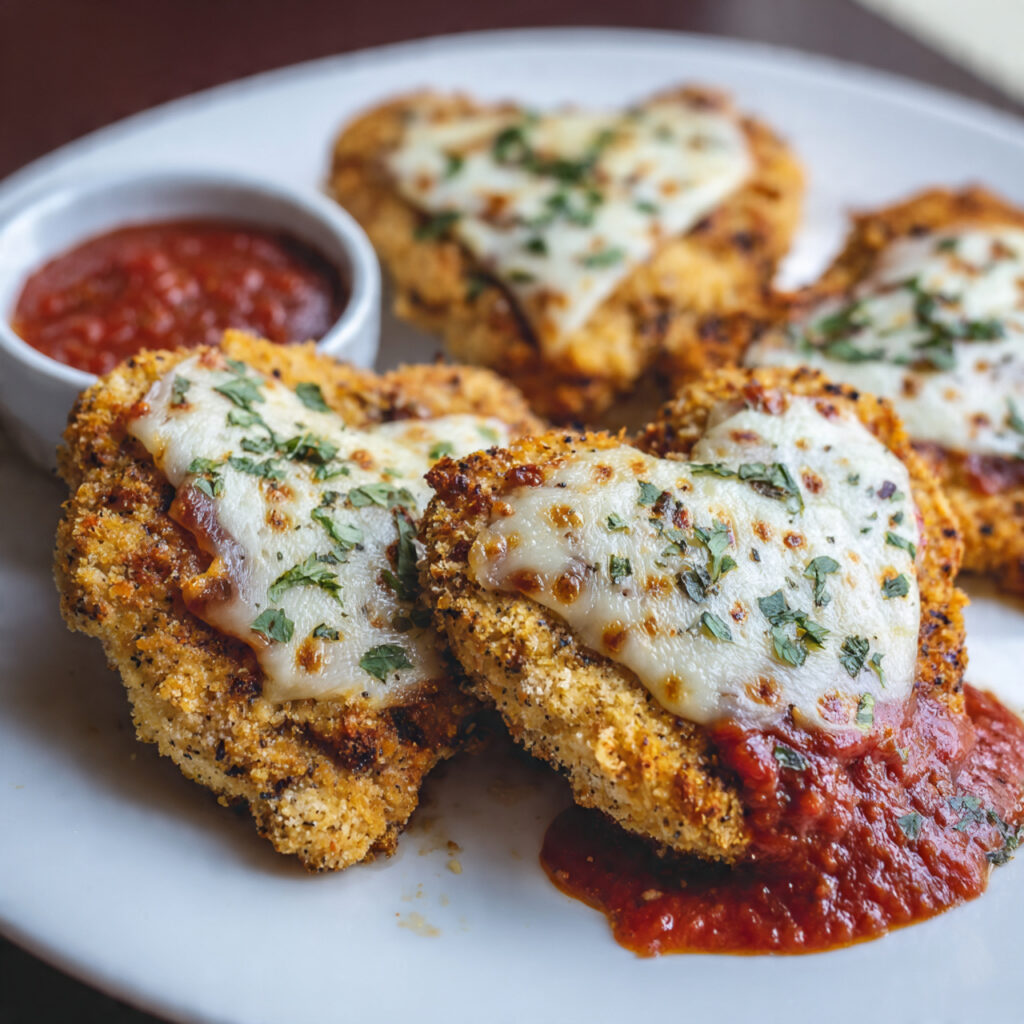
Ingredients for Perfect Chicken Parmesan Hearts
For the Chicken:
- 2 large boneless, skinless chicken breasts (about 1.5 pounds total)
- 1 cup all-purpose flour
- 2 large eggs
- 2 tablespoons milk
- 1 1/2 cups Italian-seasoned breadcrumbs
- 1/2 cup grated Parmesan cheese
- 1 teaspoon garlic powder
- 1 teaspoon Italian seasoning
- 1/2 teaspoon salt
- 1/4 teaspoon black pepper
- 1/4 teaspoon paprika
- 1/3 cup olive oil for frying
For the Topping:
- 1 1/2 cups marinara sauce (homemade or quality jarred)
- 1 1/2 cups shredded mozzarella cheese
- 1/4 cup grated Parmesan cheese
- Fresh basil leaves for garnish
- Red pepper flakes (optional)
For Serving:
- Cooked pasta (spaghetti or angel hair)
- Extra marinara sauce
- Garlic bread
- Caesar salad
Ingredient Notes:
Chicken Quality: Use fresh, not frozen chicken breasts for best texture. Look for breasts that are similar in size so your Chicken Parmesan Hearts will be uniform. Organic or free-range chicken has superior flavor and texture.
Breadcrumb Choice: Italian-seasoned breadcrumbs simplify the recipe, but you can use plain breadcrumbs and add extra Italian seasoning. Panko breadcrumbs create an extra-crispy coating—use half regular, half panko for the best of both worlds.
Cheese Selection: Fresh mozzarella is delicious but releases more moisture than low-moisture mozzarella. For these Chicken Parmesan Hearts, use low-moisture mozzarella that melts beautifully without making everything watery. Freshly grated Parmesan tastes infinitely better than pre-grated.
Marinara Sauce: Quality matters here. A good jarred sauce like Rao’s saves time without sacrificing flavor. Homemade marinara is wonderful if you have time. Avoid watery sauces—you want thick, flavorful sauce that clings to the chicken.
Oil for Frying: Olive oil provides the best flavor for Italian dishes. Use regular olive oil, not extra-virgin, which has a lower smoke point and can burn. Vegetable oil works but lacks the flavor that makes these Chicken Parmesan Hearts special.
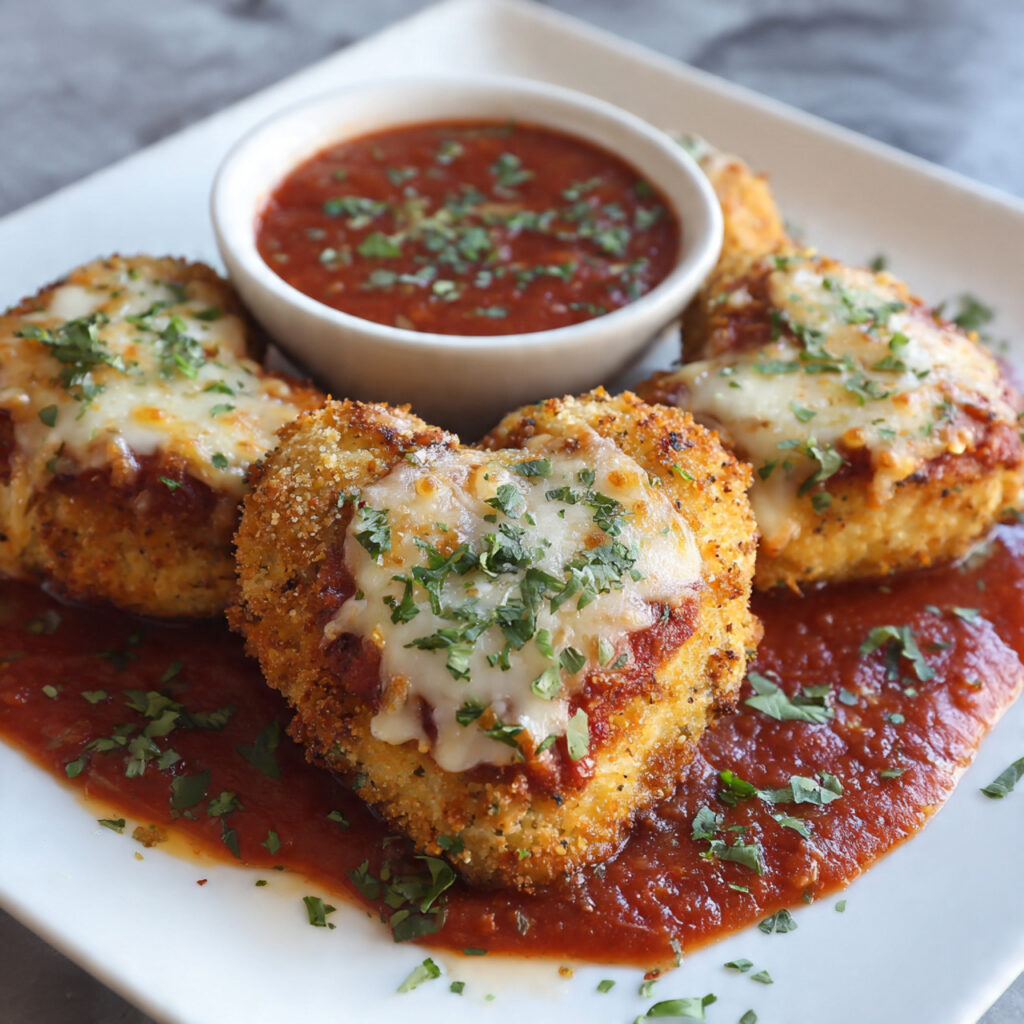
Step-by-Step Instructions for Chicken Parmesan Hearts
Step 1: Prepare the Chicken (10 minutes)
Place chicken breasts on a cutting board. If they’re very thick (more than 3/4 inch), butterfly them by slicing horizontally through the middle, opening like a book. Place chicken between two pieces of plastic wrap or in a large zip-top bag.
Using a meat mallet or rolling pin, pound the chicken to an even 1/2-inch thickness throughout. Uniform thickness is crucial for even cooking and makes cutting out heart shapes easier. The chicken should be thin but not so thin it tears.
Using a large heart-shaped cookie cutter (about 3-4 inches), press firmly through the chicken to cut out heart shapes. You should get 2-3 hearts per breast, depending on size. Save the scraps for another use—they’re great for stir-fries or chicken salad.
Pat the chicken hearts completely dry with paper towels. Moisture prevents the breading from adhering properly, so this step is essential for crispy Chicken Parmesan Hearts.
Step 2: Set Up the Breading Station (5 minutes)
Prepare three shallow bowls or plates for your breading station. In the first, place the flour seasoned with a pinch of salt and pepper.
In the second bowl, whisk together the eggs and milk until well combined. The milk thins the egg slightly, creating a better coating that helps the breadcrumbs adhere.
In the third bowl, combine the breadcrumbs, grated Parmesan cheese, garlic powder, Italian seasoning, salt, pepper, and paprika. Mix thoroughly with a fork to distribute the seasonings evenly. The Parmesan in the breading adds incredible flavor and helps the coating brown beautifully.
Line up your station: flour, egg mixture, breadcrumbs, and a clean plate for the breaded chicken. This assembly line approach makes the process smooth and prevents your hands from becoming hopelessly coated in breading.
Step 3: Bread the Chicken Hearts (8 minutes)
Working with one chicken heart at a time, dredge it in the flour, coating both sides and shaking off excess. The flour creates a dry surface that helps the egg stick.
Dip the floured chicken into the egg mixture, turning to coat completely. Let excess egg drip off—too much egg creates a gummy coating instead of a crispy one.
Press the chicken into the breadcrumb mixture, coating both sides thoroughly. Press firmly to ensure the breadcrumbs adhere well. Flip and press again. The coating should be even and substantial—this becomes the crispy crust on your Chicken Parmesan Hearts.
Place the breaded chicken heart on a clean plate. Repeat with remaining chicken. Let the breaded hearts rest for 5-10 minutes before frying. This resting time allows the breading to set, reducing the chance it will fall off during cooking.
Step 4: Pan-Fry the Chicken (12 minutes)
Preheat your oven to 375°F. Heat the olive oil in a large oven-safe skillet over medium-high heat. The oil should be about 1/4 inch deep—enough to come halfway up the chicken for proper frying.
Test the oil temperature by dropping in a pinch of breadcrumbs. If they sizzle immediately, the oil is ready. Carefully place the chicken hearts in the pan, leaving space between them. Don’t crowd—cook in batches if necessary.
Fry for 3-4 minutes on the first side without moving them. You want a deep golden-brown crust to form. Peek under one edge—when it’s golden, it’s time to flip.
Flip carefully using tongs or a spatula and cook another 3-4 minutes on the second side until equally golden. The chicken should be nearly cooked through but doesn’t need to be completely done—it finishes in the oven.
Transfer the fried Chicken Parmesan Hearts to a paper towel-lined plate briefly to drain excess oil, then arrange them in a clean oven-safe baking dish.
Step 5: Add Sauce and Cheese (3 minutes)
Spoon marinara sauce over each chicken heart. You want generous coverage but not so much that the crispy coating becomes soggy. About 2-3 tablespoons per heart is perfect.
Sprinkle shredded mozzarella cheese generously over each sauced chicken heart. The cheese should cover the surface, melting down into the sauce. Add a final sprinkle of grated Parmesan over the mozzarella for extra flavor and beautiful browning.
If using an oven-safe skillet, you can skip transferring and just add sauce and cheese directly to the pan with the fried chicken. This saves dishes and keeps the crispy bottom intact.
Step 6: Bake to Perfection (12 minutes)
Place the baking dish (or skillet) in the preheated 375°F oven. Bake for 10-12 minutes until the cheese is melted, bubbly, and starting to brown in spots. The chicken should reach an internal temperature of 165°F.
Watch closely during the final few minutes. The cheese can go from perfectly melted to overly browned quickly. You want golden spots but not burnt cheese.
Remove from the oven and let rest for 3-5 minutes before serving. This brief rest allows the juices to redistribute through the chicken, keeping every bite moist and tender.
Step 7: Garnish and Serve
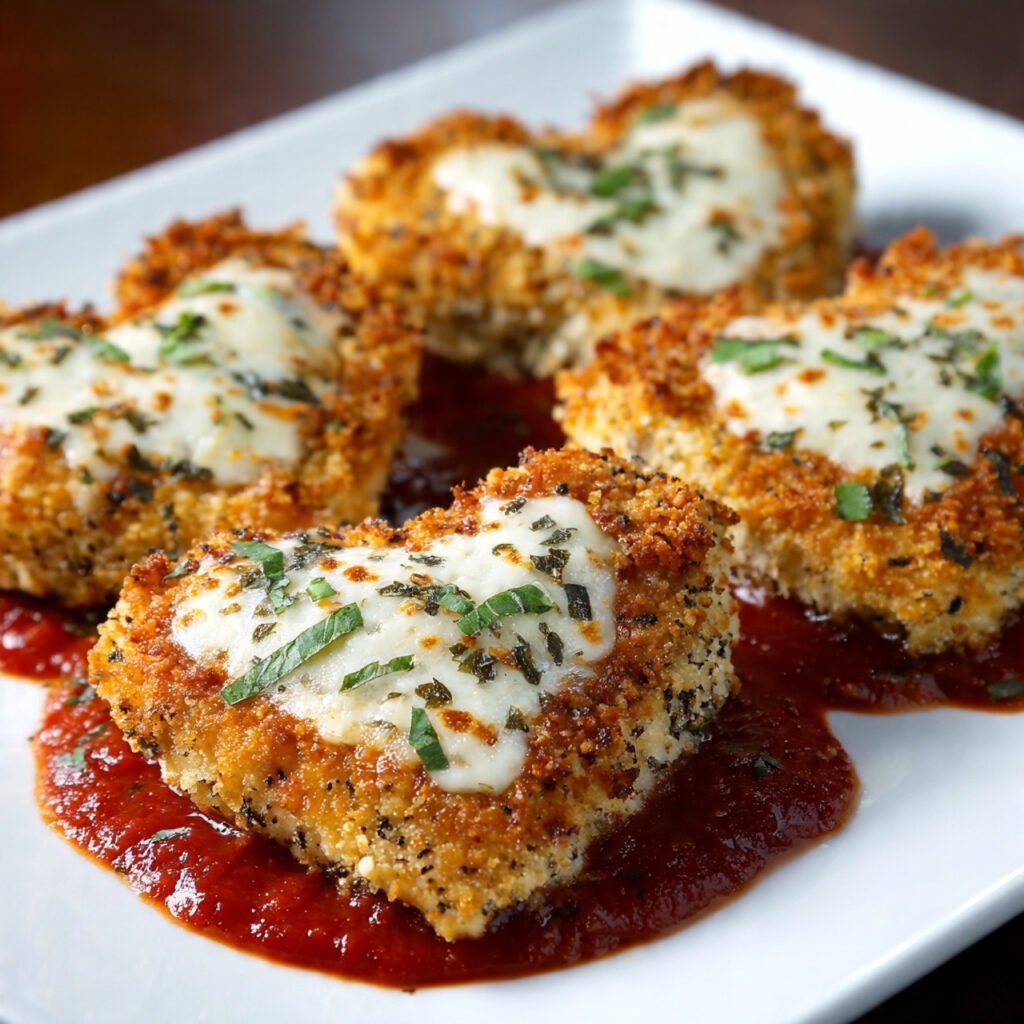
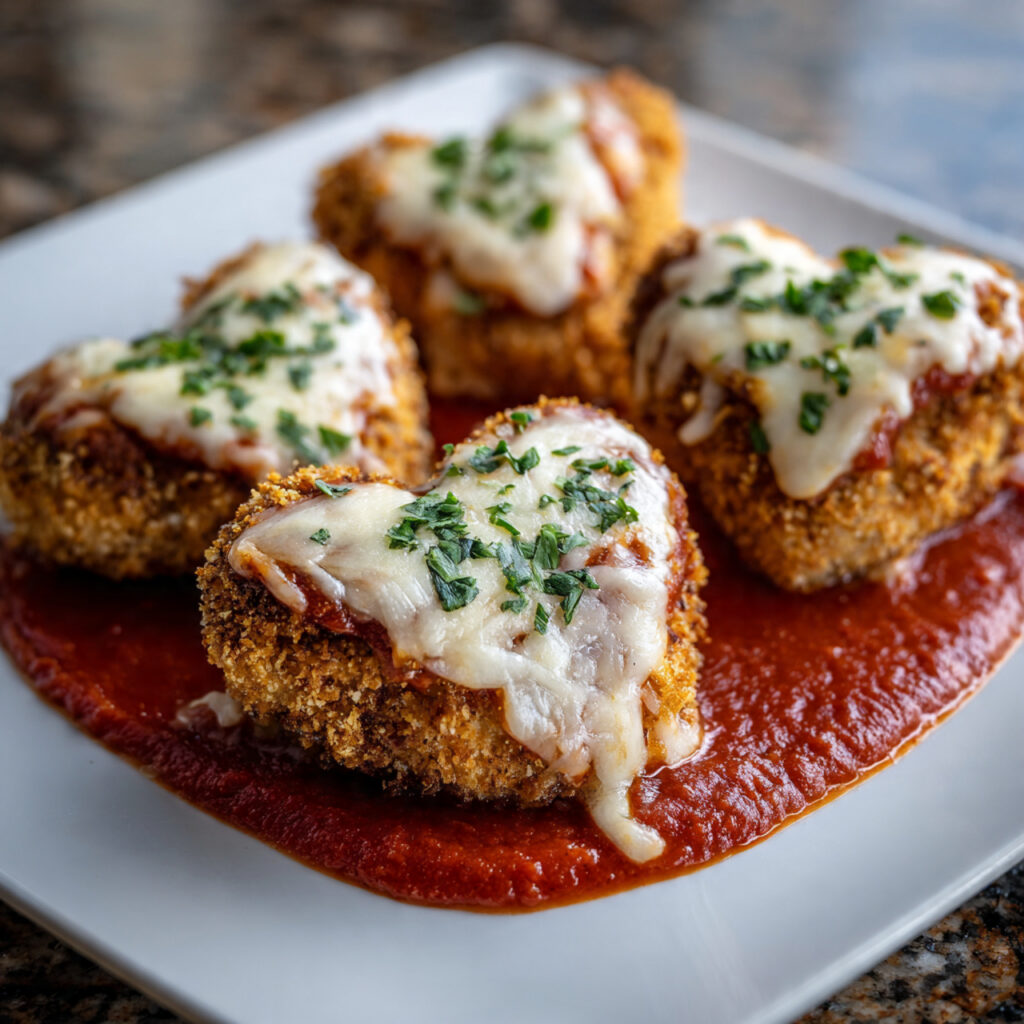
Transfer the Chicken Parmesan Hearts to serving plates or a platter. Garnish with torn fresh basil leaves for color, flavor, and authentic Italian appeal. A light dusting of grated Parmesan and a sprinkle of red pepper flakes (if you like heat) complete the presentation.
Serve immediately while the cheese is still melty and the coating retains its crispness. These Chicken Parmesan Hearts wait for no one—they’re best enjoyed hot from the oven.
Pro Tips for Perfect Chicken Parmesan Hearts
Getting Even, Thin Cutlets
The secret to perfectly cooked Chicken Parmesan Hearts is starting with chicken of uniform thickness. Thick spots will be undercooked when thin areas are done, creating food safety concerns and texture issues.
Pound the chicken firmly but not aggressively. You’re aiming to flatten and even it out, not pulverize it into submission. Work from the center outward in all directions to create an even thickness throughout.
If your chicken is extremely thick, butterflying it first makes pounding easier and more effective. You’ll get larger, thinner cutlets that are perfect for cutting into heart shapes.
Achieving Maximum Crispiness
For the crispiest Chicken Parmesan Hearts, make sure your oil is hot enough before adding chicken. Too-cool oil creates greasy, soggy coating instead of crispy, golden crust.
Don’t move the chicken while it’s frying. Let it sit undisturbed until a proper crust forms—usually 3-4 minutes. Trying to flip too early can tear the coating and leave it stuck to the pan.
Add sauce and cheese strategically. Heavy-handed saucing turns crispy chicken soggy. Use enough for flavor but not so much that it drowns the coating. Leave the edges relatively sauce-free so some crispy coating remains exposed.
Make-Ahead and Freezing Options
These Chicken Parmesan Hearts are excellent for advance preparation. Bread the chicken cutlets up to 24 hours ahead and refrigerate on a plate covered with plastic wrap. Fry when ready to serve.
For longer storage, freeze breaded uncooked chicken hearts in a single layer on a baking sheet until solid, then transfer to freezer bags. They keep for up to 3 months. Fry directly from frozen, adding 2-3 minutes to the cooking time.
Fully cooked Chicken Parmesan Hearts can be frozen too, though the coating won’t be quite as crispy when reheated. Cool completely, wrap individually, and freeze for up to 2 months. Reheat in a 350°F oven until hot.
Serving Chicken Parmesan Hearts for Entertaining
When making these for guests, prep everything in advance. Cut and pound the chicken in the morning. Set up your breading station. Even bread the chicken ahead if you like—just keep refrigerated.
Fry the chicken right before guests arrive and keep warm in a 200°F oven. Add the sauce and cheese just before serving and finish in the oven. This way, you serve hot, fresh Chicken Parmesan Hearts without spending all evening in the kitchen.
For a beautiful presentation, serve on a large platter with pasta, garnish dramatically with fresh basil, and let guests help themselves family-style. It’s impressive yet low-stress.
Flavor Variations to Try
Spicy Chicken Parmesan Hearts: Add 1/2 teaspoon cayenne to the breadcrumb mixture and use spicy marinara sauce. Top with sliced jalapeños before adding cheese.
Pesto Chicken Parmesan Hearts: Spread a thin layer of pesto under the marinara sauce for an extra flavor dimension that’s incredible.
Caprese Chicken Parmesan Hearts: Use fresh mozzarella slices, add tomato slices, and finish with balsamic glaze after baking for a Caprese-inspired twist.
Four Cheese Chicken Parmesan Hearts: Mix mozzarella, provolone, fontina, and Parmesan for an ultra-cheesy version that’s absolutely decadent.
Common Mistakes to Avoid with Chicken Parmesan Hearts
Mistake #1: Not Pounding the Chicken Evenly
Uneven chicken is the most common mistake that ruins Chicken Parmesan Hearts. Thick spots stay raw while thin areas dry out and overcook. This creates food safety concerns and disappointing texture.
Take time to pound the chicken to a consistent 1/2-inch thickness throughout. Check by eye and feel—run your hand over the surface to detect any thick spots you missed.
If you don’t have a meat mallet, use a heavy skillet or rolling pin. The tool doesn’t matter—consistent thickness does.
Mistake #2: Wet Chicken Before Breading
Moisture is the enemy of crispy breading. If you rinse the chicken or it’s still damp from the package, the coating won’t adhere properly and will slide off during cooking.
Always pat chicken completely dry with paper towels before breading. Spend an extra minute on this step—it makes the difference between coating that sticks beautifully and coating that falls off in the pan.
If you washed your chicken (which food safety experts don’t recommend anymore), let it air-dry for 10 minutes after patting with towels before proceeding with these Chicken Parmesan Hearts.
Mistake #3: Skipping the Resting Time After Breading
Breaded chicken that goes straight into hot oil often loses its coating. The breading needs a few minutes to set and bond with the chicken.
After breading, let the Chicken Parmesan Hearts rest for 5-10 minutes before frying. This allows the coating to adhere more firmly, dramatically reducing the chance it will fall off during cooking.
If you’re in a rush, even 2-3 minutes of rest time helps. But 10 minutes is ideal for the most secure coating.
Mistake #4: Frying at Wrong Temperature
Oil that’s not hot enough creates greasy, soggy chicken that absorbs oil like a sponge. Oil that’s too hot burns the outside before the inside cooks through.
Test the oil temperature before adding chicken. Drop in a breadcrumb—it should sizzle immediately but not burn. Medium-high heat is usually perfect, but stoves vary.
Maintain consistent temperature by not overcrowding the pan. Too much cold chicken drops the oil temperature dramatically. Cook in batches if necessary for perfect Chicken Parmesan Hearts.
Mistake #5: Using Too Much Sauce
More is not better when it comes to sauce on breaded chicken. Heavy-handed saucing turns your crispy coating into a soggy mess within minutes.
Use 2-3 tablespoons of sauce per chicken heart—enough for flavor and moisture but not enough to drown the breading. Leave the edges relatively sauce-free so some crispy coating remains.
Apply sauce strategically rather than pouring it on. Spoon it onto the center of each heart and let it spread naturally.
Mistake #6: Overbaking
Once you add sauce and cheese, these Chicken Parmesan Hearts only need 10-12 minutes in the oven. They’re already mostly cooked from frying and just need the cheese melted and everything heated through.
Overbaking dries out the chicken and can burn the cheese. Set a timer and check at 10 minutes. The cheese should be melted and bubbly—that’s your cue to remove from the oven.
Remember that food continues cooking briefly after leaving the oven. Slightly under is better than over with chicken parmesan.
Storage and Serving Suggestions for Chicken Parmesan Hearts
Proper Storage Methods
Store leftover Chicken Parmesan Hearts in an airtight container in the refrigerator for up to 3 days. Layer them with parchment paper between to prevent sticking.
The coating will soften during storage—this is inevitable with breaded, sauced dishes. Reheating in the oven helps restore some crispness, but they won’t be quite as crispy as fresh.
For best results, store the components separately if you’re planning leftovers. Keep fried chicken separate from sauce and cheese, assembling only what you’ll eat immediately. This preserves the coating better.
Reheating for Best Results
Oven Method (Best): Place Chicken Parmesan Hearts on a baking sheet in a 350°F oven for 15-20 minutes until heated through. This restores some crispness to the coating.
Air Fryer Method: For the crispiest reheated chicken, use an air fryer at 350°F for 8-10 minutes. The circulating air re-crisps the coating beautifully.
Microwave Method (Fastest but Soggiest): Microwave on 50% power for 2-3 minutes until hot. The coating will be soft, but it’s quick for weekday lunches.
Never reheat Chicken Parmesan Hearts more than once. The quality degrades significantly with each reheating cycle.
Serving Suggestions for Different Occasions
Romantic Valentine’s Dinner: Serve Chicken Parmesan Hearts over angel hair pasta with marinara, alongside Caesar salad and garlic bread. Light candles, pour wine, and enjoy the ambiance.
Family Dinner: Make a larger batch and serve with spaghetti, green beans, and garlic bread. Kids love the heart shape and familiar chicken parmesan flavors.
Anniversary Celebration: Present on individual plates with a small portion of pasta, roasted asparagus, and a drizzle of aged balsamic vinegar. Elegant restaurant-quality presentation at home.
Casual Date Night: Serve the Chicken Parmesan Hearts over a bed of mixed greens for a lighter, salad-based meal. Add cherry tomatoes, olives, and Italian dressing.
Italian Feast: Make these the protein centerpiece of a multi-course Italian meal with antipasto, soup, salad, pasta, and tiramisu for dessert.
Pairing Suggestions
Italian red wine is classic with chicken parmesan. Chianti, Montepulciano, or Sangiovese all pair beautifully with the tomato sauce and cheese.
For white wine lovers, Pinot Grigio provides crisp acidity that cuts through the richness. A dry rosé also works wonderfully.
Non-alcoholic options include Italian sparkling water with lemon, San Pellegrino, or a simple iced tea with lemon. The acidity complements the rich, cheesy chicken.
Beer drinkers should choose Italian lagers or light ales that won’t overpower the subtle flavors in these Chicken Parmesan Hearts.
Frequently Asked Questions About Chicken Parmesan Hearts
Can I bake instead of frying the chicken?
Yes, though the texture won’t be quite as crispy. Place breaded chicken hearts on a wire rack over a baking sheet. Spray generously with cooking spray. Bake at 400°F for 20-25 minutes, flipping halfway through.
Once browned, add sauce and cheese and continue baking at 375°F for 10-12 minutes. The result is lighter and less greasy but not as crispy as pan-fried Chicken Parmesan Hearts.
For crispier baked chicken, use panko breadcrumbs and spray multiple times with oil during baking.
What if I don’t have a heart-shaped cookie cutter?
No problem! Use a sharp knife to cut heart shapes freehand. Draw a heart template on paper first if you need guidance. The shape doesn’t have to be perfect—slightly irregular hearts are charming and homemade-looking.
Alternatively, make these as regular round or oval cutlets. The flavor remains the same, just without the special heart presentation.
Small heart-shaped cookie cutters are inexpensive and available at most kitchen stores or online. They’re worth having for these Chicken Parmesan Hearts and other fun recipes.
Can I use chicken thighs instead of breasts?
Absolutely! Boneless, skinless chicken thighs work beautifully in this recipe. They’re more forgiving than breasts because their higher fat content keeps them moist even if slightly overcooked.
Pound the thighs to even thickness just like breasts. They may need 1-2 extra minutes of frying time since thighs are slightly denser. The result is incredibly juicy, flavorful Chicken Parmesan Hearts.
Thighs are also more affordable than breasts, making this recipe more budget-friendly.
How do I keep the breading from falling off?
Several factors prevent coating from adhering. First, make sure chicken is completely dry before breading. Second, press the breadcrumbs firmly onto the chicken—don’t just sprinkle them on.
Let breaded chicken rest 5-10 minutes before frying so the coating sets. Make sure your oil is hot enough—too-cool oil causes coating to slide off rather than crisp up.
Finally, don’t move the chicken around in the pan. Let it sit undisturbed until a crust forms, then flip once. These Chicken Parmesan Hearts need patience for the best coating.
Can I make these gluten-free?
Yes! Use gluten-free flour and gluten-free breadcrumbs. Many brands make excellent Italian-seasoned gluten-free breadcrumbs that work perfectly in this recipe.
The texture is slightly different but still delicious. Gluten-free breadcrumbs sometimes create a slightly sandier texture than regular breadcrumbs.
Make sure your marinara sauce is gluten-free too—most are, but always check labels. With these substitutions, you can enjoy Chicken Parmesan Hearts even with dietary restrictions.
Why is my cheese not melting properly?
Several causes create this problem. Most common: the oven isn’t hot enough or the cheese is pre-shredded with anti-caking agents that prevent proper melting.
Use low-moisture mozzarella and shred it yourself for best melting. Pre-shredded cheese contains cellulose that inhibits melting.
Make sure your oven is fully preheated to 375°F. If cheese still doesn’t melt well, turn on the broiler for the final 1-2 minutes, watching carefully to prevent burning.
How do I prevent the chicken from drying out?
Don’t overcook! Chicken breasts dry out quickly when cooked past 165°F. Use an instant-read thermometer to check—remove from oven when the thickest part reaches 165°F.
The rest period after baking allows juices to redistribute, keeping chicken moist. Don’t skip this step.
Starting with properly pounded, even chicken prevents dry spots. And using enough sauce helps keep the surface moist during the final baking stage of these Chicken Parmesan Hearts.
Health Considerations
Chicken Parmesan Hearts provide excellent protein—42 grams per serving—which supports muscle maintenance and keeps you satisfied. The chicken is a lean protein source, with most fat coming from the breading and cheese.
For a lighter version, bake instead of frying to reduce fat by about 8 grams per serving. Use part-skim mozzarella to save additional calories and fat without sacrificing much flavor.
The calcium content is significant thanks to the cheese—one serving provides over a third of your daily needs. This supports bone health and various bodily functions.
While not a low-calorie meal, this is a balanced dinner when served with vegetables and a reasonable portion of pasta.
Final Thoughts on Chicken Parmesan Hearts
These Chicken Parmesan Hearts prove that thoughtful presentation transforms a familiar dish into something extraordinary. The same delicious flavors you know and love, just shaped with love and care.
The beauty of mastering this recipe extends beyond romantic occasions. Once you understand the technique of properly breading and frying chicken cutlets, you can create countless variations—different shapes for different holidays, various sauces and toppings, or adaptations to suit dietary needs.
Whether you’re making Chicken Parmesan Hearts for Valentine’s Day, an anniversary, or simply because Tuesday needs some excitement, they deliver joy in every bite. Cook them for someone special—or treat yourself. Love comes in many forms, including heart-shaped chicken parmesan.
Print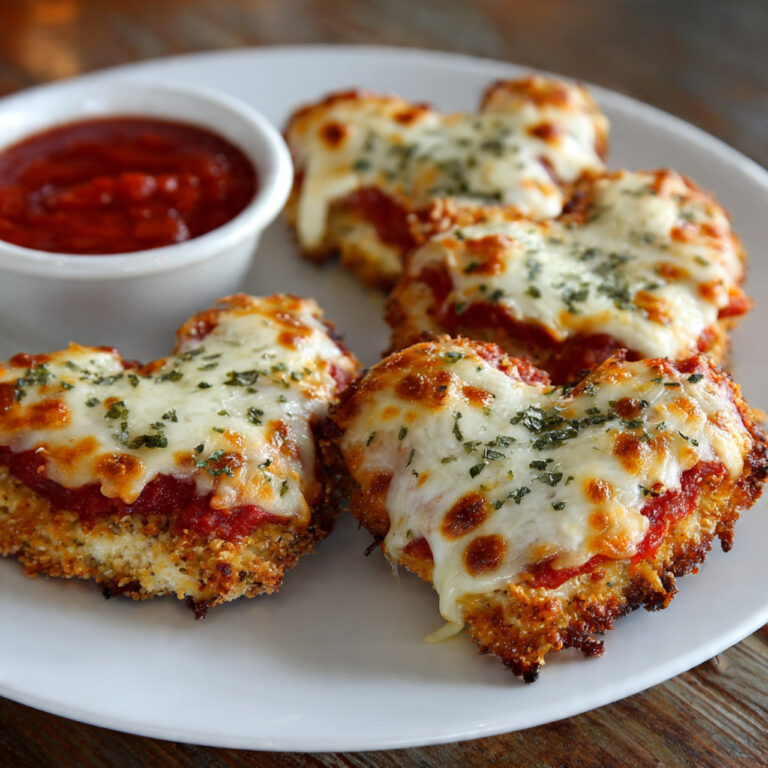
Chicken Parmesan Hearts Recipe: Perfect for 4 Servings!
These adorable Chicken Parmesan Hearts feature tender chicken cutlets shaped into hearts, coated in crispy Italian breadcrumbs, and topped with marinara sauce and melted mozzarella. Perfect for Valentine’s Day, anniversaries, or any romantic dinner, they combine classic Italian-American flavors with a charming presentation that shows you care. Surprisingly easy to make, they taste like they came from a fancy Italian restaurant.
- Total Time: 45 minutes
- Yield: 4 servings (2 hearts per person)
Ingredients
For the Chicken:
- 2 large boneless, skinless chicken breasts (1.5 lbs)
- 1 cup all-purpose flour
- 2 large eggs
- 2 tablespoons milk
- 1 1/2 cups Italian breadcrumbs
- 1/2 cup grated Parmesan cheese
- 1 teaspoon garlic powder
- 1 teaspoon Italian seasoning
- 1/2 teaspoon salt
- 1/4 teaspoon black pepper
- 1/4 teaspoon paprika
- 1/3 cup olive oil for frying
For Topping:
- 1 1/2 cups marinara sauce
- 1 1/2 cups shredded mozzarella
- 1/4 cup grated Parmesan
- Fresh basil leaves
- Red pepper flakes (optional)
Instructions
- Prep chicken: Pound chicken breasts to 1/2-inch even thickness. Use heart-shaped cookie cutter to cut out hearts. Pat dry.
- Set up breading: Place flour in first shallow bowl. Whisk eggs and milk in second bowl. Mix breadcrumbs, Parmesan, garlic powder, Italian seasoning, salt, pepper, and paprika in third bowl.
- Bread chicken: Dredge each heart in flour, then egg mixture, then breadcrumbs, pressing firmly. Let rest 5-10 minutes.
- Fry chicken: Heat olive oil in large oven-safe skillet over medium-high heat. Fry chicken hearts 3-4 minutes per side until golden brown. Transfer to baking dish.
- Add toppings: Preheat oven to 375°F. Spoon marinara over each chicken heart. Top with mozzarella and Parmesan.
- Bake: Bake 10-12 minutes until cheese is melted and bubbly. Let rest 3-5 minutes.
- Serve: Garnish with fresh basil and serve immediately over pasta or with salad.
Notes
- Even thickness: Pound chicken uniformly for even cooking throughout.
- Rest after breading: Let coated chicken sit 5-10 minutes before frying for better adhesion.
- Oil temperature: Test with a breadcrumb—should sizzle immediately but not burn.
- Don’t oversauce: Use 2-3 tablespoons per heart to keep coating crispy.
- Make ahead: Bread chicken up to 24 hours ahead and refrigerate.
- Freezing: Freeze breaded uncooked chicken up to 3 months. Fry from frozen, adding 2-3 minutes.
- Baking option: Bake breaded chicken at 400°F for 20-25 minutes instead of frying.
- Prep Time: 20 minutes
- Cook Time: 25 minutes
- Category: Main Dishes
- Method: Pan-Fried, Baked
- Cuisine: Italian-American
- Diet: Gluten Free