

Honey Ginger Lemonade : The Ultimate Guide to Making Soothing, Refreshing Wellness Drinks

Introduction: A Healing Beverage That Tastes Amazing
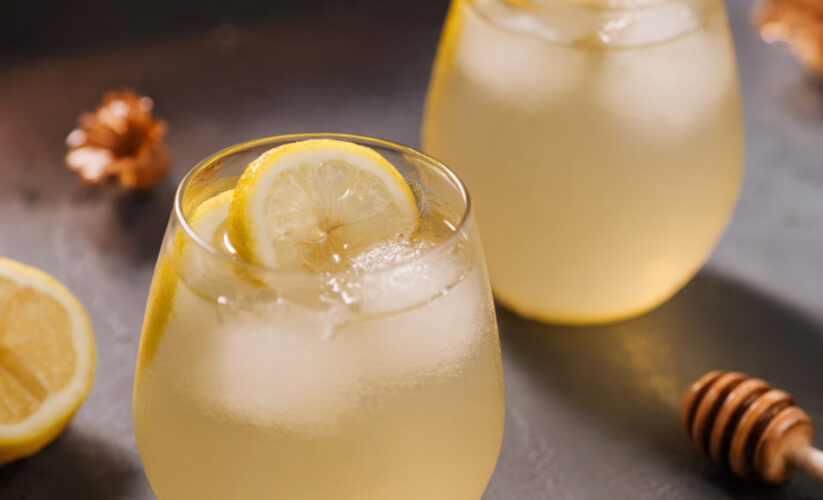
The Honey Ginger Lemonade recipe is a powerhouse beverage that combines three of nature’s most potent wellness ingredients—fresh lemon, raw ginger root, and pure honey—into a drink that’s as delicious as it is beneficial for your health. This isn’t just another flavored lemonade; it’s a functional beverage that soothes sore throats, supports immune function, aids digestion, and provides natural energy without any caffeine crash or artificial ingredients.
What makes this particular honey ginger lemonade recipe stand out is the careful balance it achieves between the warming spice of ginger, the bright acidity of fresh lemon, and the smooth sweetness of honey. Many ginger drinks are too fiery and harsh, while others barely hint at ginger flavor. This recipe hits that sweet spot where you taste all three components distinctly, yet they work in perfect harmony rather than competing for attention.
Throughout my decades of developing wellness beverages and natural remedy recipes, I’ve discovered that the quality of ingredients and the preparation method dramatically affect not just flavor but also the therapeutic properties of the final drink. Fresh ginger contains different beneficial compounds than dried ginger powder. Raw honey offers enzymes and antioxidants that processed honey lacks. Fresh-squeezed lemon juice provides vitamin C and aromatic compounds that bottled juice simply cannot match.
This comprehensive guide will teach you everything you need to know about creating the perfect Honey Ginger Lemonade. We’ll explore ingredient selection, preparation techniques that maximize both flavor and health benefits, customization options for different preferences and needs, and even how to use this recipe as a base for other wellness drinks. Whether you’re making it to soothe a cold, support your immune system, or simply enjoy a delicious and healthy beverage, you’ll have all the knowledge you need for consistent, exceptional results.
Understanding the Health Benefits of Honey Ginger Lemonade
Before diving into the recipe, let’s explore why this particular combination of ingredients is so powerful. Each component brings specific health benefits, and together they create synergistic effects that amplify their individual properties.
Fresh ginger contains gingerol, a bioactive compound with potent anti-inflammatory and antioxidant effects. It’s been used for thousands of years to treat nausea, reduce muscle pain, lower blood sugar levels, and fight infections. The warming sensation you feel from ginger stimulates circulation and helps your body eliminate toxins.
Lemons are packed with vitamin C, a crucial nutrient for immune function, skin health, and iron absorption. The citric acid in lemons aids digestion and helps prevent kidney stones. Lemon’s alkalizing effect in the body, despite being acidic itself, helps balance pH levels and support overall health.
Raw honey is more than just a sweetener—it’s a complex food containing enzymes, antioxidants, vitamins, and minerals. It has antimicrobial properties that help fight infections, soothes irritated mucous membranes (perfect for sore throats), and provides quick energy from natural sugars. Unlike refined sugar, honey doesn’t cause the same dramatic blood sugar spikes.
When combined in Honey Ginger Lemonade, these three ingredients work together to create a beverage that supports immune function, aids digestion, provides natural energy, soothes respiratory irritation, reduces inflammation, and helps the body stay hydrated—all while tasting absolutely delicious.

Essential Ingredients for Honey Ginger Lemonade Recipe
Fresh Core Ingredients
Fresh Ginger Root (2-inch piece or about 30g): This is the star ingredient that sets this lemonade apart. Choose ginger that’s firm with smooth, taut skin. Avoid shriveled or moldy pieces. Younger ginger (with thinner, more translucent skin) tends to be less fibrous and milder, while mature ginger has more intense flavor and heat. Organic ginger is preferable since you’ll be using the peel.
The size of your ginger piece matters—a 2-inch piece of thick ginger root is quite different from a 2-inch piece of thin root. When in doubt, weigh it. About 30 grams of fresh ginger provides assertive but not overwhelming flavor. Adjust based on your heat tolerance and preference.
Fresh Lemons (4-5 medium lemons, yielding about ¾ cup juice): Choose bright yellow lemons that feel heavy for their size, indicating juiciness. Thin-skinned lemons are easier to juice than thick-skinned varieties. Room temperature lemons yield more juice than cold ones—if your lemons are refrigerated, let them sit out for 20 minutes or roll them under your palm on the counter to warm them up.
You’ll also want the zest from one lemon for added flavor and aroma. The essential oils in lemon zest provide aromatic complexity that juice alone cannot achieve.
Raw Honey (⅓ to ½ cup or 80-120ml): Use raw, unfiltered honey for maximum health benefits. Raw honey contains beneficial enzymes, antioxidants, and trace nutrients that are destroyed during pasteurization. Local honey is particularly wonderful if available. The flavor varies by floral source—orange blossom honey is mild and sweet, wildflower honey is more robust, and buckwheat honey is dark and earthy. Choose based on your preference, but avoid the ultra-processed honey sold in squeeze bottles.
The amount of honey needed varies based on its sweetness level, the tartness of your lemons, and personal preference. Start with ⅓ cup and adjust upward if needed.
Water (4 cups or 1 liter): Use filtered or spring water if possible, especially if your tap water has chlorine or mineral flavors that might interfere with the delicate balance of this drink. You’ll divide this between making the ginger infusion and diluting the final beverage.
Optional Flavor Enhancers and Variations
Fresh Turmeric Root (1-inch piece): Adds golden color and additional anti-inflammatory benefits. Turmeric’s earthy flavor complements ginger beautifully. Be warned: turmeric stains everything it touches, so handle carefully.
Fresh Mint Leaves (¼ cup, lightly packed): Adds cooling freshness that balances ginger’s heat. Mint also aids digestion and adds aromatic appeal.
Cayenne Pepper (tiny pinch): For those who want extra heat and metabolism-boosting properties. A little goes a long way—start with just a few grains.
Cinnamon Stick (1 stick): Adds warming spice and helps regulate blood sugar. Simmer it with the ginger for integrated flavor.
Fresh Orange Juice (¼ cup): Adds sweetness and vitamin C while creating a more complex citrus profile.
Apple Cider Vinegar (1-2 tablespoons): For a wellness shot variation, ACV adds probiotics and additional digestive benefits. Use raw, unfiltered ACV with “the mother.”
Black Pepper (a few grinds): Enhances the absorption of beneficial compounds in both ginger and turmeric. The flavor is barely detectable.
For Serving
Ice Cubes: Made from filtered water or frozen ginger-lemon tea for extra flavor without dilution.
Fresh Ginger Slices: Thin rounds make beautiful, aromatic garnishes.
Lemon Wheels or Wedges: Classic garnish that adds visual appeal and extra flavor.
Fresh Herb Sprigs: Mint, basil, or even rosemary create beautiful presentation.
Sparkling Water: To add effervescence for a more refreshing variation.

Step-by-Step Instructions for Perfect Honey Ginger Lemonade
Step 1: Prepare the Ginger
Start by washing your ginger root thoroughly under running water, scrubbing with a vegetable brush if needed to remove any dirt. For organic ginger, you can leave the peel on—it contains beneficial compounds and adds flavor. For conventional ginger, you may prefer to peel it using the edge of a spoon (which removes the thin skin while wasting less ginger than a peeler).
Slice the ginger thinly—about ⅛-inch thick rounds or coins. Thin slices have more surface area, which means better flavor extraction. If you prefer a very strong ginger flavor, you can grate the ginger instead of slicing it, though this makes straining more difficult later.
If using turmeric, prepare it the same way as ginger, keeping in mind that it will stain your cutting board and hands. Some people prefer to wear gloves when handling fresh turmeric.
Step 2: Make the Ginger Infusion
In a medium saucepan, combine 2 cups of water with your sliced ginger (and turmeric if using). If adding cinnamon stick or other whole spices, include them now. Bring the mixture to a boil over medium-high heat.
Once boiling, reduce heat to low and let it simmer gently for 15-20 minutes. The water should turn a pale golden color and smell intensely of ginger. The longer you simmer, the more pronounced the ginger flavor will be. For a very strong ginger tea, simmer for up to 30 minutes, but watch that you don’t reduce the liquid too much.
Remove from heat and let steep for an additional 10 minutes off the heat. This allows the ginger to continue infusing without becoming harsh or bitter from extended boiling.
Step 3: Juice and Zest the Lemons
While the ginger infusion is cooling slightly, prepare your lemons. First, zest one lemon using a microplane grater or fine zester, being careful to remove only the bright yellow outer layer and avoid the white pith, which is bitter. Set the zest aside.
Roll each lemon firmly on your countertop, applying pressure with your palm. This breaks down internal membranes and makes juicing easier. Cut the lemons in half crosswise (through the equator) and juice them using a citrus juicer, reamer, or simply by hand-squeezing and using a fork to extract more juice. You need about ¾ cup of fresh lemon juice.
Strain the juice through a fine-mesh sieve to remove seeds and pulp. Whether to leave some pulp is a matter of preference—I like a little texture, but you may prefer completely smooth lemonade.
Step 4: Strain and Combine
Strain the ginger infusion through a fine-mesh sieve into a large pitcher or bowl, pressing on the ginger solids with a spoon to extract every drop of flavor. Discard the spent ginger pieces (or compost them).
While the ginger tea is still quite warm (but not boiling hot), stir in the honey. Warm liquid helps honey dissolve much more easily than cold liquid. Stir vigorously until the honey is completely dissolved with no streaks or clumps remaining. This is crucial—undissolved honey will sink to the bottom and create uneven sweetness.
Add the fresh lemon juice and lemon zest to the honey-ginger mixture. Stir well to combine all the flavors.
Step 5: Dilute and Adjust
Add the remaining 2 cups of cold water to your mixture and stir well. At this point, your Honey Ginger Lemonade is still quite concentrated. Taste it carefully (it will be warm, which affects flavor perception).
Assess the flavor balance:
- Too spicy? Add more water, lemon juice, or honey to mellow the ginger heat
- Too tart? Add more honey, 1 tablespoon at a time
- Too sweet? Add more lemon juice or water
- Not ginger-forward enough? Let some grated fresh ginger steep in the finished lemonade for 10-15 minutes, then strain
Remember that flavors will taste more pronounced when the drink is warm. Once chilled and served over ice, it will be more mellow. Also, ice dilutes the drink, so slightly over-concentrating the flavors at this stage is appropriate.
Step 6: Chill and Serve
Transfer your Honey Ginger Lemonade to a pitcher and refrigerate for at least 2 hours, though 4-6 hours or overnight is ideal. This chilling time allows all the flavors to meld and develop. The ginger flavor will continue to infuse slightly even as it cools.
To serve, fill glasses with ice and pour the chilled lemonade over. Garnish with fresh ginger slices, lemon wheels, and herb sprigs if desired. For a sparkling version, fill glasses halfway with lemonade and top with chilled sparkling water.
You can also serve this warm or hot, which is particularly soothing when you’re fighting a cold or sore throat. Simply reheat gently (don’t boil, as high heat can destroy some of honey’s beneficial properties) and serve in mugs.
Step 7: Customize to Your Needs
This recipe serves as an excellent base for customization:
- For immune support: Add extra ginger and a pinch of cayenne
- For digestion: Include fresh mint and a bit of fennel
- For detox: Add a tablespoon of apple cider vinegar
- For energy: Include green tea in place of some water
- For relaxation: Add chamomile flowers during the ginger simmering stage

Pro Tips for Exceptional Honey Ginger Lemonade Recipe
Don’t Peel Organic Ginger: The peel contains beneficial compounds and adds depth of flavor. Just scrub it well. This saves time and increases nutritional value.
Use the Freezer for Quick Cooling: If you can’t wait hours for chilling, pour your warm lemonade into a metal bowl and place it in an ice bath (a larger bowl filled with ice water). Stir occasionally. It will chill in 20-30 minutes.
Make a Concentrated Syrup: Double the ginger and honey but keep the water amount the same. This creates a concentrated ginger-honey syrup you can store and dilute with lemon juice and water as needed. The concentrate keeps for 2 weeks refrigerated.
Try Cold-Brew Ginger: Instead of simmering, place ginger slices in cold water and refrigerate overnight. This creates a milder, less “sharp” ginger flavor that some people prefer.
Adjust for Therapeutic Use: When making this for cold and flu relief, increase ginger to a 3-inch piece and add a pinch of cayenne. The extra heat helps clear congestion and stimulates immune response.
Muddle Fresh Herbs: If adding mint or basil, gently muddle the leaves in your glass before adding lemonade. This releases aromatic oils for maximum flavor impact.
Create Honey-Ginger Ice Cubes: Freeze leftover lemonade in ice cube trays. Use these instead of regular ice to prevent dilution. You can also freeze ginger tea (before adding lemon and honey) for a different flavor profile.
Pair Honey with Ginger Intensity: The stronger your ginger flavor, the more honey you’ll want to balance it. Mild ginger flavor pairs with less honey for a tart, zingy drink.
Use a Microplane for Ginger: If you want very strong ginger flavor quickly, grate ginger directly into your warm water using a microplane. Steep for 5-10 minutes, then strain through cheesecloth. This is faster than simmering slices.
Know Your Honey: Different honey varieties have different sweetness levels and flavors. Adjust the quantity based on your honey’s characteristics. Darker honeys are generally less sweet than light ones but have more complex flavors.
Add Ginger at the End: For fresh, bright ginger flavor (rather than cooked), skip simmering entirely. Grate fresh ginger directly into your prepared lemonade, let steep for 15 minutes, and strain. This creates a different but equally delicious flavor profile.
Warm Your Lemons: Microwave whole lemons for 10-15 seconds before juicing. They’ll yield significantly more juice. Just don’t overheat them or they’ll cook.
Common Mistakes to Avoid with Honey Ginger Lemonade Recipe
Boiling Honey: Never add honey to boiling liquid or boil it after adding. High heat (above 140°F/60°C) destroys honey’s beneficial enzymes and can create bitter flavors. Always let your ginger tea cool to warm (comfortable to touch) before adding honey.
Using Ground Ginger Instead of Fresh: Dried, powdered ginger is not a good substitute for fresh ginger in this recipe. It has a completely different flavor profile—more one-dimensional and sometimes bitter. Fresh ginger provides the bright, complex, slightly citrusy heat that makes this drink special.
Undersweetening: Many people try to make this “healthy” by using minimal honey, but it ends up too harsh and acidic to enjoy. Honey isn’t just a sweetener here—it’s a functional ingredient that soothes, provides energy, and balances the strong flavors of ginger and lemon. Don’t be afraid to use adequate honey.
Not Straining Thoroughly: Any ginger fibers left in your lemonade will continue to release flavor and heat, potentially making it too strong or creating unpleasant texture. Always strain carefully through fine mesh.
Using Bottled Lemon Juice: This is probably the worst substitution you can make. Bottled lemon juice tastes flat, harsh, and artificial. Fresh-squeezed lemon juice is absolutely essential for this recipe’s bright, fresh flavor profile.
Letting It Boil Too Long: Extended hard boiling can make ginger bitter and harsh rather than warm and spicy. A gentle simmer is better than a rolling boil.
Adding Ice Too Early: If you pour hot or warm lemonade over ice, you’ll end up with a watery, diluted mess. Always chill your lemonade completely before serving over ice, or drink it warm without ice.
Storing With Ginger Pieces: If you leave ginger pieces in your lemonade during storage, the flavor will continue to intensify and can become overwhelming. Always strain before storing.
Using Too Little Ginger: Timid amounts of ginger create a drink that tastes like regular lemonade with an unidentifiable background note. Don’t be shy—the ginger should be a prominent flavor.
Not Tasting and Adjusting: Every batch of ginger, honey, and lemons tastes different. Always taste your lemonade before chilling and adjust the balance. Trust your palate more than exact measurements.

Storage and Serving Suggestions for Honey Ginger Lemonade
Proper Storage Methods
Refrigerated Storage: Store your Honey Ginger Lemonade in an airtight glass pitcher or bottle in the refrigerator for up to 5 days. Glass is preferable to plastic, which can absorb and transfer flavors. The honey may settle slightly—just stir or shake before serving.
The flavor actually improves after the first day as the ginger, lemon, and honey continue to marry. However, after 5 days, the fresh ginger notes begin to fade and the drink may develop a slightly fermented taste.
Freezer Storage: The lemonade freezes well for up to 3 months. Freeze in ice cube trays for small portions, or in freezer-safe containers leaving 1 inch of headspace (liquid expands when frozen). Thaw overnight in the refrigerator. The texture may separate slightly—shake or stir vigorously to recombine.
Concentrated Form: The ginger-honey base (before adding lemon juice and final water) keeps longer—up to 2 weeks refrigerated. Add fresh lemon juice and water when you’re ready to drink it. This is perfect for making single servings or for having the base ready whenever you want it.
Dried Ingredients: You can’t really pre-make this recipe completely dry, but you can prep components separately. Dry lemon zest and store it airtight. Pre-slice and dehydrate ginger for later use (though fresh is always better).
Serving Suggestions for Different Occasions
Morning Wellness Shot: Serve 2-3 ounces in a small glass as a morning immune booster and digestive aid. Drink it at room temperature or slightly warm for maximum benefits. This concentrated serving provides an energizing start to your day without caffeine.
Cold and Flu Remedy: Serve warm in a mug when you’re feeling under the weather. The steam helps clear sinuses, the warmth soothes a sore throat, and the ingredients support immune function. Add an extra slice of fresh ginger to your cup for additional strength.
Summer Refreshment: Serve ice-cold in tall glasses with lots of ice, fresh garnishes, and perhaps a splash of sparkling water. Perfect for hot days when you want something cooling but more interesting than plain water.
Afternoon Pick-Me-Up: Serve chilled or at room temperature as an afternoon energy boost. The natural sugars in honey provide sustained energy without the crash that comes from coffee or energy drinks.
Pre-Workout Drink: Drink 30 minutes before exercise. The ginger helps with circulation and can reduce muscle pain, while honey provides easily accessible energy.
Digestive Aid After Meals: Serve a small glass (4-6 ounces) after heavy meals. The ginger aids digestion and can help prevent bloating and indigestion.
Mocktail Base: Use as a base for sophisticated non-alcoholic drinks. Muddle fresh berries or herbs, add the lemonade, and top with sparkling water. Garnish elaborately for elegant presentation.
Cocktail Mixer: Mix with vodka, gin, or bourbon for a craft cocktail. The ginger adds complexity that elevates simple drinks into something special. Use 2 parts lemonade to 1 part spirit.
Tea Enhancement: Add 2-3 tablespoons to hot green or herbal tea for added flavor and wellness benefits. This is particularly nice with chamomile or mint tea.
Salad Dressing Base: Believe it or not, this lemonade makes an excellent vinaigrette base. Mix it with olive oil and a bit of Dijon mustard for a unique, flavorful dressing.

Frequently Asked Questions About Honey Ginger Lemonade Recipe
Can I use dried ginger powder instead of fresh ginger?
While fresh ginger is strongly recommended, you can use dried ginger in a pinch. Use about 1-2 teaspoons of ground ginger powder per 2 cups of water. Simmer for only 5 minutes (it infuses faster than fresh) and strain carefully as the powder can be gritty. The flavor will be more one-dimensional and slightly bitter compared to fresh ginger’s complex, bright spiciness. For the best results, always use fresh ginger root.
Can I make this recipe without honey? What are good substitutes?
Honey provides unique flavor and health benefits, but you can substitute with maple syrup, agave nectar, or even coconut sugar dissolved in a bit of hot water. Use the same amount by volume. Maple syrup adds earthy notes, agave is more neutral, and coconut sugar adds caramel notes. For sugar-free versions, try monk fruit sweetener or stevia, though these don’t provide honey’s soothing throat-coating properties or enzymes.
Is this drink safe during pregnancy?
Ginger is generally considered safe during pregnancy in food amounts and may even help with morning sickness. However, pregnant women should consume it in moderation (typically no more than 1-2 cups of this lemonade daily) and consult their healthcare provider first, especially if they have a history of miscarriage or bleeding disorders. The lemon and honey components are perfectly safe. If concerned, reduce the ginger to a 1-inch piece for a milder version.
Can children drink Honey Ginger Lemonade?
Yes, but with modifications. Never give honey to infants under 12 months old due to botulism risk. For children over one year, this is generally safe, but make a milder version using only a 1-inch piece of ginger, as children are often more sensitive to spicy flavors. You can also make it sweeter to appeal to young palates. Many kids actually love the zippy flavor once they try it.
How long does it take for this drink to help with cold symptoms?
You may feel some immediate relief, particularly for sore throat (from honey’s coating action) and congestion (from ginger’s warming properties). However, for immune support and overall cold duration reduction, you’ll need to drink it consistently—2-3 cups daily throughout your illness. Many people report feeling noticeably better within 24-48 hours when drinking this alongside proper rest and hydration. It’s not a cure, but it definitely supports your body’s healing processes.
Can I use limes instead of lemons?
Absolutely! Honey Ginger Limeade is delicious and offers a slightly different flavor profile—a bit more tropical and less traditional. Use the same quantity of fresh lime juice as you would lemon juice. Limes are often more tart than lemons, so you may need slightly more honey to balance. The combination works particularly well with fresh mint.
Why does my lemonade taste too spicy/harsh?
This usually means you’ve used too much ginger, simmered it too long, or used particularly potent/mature ginger root. To fix overly spicy lemonade, dilute with more water, add additional honey to balance, or add more lemon juice (acid helps temper spice). For future batches, reduce ginger quantity or simmering time. Remember that fresh young ginger is milder than mature ginger.
Can I make this drink carbonated?
Yes! Make the base as directed, chill it thoroughly, then add chilled sparkling water just before serving. Use about a 1:1 ratio—half lemonade base, half sparkling water, adjusted to your preference. Don’t add sparkling water to your entire pitcher if you won’t drink it all immediately, as it will go flat. Instead, add it to individual glasses as needed.
Does this actually boost immune function or is that just a claim?
The immune-supporting properties are backed by research, not just traditional wisdom. Vitamin C (from lemons) is essential for immune cell function. Gingerol (from ginger) has demonstrated antimicrobial and anti-inflammatory effects in studies. Raw honey has antimicrobial properties and antioxidants. While this drink won’t prevent all illness, regular consumption as part of a healthy lifestyle genuinely supports immune function. It’s particularly effective for respiratory health and digestive immunity.
Can I add other ingredients like turmeric or cayenne?
Absolutely! This recipe is an excellent base for customization. Turmeric adds golden color and anti-inflammatory benefits—use a 1-inch piece of fresh turmeric root or ½ teaspoon powder. Cayenne boosts circulation and metabolism—start with just a tiny pinch as it’s potent. Other great additions include fresh mint, cinnamon, black pepper (increases nutrient absorption), or even a bit of fresh orange juice. Experiment to find your perfect blend.

Final Thoughts on Honey Ginger Lemonade Recipe
There’s something profoundly satisfying about creating a beverage that’s simultaneously delicious and genuinely beneficial for your health. This Honey Ginger Lemonade represents the best of both worlds—it tastes incredible, with complex layers of warming spice, bright citrus, and smooth sweetness, while also providing real therapeutic benefits that your body can feel.
What I appreciate most about this recipe is its versatility. It works as a morning energizer, an afternoon refresher, an evening digestive aid, or a cold-fighting remedy. You can serve it hot or cold, mild or intense, simple or dressed up with garnishes and additions. It adapts to whatever you need it to be while maintaining its essential character.
The ritual of making this lemonade has value beyond the final product. There’s something mindful and nurturing about grating fresh ginger, squeezing bright lemons, watching the water turn golden as ginger infuses, and stirring in honey’s amber sweetness. These small acts of self-care compound over time, creating habits that support overall wellness.
I encourage you to make this recipe regularly and observe how it makes you feel. Notice whether your digestion improves, whether you get fewer colds, whether you have more consistent energy. Pay attention to which variations you prefer—more ginger for energy, more honey for soothing, added mint for cooling. This awareness helps you tune into your body’s needs and responses.
Most importantly, don’t reserve this drink only for when you’re sick. While it’s absolutely wonderful for cold and flu support, it’s even better as a preventive measure that you enjoy regularly as part of a healthy lifestyle. Think of it as delicious insurance against illness rather than just medicine.
So gather your fresh ginger, juice those bright lemons, and get ready to experience one of nature’s most perfect flavor combinations. Your perfect batch of Honey Ginger Lemonade
Print
Honey Ginger Lemonade : The Ultimate Guide to Making Soothing, Refreshing Wellness Drinks
This healing Honey Ginger Lemonade combines fresh ginger root, zesty lemons, and raw honey for a soothing, immune-boosting beverage. Perfect for cold and flu season, digestive support, or simply as a delicious healthy drink. Naturally sweetened, free from artificial ingredients, and customizable to your taste preferences.
- Total Time: 30 minutes (plus 2+ hours chilling)
- Yield: 4-5 servings (8 oz each)
Ingredients
Core Ingredients:
- 2-inch piece fresh ginger root (about 30g), sliced thin
- 4-5 medium lemons (yielding ¾ cup fresh juice)
- Zest of 1 lemon
- ⅓ to ½ cup raw honey (80-120ml)
- 4 cups filtered water (divided: 2 cups for infusion, 2 cups for dilution)
Optional Additions:
- 1-inch piece fresh turmeric root
- ¼ cup fresh mint leaves
- 1 cinnamon stick
- Tiny pinch cayenne pepper
- 2 tablespoons apple cider vinegar
- ¼ cup fresh orange juice
For Serving:
- Ice cubes
- Fresh ginger slices for garnish
- Lemon wheels
- Fresh herb sprigs (mint or basil)
- Sparkling water (optional)
Instructions
- Prepare Ginger: Wash ginger thoroughly. Peel if not organic. Slice thinly into ⅛-inch rounds or coins.
- Make Ginger Infusion: In a saucepan, combine sliced ginger with 2 cups water. Bring to boil, reduce heat, and simmer gently for 15-20 minutes until water is golden and aromatic.
- Steep and Strain: Remove from heat, let steep 10 minutes, then strain through fine-mesh sieve into a pitcher, pressing on ginger to extract all liquid. Discard solids.
- Add Honey: While ginger tea is still warm (not boiling), stir in honey until completely dissolved.
- Juice Lemons: Zest one lemon, then juice all lemons to yield ¾ cup juice. Strain to remove seeds and pulp if desired.
- Combine: Add lemon juice, lemon zest, and remaining 2 cups cold water to honey-ginger mixture. Stir well.
- Taste and Adjust: Sample the lemonade (it will be warm). Adjust sweetness, tartness, or ginger intensity as needed by adding more honey, lemon juice, or water.
- Chill: Refrigerate for at least 2 hours (4-6 hours ideal) to let flavors meld.
- Serve: Pour over ice in glasses. Garnish with ginger slices, lemon wheels, and herbs. For sparkling version, top with chilled sparkling water.
Notes
- Always use raw, unfiltered honey for maximum health benefits
- Fresh ginger is essential—don’t substitute with dried powder
- Adjust ginger quantity based on your spice tolerance
- Can be served hot as a soothing cold remedy
- Flavor improves after sitting overnight in refrigerator
- Stores for up to 5 days refrigerated
- Freezes well for up to 3 months
- For concentrated syrup, double ginger and honey, keep water same
- Add sparkling water just before serving to maintain fizz
- Make it milder for kids by using only 1-inch ginger piece
- Prep Time: 10 minutes
- Cook Time: 20 minutes
- Category: Drinks
- Method: Simmering, Infusion
- Cuisine: International, Wellness
- Diet: Vegetarian




1 Comment
[…] you mix Prosecco with lemonade? Absolutely! Pink Lemonade Prosecco is the effortlessly elegant cocktail that looks like you spent hours crafting it but actually takes […]
Comments are closed.