

Spicy Butternut Squash and Sweet Potato Soup: A Cozy Bowl of Comfort with a Kick


Introduction
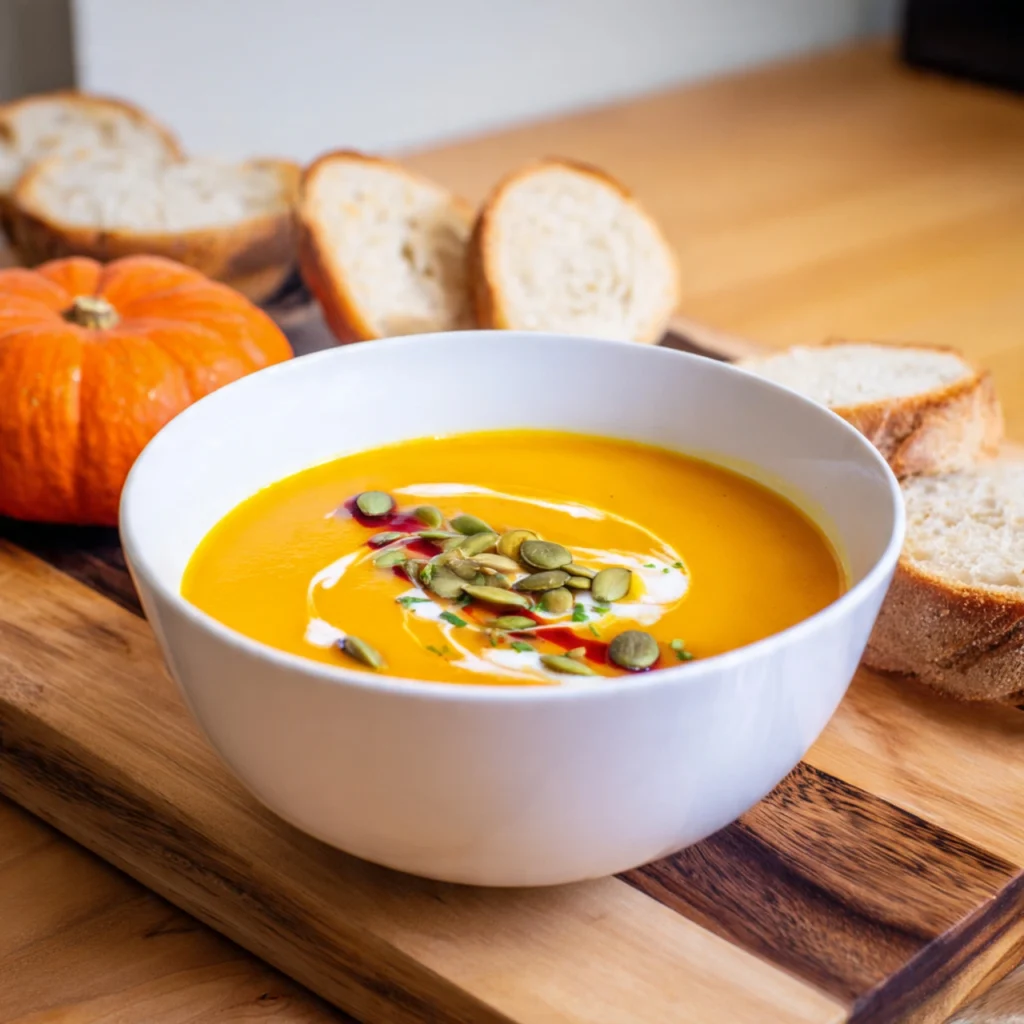
Spicy Butternut Squash and Sweet Potato Soup is the kind of bowl that wraps you in warmth while waking up your taste buds with just the right amount of heat. This vibrant, silky-smooth soup marries the natural sweetness of roasted butternut squash and sweet potatoes with layers of aromatic spices, creating a complex flavor profile that goes far beyond your typical autumn soup. It’s comfort food that doesn’t put you to sleep—instead, it energizes and satisfies in equal measure, making it perfect for chilly evenings when you want something nourishing yet exciting.
What sets this spicy butternut squash soup apart from the countless other fall soup recipes is the careful balance of sweet and heat. The vegetables’ inherent sweetness becomes even more pronounced through roasting, which caramelizes their natural sugars and intensifies their flavor. Then comes the magic: a blend of warming spices including cayenne, smoked paprika, and fresh ginger creates depth and complexity, while a touch of heat from jalapeño or red pepper flakes gives the soup personality and prevents it from being one-dimensional.
This recipe is a masterclass in building flavor through simple techniques. Roasting the vegetables rather than simply boiling them adds a dimension of smokiness and concentration you simply can’t achieve otherwise. The aromatics—onions, garlic, and fresh ginger—are sautéed until fragrant, creating a flavor foundation that permeates every spoonful. A splash of coconut milk at the end adds luxurious creaminess without dairy, while a squeeze of fresh lime juice brightens everything up and makes the flavors pop.
Whether you’re meal-prepping for the week, looking for an impressive first course for a dinner party, or simply craving something wholesome and delicious on a weeknight, this soup delivers. It’s naturally vegan and gluten-free, making it inclusive for various dietary preferences, and it’s packed with vitamins, fiber, and antioxidants. Best of all, it tastes like you spent hours in the kitchen when the actual hands-on time is minimal.
Why This Recipe Works
The genius of this spicy butternut squash and sweet potato soup lies in its layered approach to flavor development. First, roasting the vegetables concentrates their sweetness and adds subtle caramelization notes. Second, blooming the spices in oil releases their essential oils and maximizes their impact. Third, the slow simmer allows all the flavors to meld together harmoniously. Finally, the addition of acid (lime juice) and fat (coconut milk) at the end creates balance and richness.
The combination of butternut squash and sweet potatoes isn’t just about flavor—it’s also about texture. Butternut squash has a slightly fibrous quality that, when blended, creates body and structure. Sweet potatoes contribute creaminess and help the soup achieve that restaurant-quality velvety smoothness. Together, they create a soup that’s substantial enough to be a meal on its own but elegant enough to serve at a formal gathering.
The heat in this recipe is customizable, which means everyone from spice novices to heat-seekers can enjoy it. The base recipe provides a pleasant warmth that builds gradually—you’ll feel it at the back of your throat without overwhelming the other flavors. For those who want more fire, the recipe easily accommodates additional cayenne, fresh chilies, or a drizzle of hot sauce on top.
Ingredients You’ll Need
For the Roasted Vegetables
- 1 medium butternut squash (about 2.5 to 3 pounds), peeled, seeded, and cut into 1-inch cubes
- 2 large sweet potatoes (about 1.5 pounds), peeled and cut into 1-inch cubes
- 3 tablespoons olive oil, divided
- 1 teaspoon kosher salt
- ½ teaspoon black pepper
For the Soup Base
- 2 tablespoons olive oil or coconut oil
- 1 large yellow onion, diced
- 4 cloves fresh garlic, minced
- 2 tablespoons fresh ginger, peeled and minced
- 1 jalapeño pepper, seeds removed and finely diced (optional, for extra heat)
- 1 teaspoon ground cumin
- 1 teaspoon ground coriander
- 1 teaspoon smoked paprika
- ½ teaspoon cayenne pepper (adjust to taste)
- ½ teaspoon ground cinnamon
- ¼ teaspoon ground nutmeg
- 4 cups vegetable broth, low-sodium preferred
- 1 can (13.5 oz) coconut milk, full-fat for creamiest results
- 2 tablespoons maple syrup or honey
- Juice of 1 lime (about 2 tablespoons)
- Salt and pepper to taste
For Garnish and Serving
- Coconut cream or Greek yogurt (for swirling)
- Fresh cilantro, chopped
- Toasted pumpkin seeds (pepitas)
- Crispy chickpeas (optional)
- Red pepper flakes
- Lime wedges
- Crusty bread or naan for serving
Optional Flavor Boosters
- 1 apple, peeled and diced (adds sweetness and complexity)
- 1 tablespoon red curry paste (for Thai-inspired variation)
- 1 teaspoon chili oil (for serving)
- Fresh thyme or sage (adds herbaceous notes)
Kitchen Equipment Needed
- Large rimmed baking sheet (or two)
- Parchment paper or silicone baking mat
- Large Dutch oven or heavy-bottomed pot (4-6 quart capacity)
- High-powered blender or immersion blender
- Sharp chef’s knife
- Vegetable peeler
- Cutting board
- Wooden spoon
- Ladle
- Measuring cups and spoons

Step-by-Step Instructions
Step 1: Prepare and Roast the Vegetables
Preheat your oven to 425°F (220°C) and line one or two large baking sheets with parchment paper. This high temperature is key for achieving proper caramelization. Peel your butternut squash and sweet potatoes, then cut them into uniform 1-inch cubes—consistency in size ensures even cooking. Place the cubed vegetables in a large bowl, drizzle with 3 tablespoons of olive oil, and season generously with salt and pepper. Toss everything together with your hands until every piece is evenly coated.
Spread the vegetables in a single layer on your prepared baking sheets, making sure they’re not crowded—overcrowding causes steaming instead of roasting, and you want those beautiful caramelized edges. If necessary, use two baking sheets rather than cramming everything onto one. Roast for 30 to 35 minutes, flipping the vegetables halfway through, until they’re tender when pierced with a fork and developing golden-brown edges. Some pieces might even get slightly charred, which adds wonderful depth of flavor.
Step 2: Build Your Aromatic Base
While the vegetables are roasting, you can start building the soup’s flavor foundation. Heat 2 tablespoons of oil in a large Dutch oven or heavy-bottomed pot over medium heat. Add the diced onion and a pinch of salt—the salt helps draw out moisture and speeds up the softening process. Cook the onion for about 5 to 7 minutes, stirring occasionally, until it’s translucent and starting to turn golden at the edges.
Add the minced garlic, ginger, and jalapeño (if using) to the pot. These aromatics are potent, so stir constantly for about 1 to 2 minutes until incredibly fragrant but not browned—burned garlic turns bitter and will throw off your entire soup. Your kitchen should smell absolutely amazing at this point, with warm, spicy notes filling the air.
Step 3: Bloom the Spices
Now comes a crucial step that many home cooks skip but professional chefs swear by: blooming the spices. Add the cumin, coriander, smoked paprika, cayenne, cinnamon, and nutmeg to the pot with the aromatics. Stir constantly for about 30 to 60 seconds—you’ll notice the spices become incredibly aromatic as the heat releases their essential oils. This technique, called blooming or tempering, transforms the spices from dusty and flat to complex and potent. Be careful not to let them burn; if the heat seems too high, reduce it slightly.
Step 4: Combine and Simmer
Once your roasted vegetables are done, transfer them to the pot with the aromatic-spice mixture. Add the vegetable broth and stir everything together, scraping up any browned bits from the bottom of the pot—those are pure flavor gold. Bring the mixture to a boil over high heat, then reduce the heat to medium-low and let it simmer gently, uncovered, for about 15 minutes. This simmering time allows all the flavors to meld together and ensures the vegetables are completely tender and will blend smoothly.
Step 5: Blend to Silky Perfection
Remove the pot from heat and let it cool slightly—blending scalding-hot liquid can be dangerous as pressure builds up. If using a countertop blender, work in batches, filling the blender no more than halfway and holding a kitchen towel over the lid while blending (hot liquid expands and can blow the lid off). Blend on high speed until completely smooth and velvety, which usually takes about 1 to 2 minutes per batch. Pour each blended batch into a clean pot.
If you have an immersion blender, you can blend directly in the pot, which is much more convenient and creates less mess. Move the immersion blender around to ensure you get every bit of vegetable, and blend for several minutes until there are absolutely no lumps remaining and the soup is silky smooth.
Step 6: Add Richness and Balance
Return the blended soup to medium-low heat. Stir in the coconut milk, maple syrup, and lime juice. The coconut milk adds luxurious creaminess, the maple syrup enhances the natural sweetness of the vegetables, and the lime juice provides brightness that prevents the soup from tasting flat or one-dimensional. Taste and adjust the seasoning—you’ll likely want to add more salt, and this is your opportunity to adjust the heat level by adding more cayenne if desired. Let the soup simmer gently for another 5 minutes to heat through and allow the flavors to integrate.
Step 7: Serve with Style
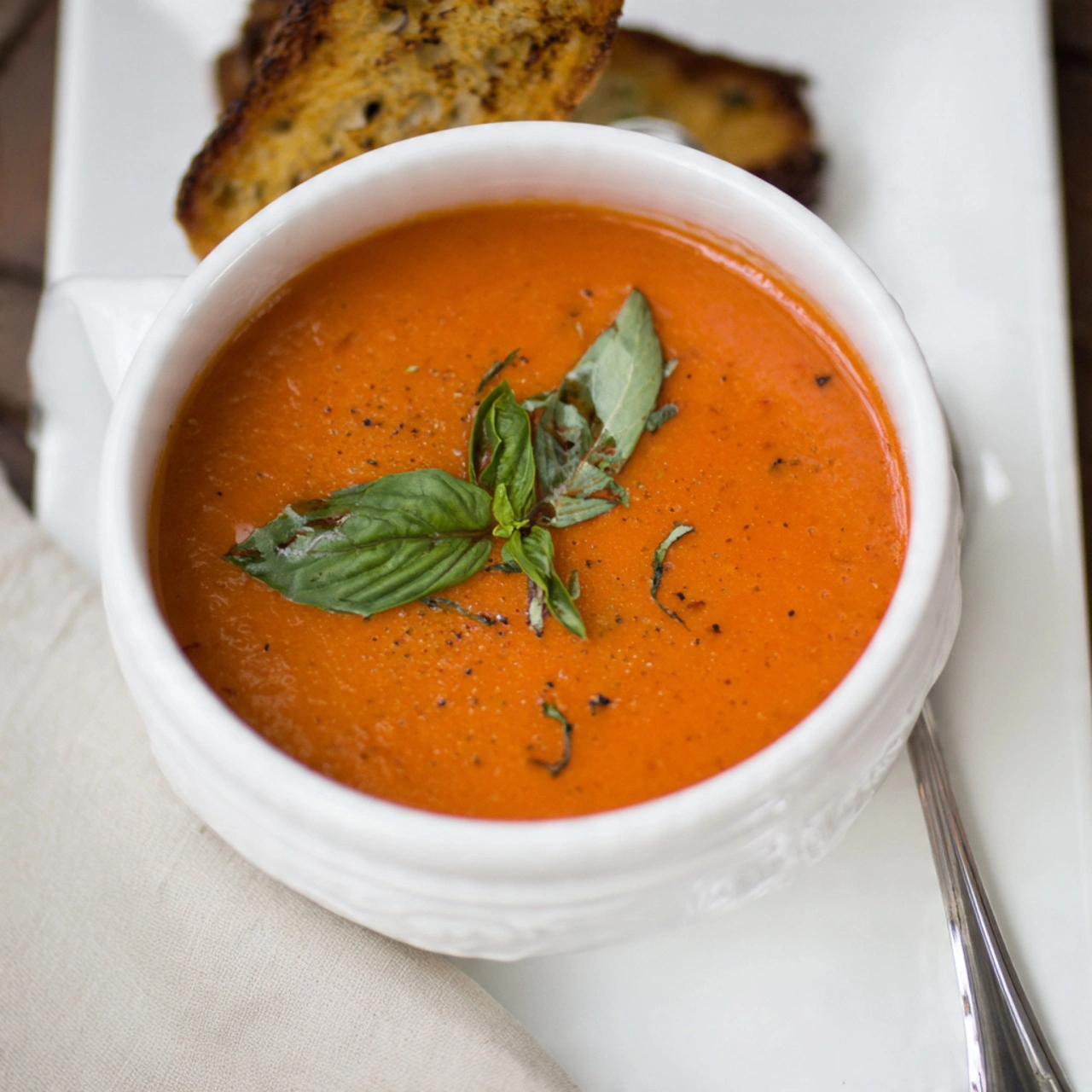
Ladle the hot soup into bowls and get creative with your garnishes. A swirl of coconut cream or Greek yogurt creates visual appeal and adds cooling richness that contrasts beautifully with the heat. Sprinkle with fresh cilantro, toasted pumpkin seeds, and a pinch of red pepper flakes. Serve with lime wedges on the side so diners can add extra brightness to taste. A piece of crusty bread or warm naan on the side turns this into a complete, satisfying meal.
Pro Tips for Perfect Spicy Butternut Squash and Sweet Potato Soup
Roast, Don’t Boil: While it’s tempting to skip the roasting step and simply simmer everything together, roasting the vegetables first makes an enormous difference. The dry heat caramelizes the natural sugars, creating depth and complexity you simply cannot achieve through boiling or steaming.
Peel Your Ginger with a Spoon: Fresh ginger’s knobby shape makes it difficult to peel with a knife without wasting a lot. Instead, use the edge of a spoon to scrape away the thin skin—it’s much more efficient and you’ll lose less of the precious ginger flesh.
Control the Heat Level: Start conservative with the cayenne pepper, especially if you’re not sure about your guests’ spice tolerance. You can always add more heat at the end, but you can’t take it away. Remember that the heat will develop and intensify as the soup sits, so it might taste spicier tomorrow than it does today.
Use Full-Fat Coconut Milk: Light coconut milk just doesn’t provide the same luxurious creaminess. The fat content in full-fat coconut milk emulsifies beautifully into the soup, creating that restaurant-quality velvety texture. If you’re concerned about calories, use full-fat coconut milk but serve smaller portions.
Don’t Skip the Acid: The lime juice at the end is absolutely essential. Acid brightens all the flavors and prevents the soup from tasting muddy or dull. If you don’t have lime, lemon juice works too, though lime’s particular flavor profile complements the sweetness and spice better.
Invest in a High-Powered Blender: While any blender will technically work, a high-powered blender like a Vitamix creates an incredibly smooth, almost fluffy texture that’s impossible to achieve with a standard blender. If you make soup frequently, it’s worth the investment.
Toast Your Pumpkin Seeds: Raw pumpkin seeds are fine, but toasted pumpkin seeds are phenomenal. Toss them in a dry skillet over medium heat for 3 to 5 minutes until they puff up and turn golden, with some popping. The nutty flavor they develop elevates your garnish game significantly.
Make It Ahead: This soup actually improves overnight as the flavors continue to develop and meld. Make it a day ahead, refrigerate, then gently reheat before serving. You may need to add a splash of broth when reheating as it will thicken considerably.
Customize the Vegetables: While butternut squash and sweet potatoes are the stars, you can easily incorporate other fall vegetables. Carrots, regular potatoes, or even pumpkin work beautifully. Just maintain roughly the same total volume of vegetables.
Layer Your Spices: Don’t add all your spices at once. Bloom the dried ground spices in oil, add fresh aromatics like ginger separately, and finish with fresh lime and cilantro. This layering creates dimension and complexity that makes the soup memorable.

Common Mistakes to Avoid
Cutting Vegetables in Uneven Sizes: When your vegetable chunks vary significantly in size, the smaller pieces overcook and potentially burn while the larger pieces remain undercooked. Take an extra minute to cut everything uniformly, and your vegetables will roast evenly and beautifully.
Overcrowding the Baking Sheet: Packing too many vegetables onto one pan causes them to steam rather than roast. The moisture they release gets trapped, preventing that gorgeous caramelization you’re after. Use two pans if necessary and give your vegetables breathing room.
Burning the Aromatics: Garlic and ginger can go from perfectly aromatic to bitter and burned in seconds. Watch them carefully and stir constantly once they hit the pot. If you’re multitasking and concerned about timing, prep these ingredients but wait until you’re ready to give them your full attention before adding them.
Skipping the Spice Blooming: Adding dried spices directly to liquid releases some flavor, but blooming them in hot oil first dramatically intensifies their impact. Those 30 seconds of stirring spices in oil make the difference between a good soup and an extraordinary one.
Over-Blending and Making It Gluey: While you want smooth soup, over-blending can break down the starches too much, creating an unpleasantly gummy texture, especially with sweet potatoes. Blend just until smooth, then stop—you don’t need to blend for five minutes.
Not Tasting and Adjusting: Every butternut squash and sweet potato has slightly different sugar content, and every palate differs in spice tolerance. Taste your soup before serving and adjust the salt, spice, sweetness, and acidity to your preferences. Soup is forgiving—trust your taste buds.
Adding Dairy-Based Cream Too Early: If you choose to use regular cream or milk instead of coconut milk, add it at the very end after removing from heat. Dairy can curdle or separate when boiled, especially in the presence of acidic ingredients like lime juice.
Forgetting About Carry-Over Heat: When you add cayenne and fresh chilies, remember that the heat will continue to develop as the soup sits. What tastes mildly spicy fresh off the stove might pack considerably more punch after an hour. Start conservatively.
Not Adjusting Consistency: The soup will thicken significantly as it cools and even more when refrigerated. Always keep extra vegetable broth on hand for thinning. You want a soup consistency, not baby food—it should be smooth but still pourable.
Using Stale Spices: Dried spices lose potency over time. If your cumin, coriander, or paprika has been sitting in your cabinet for years, the flavor simply won’t be there. For the best results, use spices purchased within the last year, and consider toasting whole spices and grinding them yourself for maximum impact.
Storage and Serving Suggestions
How to Store Properly
This spicy butternut squash and sweet potato soup stores exceptionally well, making it perfect for meal prep or batch cooking. Allow the soup to cool completely to room temperature before storing—this prevents condensation that can dilute the flavor and promote bacterial growth. Transfer to airtight containers and refrigerate for up to 5 days. The soup may thicken considerably in the refrigerator; simply thin it with vegetable broth or coconut milk when reheating.
For longer storage, this soup freezes beautifully for up to 3 months. Freeze in individual portions or family-sized batches depending on your needs. Leave about an inch of headspace in your containers as liquid expands when frozen. Consider using freezer bags laid flat in your freezer—they stack efficiently and thaw quickly. For best results, add the coconut milk and lime juice after thawing and reheating rather than before freezing, as these ingredients can separate slightly during the freezing process.
Reheating Instructions
Thaw frozen soup overnight in the refrigerator for best results. Reheat gently on the stovetop over medium-low heat, stirring occasionally to prevent scorching on the bottom. You’ll likely need to add a splash of vegetable broth or coconut milk to restore the original consistency. For individual portions, microwave on 50% power in 1-minute intervals, stirring between each, until heated through.
Avoid boiling the soup during reheating, as this can cause the coconut milk to separate and affect the silky texture. Low and slow is the way to go. If you notice the soup has separated after freezing (coconut milk sometimes does this), a quick blend with an immersion blender will restore the smooth consistency.
Creative Serving Ideas
This soup is incredibly versatile and can be dressed up or down depending on the occasion. For a casual weeknight dinner, serve it in mugs with grilled cheese sandwiches for dipping—the combination of spicy soup and melty, buttery cheese is pure comfort. For a more elegant presentation, serve in shallow bowls with an artistic swirl of coconut cream, a scatter of pomegranate arils for color and crunch, and microgreens for sophistication.
Turn this soup into a complete meal by adding protein. Grilled chicken strips, crispy tofu cubes, or cooked shrimp make excellent additions. For a vegetarian option, serve over quinoa or wild rice for added texture and protein. You can also create a soup bar for entertaining—set out bowls of various toppings like toasted coconut flakes, different types of seeds, fresh herbs, hot sauces, and crispy aromatics, and let guests customize their bowls.
Wine and Beverage Pairings
The sweetness and spice of this soup pair beautifully with off-dry white wines like Riesling or Gewürztraminer—their slight sweetness complements the vegetables while their acidity cuts through the richness. For red wine drinkers, try a fruit-forward Pinot Noir or Zinfandel. If you prefer beer, an amber ale or pumpkin beer echoes the autumn flavors. Non-alcoholic options include sparkling apple cider, ginger beer, or a hot chai tea.
Make It a Complete Meal
While satisfying on its own, this soup pairs wonderfully with various accompaniments. Crusty sourdough, naan bread, or cheesy garlic bread are classic choices. For a lighter option, serve with a crisp salad featuring fall ingredients like arugula, dried cranberries, pecans, and apple slices with a tangy vinaigrette. Cornbread muffins with honey butter complement the soup’s sweetness and provide textural contrast.
Frequently Asked Questions
Can I make this soup without roasting the vegetables?
Technically yes, but I strongly recommend against it if you want the best flavor. You can peel and cube the vegetables, then simmer them directly in broth until tender before blending, which cuts about 30 minutes from the total time. However, you’ll miss out on the caramelized, slightly smoky depth that roasting provides. The soup will still be good, but it won’t have that complex, restaurant-quality flavor profile. If you’re truly pressed for time, consider this compromise: roast half the vegetables and simmer the other half to save some time while still getting some of that roasted flavor.
How can I make this soup spicier or milder?
The beauty of this recipe is its flexibility with heat levels. To make it spicier, increase the cayenne pepper to ¾ or even 1 teaspoon, add a whole diced jalapeño with seeds included (the seeds and ribs contain most of the capsaicin), or stir in a tablespoon of sriracha or your favorite hot sauce at the end. Fresh Thai bird chilies or habanero peppers will really bring the heat if you’re a true spice lover. For a milder version, simply omit the cayenne pepper entirely and remove the seeds from the jalapeño (or skip it altogether). You’ll still have warmth from the ginger and aromatic spices without the actual heat. You can also serve hot sauce on the side so each person can adjust to their preference.
What can I substitute for coconut milk?
If you’re not a fan of coconut milk or have an allergy, several alternatives work well. Heavy cream or half-and-half creates an equally luxurious texture, though the soup will no longer be vegan. Greek yogurt stirred in at the end adds tanginess and creaminess—just make sure to add it off heat to prevent curdling. Cashew cream (made by blending soaked raw cashews with water) is a fantastic plant-based alternative that’s incredibly creamy and neutral-flavored. Silken tofu blended into the soup adds protein and creaminess without adding much flavor. Even plain unsweetened almond milk or oat milk can work, though they’re thinner, so you may want to add less broth initially or use a bit of cornstarch to thicken.
My soup is too thick. How do I fix it?
Thick soup is easily remedied. Simply thin it with additional vegetable broth, adding a quarter cup at a time while stirring until you reach your desired consistency. If you want to maintain the creamy richness, use coconut milk or regular cream instead of broth. The soup thickens considerably as it cools and even more when refrigerated because the starches in the sweet potatoes continue to absorb liquid. Always thin soup while it’s hot for the most accurate gauge of consistency. If you know you’re making it ahead, consider keeping the soup slightly thinner than you’d like initially, knowing it will thicken over time.
Can I use frozen butternut squash or sweet potatoes?
Absolutely! Pre-cut frozen butternut squash is a huge time-saver and works beautifully in this recipe. You can even roast it from frozen—just increase the roasting time by about 10 minutes and expect it to release more moisture initially. Frozen sweet potatoes are less common but also work if you can find them. The advantage of fresh vegetables is that you control the size of the cuts and can achieve better caramelization, but frozen is perfectly acceptable, especially on busy weeknights. If using frozen, you might not need quite as much broth since frozen vegetables release more liquid as they cook.
Is this soup good for meal prep?
This soup is absolutely fantastic for meal prep and actually tastes better after a day or two as the flavors continue to develop. Portion it into individual containers for grab-and-go lunches throughout the week. It reheats beautifully, maintains its texture well, and is satisfying enough to be a complete meal, especially if you add protein like rotisserie chicken or chickpeas. Freeze extras in single-serving portions for those days when you need a healthy meal but have no time to cook. The soup’s high vegetable content means it’s nutritious, filling, and provides sustained energy. Just remember to store any garnishes separately and add them fresh when serving for the best texture and flavor.
Can I make this in a slow cooker or Instant Pot?
Yes, though you’ll sacrifice some of the depth of flavor from roasting. For the slow cooker method: Peel and cube your vegetables and add them directly to the slow cooker with the aromatics (onion, garlic, ginger), spices, and broth. Cook on low for 6 to 8 hours or high for 3 to 4 hours until vegetables are completely tender. Blend until smooth, then stir in coconut milk and lime juice. For the Instant Pot method: Use the sauté function to cook the aromatics and bloom the spices. Add the cubed vegetables and broth, seal the lid, and cook on high pressure for 12 minutes with natural release. Blend until smooth, then stir in coconut milk and lime juice using the sauté function to heat through. For deeper flavor with either method, consider roasting the vegetables first in your oven, then proceeding with the slow cooker or Instant Pot for the soup assembly.
What other vegetables can I add or substitute?
This recipe is quite flexible when it comes to vegetables. Carrots are a natural addition that add sweetness and color—use about 2 large carrots, peeled and cubed. A small regular pumpkin or kabocha squash can replace some or all of the butternut squash. Parsnips contribute a subtle spice note and work beautifully roasted. For a different flavor profile, try adding a peeled and diced apple (Granny Smith or Honeycrisp work well), which adds fruity sweetness. Cauliflower is neutral enough to blend in without dominating and adds extra creaminess. Just maintain roughly the same total volume of vegetables so the liquid-to-solid ratio stays balanced.
Conclusion
Spicy Butternut Squash and Sweet Potato Soup represents the perfect marriage of comfort and excitement in a single bowl. It proves that healthy, vegetable-forward cooking doesn’t have to be bland or boring—instead, it can be bold, satisfying, and absolutely craveable. This soup respects the natural sweetness of its star ingredients while elevating them with layers of aromatic spices and that perfect kick of heat that keeps every spoonful interesting.
What makes this recipe truly special is its versatility and approachability. Whether you’re a seasoned home cook or just beginning your culinary journey, you can achieve spectacular results with straightforward techniques and readily available ingredients. The soup adapts beautifully to your schedule, dietary preferences, and spice tolerance, making it a recipe you’ll return to again and again throughout the fall and winter months.
Beyond its incredible flavor, this soup delivers impressive nutritional benefits. It’s packed with beta-carotene, fiber, vitamins, and antioxidants from the butternut squash and sweet potatoes. The anti-inflammatory properties of ginger and turmeric (if you choose to add it) provide additional health benefits, while the coconut milk contributes healthy
Print
Spicy Butternut Squash and Sweet Potato Soup: A Cozy Bowl of Comfort with a Kick
A velvety-smooth, naturally sweet soup with a bold kick of heat, featuring roasted butternut squash and sweet potatoes enriched with coconut milk and warming spices. This vibrant bowl delivers restaurant-quality flavor with wholesome, plant-based ingredients that come together in under an hour.
- Total Time: 1 hour
- Yield: 6 servings
Ingredients
Roasted Vegetables:
- 1 medium butternut squash (2.5-3 lbs), peeled, seeded, cut into 1-inch cubes
- 2 large sweet potatoes (1.5 lbs), peeled, cut into 1-inch cubes
- 3 tablespoons olive oil, divided
- 1 teaspoon kosher salt
- ½ teaspoon black pepper
Soup Base:
- 2 tablespoons olive oil or coconut oil
- 1 large yellow onion, diced
- 4 cloves fresh garlic, minced
- 2 tablespoons fresh ginger, peeled and minced
- 1 jalapeño pepper, seeds removed, finely diced (optional)
- 1 teaspoon ground cumin
- 1 teaspoon ground coriander
- 1 teaspoon smoked paprika
- ½ teaspoon cayenne pepper (adjust to taste)
- ½ teaspoon ground cinnamon
- ¼ teaspoon ground nutmeg
- 4 cups vegetable broth, low-sodium
- 1 can (13.5 oz) full-fat coconut milk
- 2 tablespoons maple syrup or honey
- Juice of 1 lime (about 2 tablespoons)
- Salt and pepper to taste
For Serving:
- Coconut cream or Greek yogurt
- Fresh cilantro, chopped
- Toasted pumpkin seeds (pepitas)
- Red pepper flakes
- Lime wedges
Instructions
- Roast the vegetables: Preheat oven to 425°F (220°C). Line baking sheets with parchment paper. Toss butternut squash and sweet potato cubes with 3 tablespoons olive oil, salt, and pepper. Spread in a single layer and roast for 30-35 minutes, flipping halfway, until tender and caramelized.
- Sauté aromatics: In a large Dutch oven or pot, heat 2 tablespoons oil over medium heat. Add diced onion and cook 5-7 minutes until translucent. Add garlic, ginger, and jalapeño; cook 1-2 minutes until fragrant.
- Bloom spices: Add cumin, coriander, paprika, cayenne, cinnamon, and nutmeg to the pot. Stir constantly for 30-60 seconds until very aromatic.
- Combine and simmer: Add roasted vegetables and vegetable broth to the pot. Bring to a boil, then reduce heat and simmer uncovered for 15 minutes.
- Blend until smooth: Remove from heat and let cool slightly. Blend in batches using a countertop blender, or use an immersion blender directly in the pot, until completely smooth and velvety.
- Add final touches: Return to medium-low heat. Stir in coconut milk, maple syrup, and lime juice. Taste and adjust seasoning with salt, pepper, and additional cayenne if desired. Simmer 5 minutes to heat through.
- Serve: Ladle into bowls and garnish with coconut cream swirl, cilantro, toasted pumpkin seeds, and red pepper flakes. Serve with lime wedges and crusty bread.
Notes
- Heat level customization: Start with ½ teaspoon cayenne for moderate heat. Omit entirely for mild, or increase to ¾-1 teaspoon for spicier soup.
- Make-ahead friendly: Soup tastes even better the next day. Make up to 3 days ahead and refrigerate. Add coconut milk and lime juice after reheating for best flavor.
- Freezer instructions: Freeze for up to 3 months. For best results, add coconut milk and lime juice after thawing and reheating.
- Consistency: Soup will thicken when cooled. Thin with additional broth or coconut milk when reheating.
- Instant Pot version: Sauté aromatics using sauté function, add vegetables and broth, cook on high pressure 12 minutes with natural release, then blend.
- Roasting alternative: Can simmer vegetables directly in broth instead of roasting to save time, though flavor won’t be as deep.
- Dairy-free verification: Confirm vegetable broth and all other ingredients are plant-based if serving to vegans.
- Serving size: Recipe makes approximately 8 cups of soup; 1½ cups per serving.
- Prep Time: 15 minutes
- Cook Time: 45 minutes
- Category: Soups
- Method: Roasting, Sautéing, Blending
- Cuisine: American
- Diet: Vegan





2 Comments
[…] exports—a fascinating fusion dish with roots deep in Tamil Nadu’s Anglo-Indian heritage. If you’ve never made Mulligatawny Soup at home before, you’re missing out on a restaurant-quality experience that’s […]
[…] most beloved comfort soups across home kitchens and restaurant menus alike. If you’ve ever tasted this creamy, hearty masterpiece at an Italian restaurant and wondered if you could recreate it at home, the […]
Comments are closed.