

Chai Tea Latte: The Complete Guide to Making Coffee Shop Quality at Home


Introduction: Discovering the Magic of Homemade Chai Tea Latte
A chai tea latte is more than just a trendy coffee shop beverage—it’s a centuries-old tradition transformed into a creamy, aromatic drink that warms you from the inside out. This spiced tea beverage, with its perfect balance of bold black tea, fragrant spices, creamy milk, and gentle sweetness, has captivated taste buds around the world and become a staple on café menus everywhere. The beautiful thing about chai tea lattes is that they’re actually remarkably simple to make at home, often tasting better and costing a fraction of what you’d pay at your local coffee shop.
What makes a truly exceptional chai tea latte is the careful balance of spices—cardamom, cinnamon, ginger, cloves, and black pepper—each contributing its unique character without overpowering the others. When these spices are properly bloomed in simmering liquid, they release essential oils and complex flavors that pre-made chai concentrates simply cannot replicate. The result is a beverage that’s simultaneously comforting and invigorating, with layers of flavor that reveal themselves with each sip.
The term “chai” actually means “tea” in Hindi, so technically “chai tea” is redundant, but the phrase has become so ubiquitous in Western culture that it’s now the standard way to refer to this spiced tea beverage. Traditional Indian chai, or masala chai, has been prepared for generations using whole spices, loose black tea, milk, and sweetener all simmered together in one pot. The latte version we know today is a Western adaptation that maintains the essential flavors while incorporating the steamed milk technique borrowed from espresso beverages.
Throughout my years of perfecting this recipe, I’ve tested countless spice ratios, brewing methods, and milk-to-tea proportions to create what I believe is the definitive homemade chai tea latte. This isn’t a recipe that relies on store-bought concentrates or chai tea bags that never quite deliver the depth of flavor you’re craving. This is authentic, made-from-scratch chai that brings the coffee shop experience directly to your kitchen, requiring nothing more than whole spices you probably already have, good quality black tea, and about fifteen minutes of your time.
In this comprehensive guide, you’ll learn not just how to make a chai tea latte, but why each ingredient matters, which techniques produce the best results, and how to customize the recipe to match your personal preferences. Whether you’re looking to save money on daily café runs, impress guests with your beverage-making skills, or simply enjoy a superior chai tea latte whenever the craving strikes, this recipe will become your go-to.
Understanding What Makes Chai Tea Latte Special
Before diving into the recipe, it’s worth understanding the components that make chai tea lattes so distinctive and delicious.
The Spice Foundation
Traditional chai relies on a blend of warming spices, each selected for both flavor and the Ayurvedic properties believed to aid digestion and promote wellbeing. Cardamom provides a floral, slightly eucalyptus-like note that’s essential to authentic chai character. Cinnamon adds warmth and natural sweetness. Fresh ginger brings heat and brightness. Cloves contribute depth and a subtle numbing spiciness. Black peppercorns add a pleasant tingle and complexity.
Using whole spices rather than pre-ground makes an enormous difference. Whole spices retain their essential oils and aromatic compounds far longer than ground spices, which begin losing potency the moment they’re ground. When you crack or crush whole spices just before brewing, you release fresh, vibrant flavors that pre-ground versions simply cannot match.
The Tea Component
Black tea forms the backbone of chai tea latte, providing tannins, body, and a slight bitterness that balances the sweetness and spices. Assam tea from India is traditional and ideal, offering a malty, robust character that stands up to milk and spices without disappearing. Ceylon tea works beautifully as well, providing a brighter, more citrusy note. Even English Breakfast tea, which is typically a blend including Assam, produces excellent results.
The key is using loose leaf tea or high-quality tea bags rather than cheap, dusty tea that will make your chai taste flat and astringent. You want tea with character—bold enough to assert itself among all those spices and creamy milk.
The Milk Element
Traditional Indian chai uses whole milk, which contributes richness and creates that signature creamy texture. The fat in whole milk also carries flavors beautifully and creates a more satisfying mouthfeel than lower-fat alternatives. That said, chai tea latte adapts well to various milk options—2% milk, oat milk, almond milk, or coconut milk all work, though each produces a slightly different result in terms of creaminess and flavor.
The “latte” designation refers to the higher proportion of milk to tea compared to a regular cup of chai, as well as the method of incorporating that milk. While traditional chai has everything simmered together, a latte typically features tea concentrate combined with separately frothed or steamed milk, creating a lighter, more beverage-like consistency reminiscent of coffee lattes.
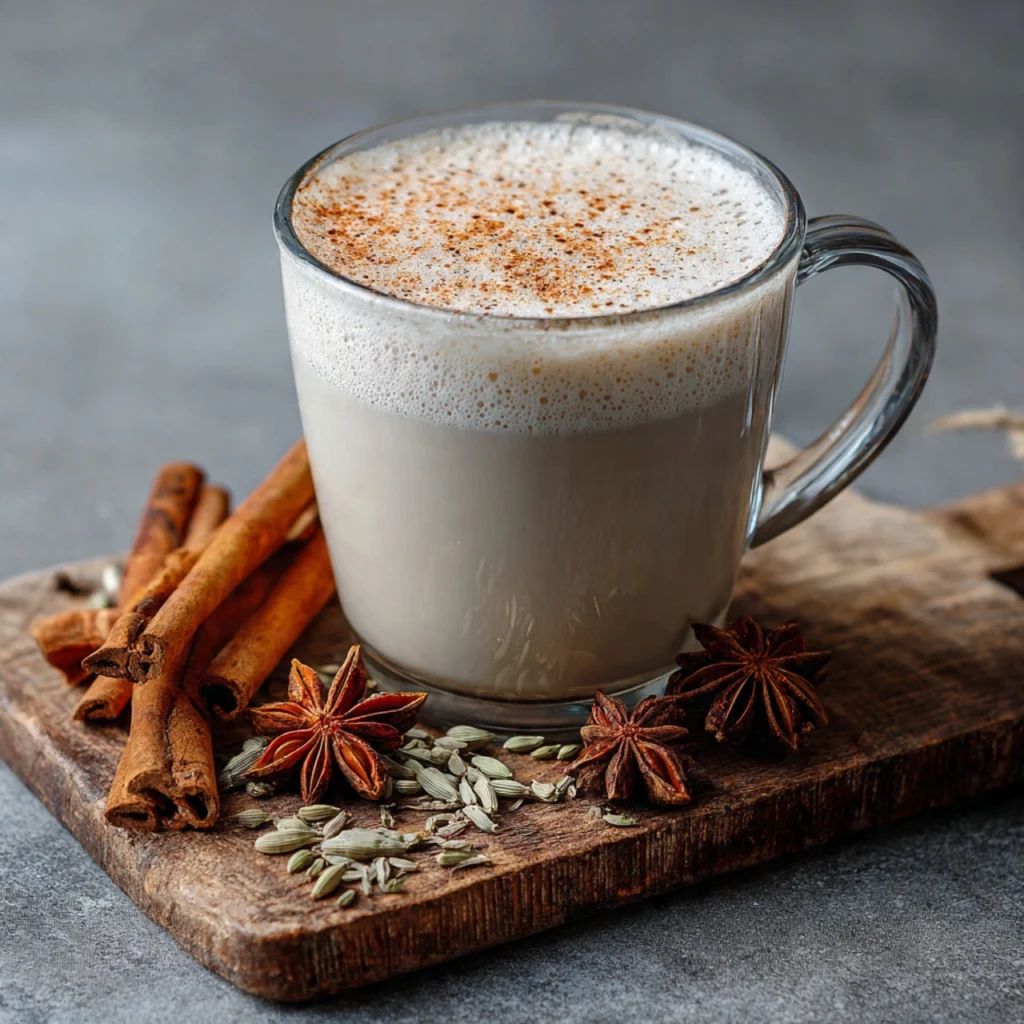
Ingredients: Building Your Perfect Chai Tea Latte
This recipe makes two generous servings (about 12-16 ounces each) of café-quality chai tea latte. Each ingredient plays a crucial role in the final flavor profile.
For the Chai Tea Base
Whole Spices:
- 6 green cardamom pods – Lightly crushed to expose the seeds inside; provides the signature floral chai flavor
- 1 cinnamon stick (about 3 inches) – Broken into pieces; adds warmth and natural sweetness
- 4-5 whole cloves – Contributes depth and gentle spiciness; don’t overdo it as cloves can be overpowering
- 4-5 whole black peppercorns – Adds complexity and a pleasant tingle; surprisingly essential for balanced chai
- 1-inch piece fresh ginger – Peeled and thinly sliced; brings brightness and warming heat (or ½ teaspoon ground ginger)
- Optional: 1 star anise – Adds subtle licorice notes for more complex flavor
- Optional: ½ vanilla bean – Split lengthwise; contributes sweetness and aromatic complexity
Tea and Liquid:
- 2 cups water – Fresh, filtered if possible for best flavor
- 2 tablespoons loose leaf black tea – Assam, Ceylon, or English Breakfast recommended (or 3-4 high-quality black tea bags)
- 2 cups whole milk – Or your preferred milk alternative (see notes for non-dairy options)
Sweetener:
- 2-4 tablespoons sweetener of choice – Sugar, honey, maple syrup, or agave; adjust to taste
Optional Additions and Variations
- Pinch of ground nutmeg – For extra warmth and complexity
- ¼ teaspoon fennel seeds – Adds a subtle anise flavor and aids digestion
- Fresh black pepper – A small pinch enhances the other spices
- Coconut sugar – Provides subtle caramel notes
- Brown sugar – Adds molasses depth
For Serving
- Ground cinnamon – For dusting the top
- Cinnamon stick – For stirring and presentation
- Whipped cream – For an indulgent treat
- Star anise – For garnish
Step-by-Step Instructions: Crafting Your Chai Tea Latte
Creating the perfect chai tea latte involves a two-stage process: first brewing an intensely flavored chai concentrate, then combining it with milk. Follow these detailed steps for consistently excellent results.
Step 1: Prepare Your Spices
Begin by preparing your whole spices, which releases their essential oils and maximizes flavor. Place the cardamom pods on your cutting board and press down firmly with the flat side of a knife or the bottom of a heavy glass to crack them open, exposing the tiny seeds inside. You don’t need to remove the seeds from the pods—the entire pod will infuse flavor.
Break your cinnamon stick into 3-4 smaller pieces. This creates more surface area for flavor extraction. If your cinnamon stick is very fresh and pliable, you may need to use kitchen shears.
Slice your fresh ginger into thin rounds—no need to chop finely since you’ll be straining the chai later. Thinner slices simply expose more surface area for maximum ginger flavor. If the ginger skin is thin and clean, you can leave it on; otherwise, peel it first with a spoon or vegetable peeler.
If using optional whole spices like star anise or vanilla bean, prepare them now as well. Split the vanilla bean lengthwise with a sharp knife to expose the seeds and inner pulp.
Step 2: Toast the Spices (Optional but Recommended)
For even more aromatic, complex chai, toast your whole spices briefly before brewing. Heat a small, dry saucepan over medium heat. Add the cardamom pods, broken cinnamon stick, cloves, peppercorns, and any optional dry spices like star anise or fennel seeds.
Toast for 1-2 minutes, shaking the pan frequently, until the spices become very fragrant and you can smell them clearly. Be careful not to burn them—you want to release their essential oils, not char them. Remove from heat as soon as they’re aromatic.
This toasting step isn’t absolutely necessary, but it adds another layer of depth to your chai tea latte that distinguishes truly exceptional homemade versions from merely good ones.
Step 3: Simmer the Spice Base
Add the water to your saucepan with the spices (whether toasted or not). Add the sliced fresh ginger now as well. Bring the mixture to a boil over medium-high heat, then reduce the heat to low and simmer gently for 5-7 minutes.
During this simmering time, the spices are releasing their flavors, colors, and aromatic compounds into the water. You’ll notice the liquid beginning to take on a golden-brown color and developing that unmistakable chai aroma. The longer you simmer, the more intense the spice flavor becomes. For a bolder chai, simmer for up to 10 minutes; for a gentler spice presence, 5 minutes is sufficient.
Step 4: Steep the Tea
After your spices have simmered adequately, add your black tea to the pot. If using loose leaf tea, add it directly to the liquid. If using tea bags, add them now.
Turn off the heat completely and let the tea steep for 4-5 minutes. This timing is important—steeping too briefly produces weak tea flavor, while steeping too long makes the chai bitter and astringent. Black tea releases its flavor relatively quickly once the water is hot, so you don’t need extended steeping time.
Do not simmer or boil the tea with the liquid. Boiling black tea tends to extract bitter compounds and can make your chai taste harsh rather than smooth and balanced.
Step 5: Add Sweetener and Milk
After the tea has steeped, add your sweetener to the hot chai base, stirring until it dissolves completely. Starting with 2 tablespoons is a good baseline—you can always add more later if desired.
Now add the milk directly to the pot. Turn the heat back to medium and warm the mixture gently, stirring occasionally, until it’s heated through and just begins to show tiny bubbles around the edges. Do not let it come to a full boil, as boiling milk can create a skin on the surface and slightly change the texture.
Some traditional methods call for bringing the chai to a boil several times and then letting it subside, which is believed to “cook” the tea and integrate all the flavors. If you want to try this traditional technique, bring the chai to just the point where it begins to foam and rise, then remove from heat. Repeat this 2-3 times. This creates a slightly different flavor profile and can be particularly nice with whole milk.
Step 6: Strain Your Chai Tea Latte
Using a fine-mesh strainer, pour the chai tea latte into your serving mugs, leaving behind all the whole spices, ginger slices, and tea leaves. Press gently on the solids in the strainer with a spoon to extract every drop of precious chai.
If you want an extra-smooth texture similar to coffee shop chai lattes, you can strain through a coffee filter or several layers of cheesecloth, though this isn’t usually necessary.
Step 7: Froth the Milk (Optional for Authentic Latte Texture)
For a texture that more closely resembles coffee shop chai lattes, you can use a two-stage approach: First, make your chai concentrate using just 2 cups of water, no milk, following steps 1-4. Strain it into mugs, filling them about halfway.
Separately, heat 2 cups of milk until steaming hot but not boiling. Froth the milk using a milk frother, French press (pump the plunger up and down vigorously for 30 seconds), or by whisking vigorously.
Pour the frothed milk over the chai concentrate in the mugs, holding back the foam with a spoon, then top with the remaining foam. This creates the layered latte appearance you’d get at a café.
Step 8: Serve and Garnish
Taste your chai tea latte and adjust sweetness if needed by stirring in additional honey or sugar. Dust the top lightly with ground cinnamon or add a cinnamon stick for stirring. Some people love a small dollop of whipped cream on top, though this makes the beverage quite rich.
Serve immediately while hot, or see the cold variation notes below for iced chai tea latte.
Pro Tips for Exceptional Chai Tea Latte
After making hundreds of chai tea lattes and experimenting with countless variations, these expert tips will elevate your results:
Always Use Whole Spices When Possible
The difference between chai made with whole spices versus pre-ground spices is night and day. Whole spices maintain their volatile aromatic compounds much longer, releasing fresh, vibrant flavor when cracked or crushed just before use. If you must use ground spices in a pinch, reduce the quantities by about half (ground spices are more concentrated) and add them later in the process to prevent bitter overextraction.
Adjust Spice Ratios to Your Preference
This recipe provides a balanced, classic chai profile, but chai is wonderfully adaptable to personal taste. Love ginger? Add more. Find cloves too medicinal? Reduce them or omit entirely. Prefer your chai more cinnamon-forward? Add an extra stick. The beauty of homemade chai tea latte is complete control over the flavor profile.
Don’t Skip the Fresh Ginger
While I’ve included ground ginger as an option, fresh ginger truly makes a difference. It provides a brighter, more complex heat compared to the sometimes harsh, one-dimensional spiciness of dried ground ginger. Fresh ginger also contributes a subtle sweetness that rounds out the chai beautifully.
Temperature Matters for Tea Steeping
When you add your tea to the spiced water, make sure the liquid is hot but not actively boiling. Boiling water can make black tea bitter by over-extracting tannins. Let the mixture cool for just 30 seconds after simmering the spices before adding tea.
Quality Tea Makes a Quality Chai
This isn’t the place to use up those ancient tea bags you found in the back of the cupboard. Invest in good quality loose leaf Assam or Ceylon tea, or at minimum, fresh, high-quality tea bags. The tea provides the foundation that all those spices build upon—weak, stale tea produces weak, unbalanced chai regardless of how perfect your spices are.
Make a Large Batch of Chai Concentrate
One of the smartest approaches for chai lovers is making a larger batch of the spiced tea concentrate (before adding milk) and storing it in the refrigerator for up to one week. When you want a chai tea latte, simply heat equal parts concentrate and milk together. This makes weekday chai lattes incredibly convenient.
Create Your Signature Blend
Once you’re comfortable with the basic recipe, consider making your own custom spice blend. Toast and grind larger quantities of your favorite spice ratio, then store in an airtight container. When making chai, use 2-3 tablespoons of your custom blend per pot. This saves time while ensuring consistent flavor.
Try Different Sweeteners
While granulated sugar is classic, chai tea latte welcomes various sweeteners. Honey adds floral notes, maple syrup contributes subtle caramel flavors, coconut sugar provides richness, and jaggery (unrefined cane sugar used in traditional Indian chai) offers deep, molasses-like complexity. Each sweetener subtly changes the final flavor profile.
Milk Temperature and Texture
For the most luxurious chai tea latte, heat your milk to between 150-160°F if you’re using a thermometer—hot enough to be perfectly drinkable but not so hot that it scalds your tongue or burns the milk. When frothing, you want tiny, silky microfoam rather than large, airy bubbles. This creates that velvety texture that makes coffee shop beverages so appealing.
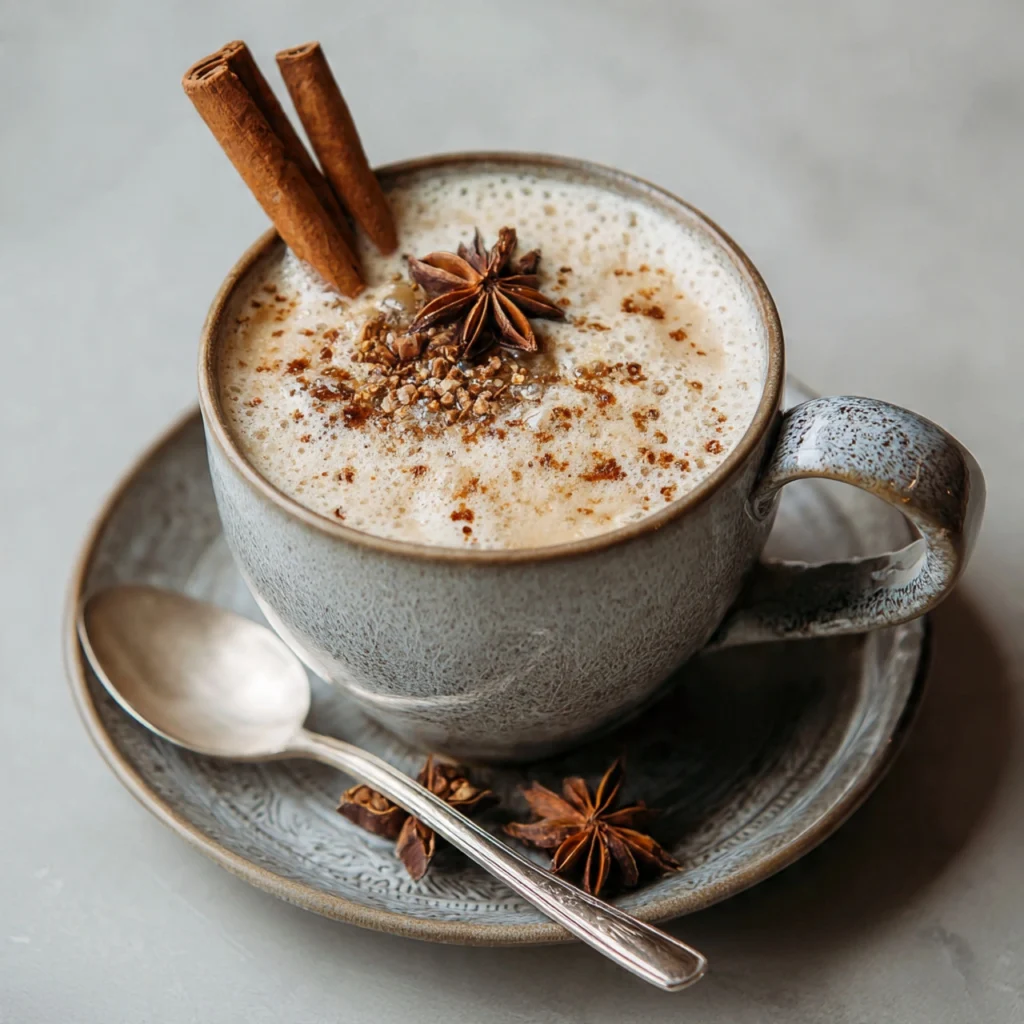
Common Mistakes to Avoid with Chai Tea Latte
Even experienced home baristas can stumble when making chai. Avoid these common pitfalls:
Boiling the Tea
This is perhaps the most common mistake. Adding tea to actively boiling water or continuing to boil after adding tea extracts excessive tannins, making your chai taste bitter and astringent rather than smooth and balanced. Always remove from boiling heat before adding tea, and never boil tea leaves directly.
Using Only Ground Spices
While convenient, pre-ground spices that have been sitting in your cabinet for months (or years) won’t deliver the vibrant, complex flavor that makes homemade chai tea latte worth the effort. If your ground cinnamon smells faintly of wood shavings rather than powerfully aromatic, it’s past its prime. Whole spices stay fresh much longer and produce dramatically better results.
Inadequate Spice Simmering
The spices need time to release their essential oils and flavor compounds into the liquid. Rushing this step by only simmering for a minute or two produces thin, underwhelming chai that tastes more like spice-scented water than authentic chai tea latte. Give your spices a proper 5-7 minute simmer for full flavor development.
Adding Milk Too Early
In traditional chai preparation, everything simmers together, which works fine. However, if you’re following a more controlled method for optimal flavor, adding milk before the tea has steeped properly can result in weak tea flavor that gets lost beneath the spices and creaminess. Get your tea and spice base right first, then incorporate milk.
Over-Sweetening Initially
It’s much easier to add more sweetness than to fix chai that’s too sweet. Start with less sugar than you think you need—you can always stir in more after tasting the finished chai tea latte. Remember that different milk alternatives have varying levels of natural sweetness too.
Not Crushing Cardamom Pods
Whole, uncrushed cardamom pods barely release any flavor even after extended simmering. The seeds inside contain all the aromatic oils and characteristic cardamom flavor, but they’re locked inside those tough green pods. Always crack them open before brewing.
Using Too Much Clove
Cloves are intensely flavored—a little goes a long way. Using too many cloves makes chai taste medicinal and unbalanced, with that distinctive clove flavor overshadowing everything else. Four to five whole cloves is the maximum for most palates; fewer is perfectly acceptable.
Letting Chai Sit Too Long Before Serving
Chai tea latte tastes best consumed shortly after making. If it sits too long, the spices continue extracting and can make the drink taste overly strong or bitter, and the tea can become astringent. The milk also develops a skin on top if it sits uncovered. Make chai fresh when possible, or make concentrate and mix with freshly heated milk.
Not Straining Thoroughly
Bits of tea leaves, pepper, or other spices in your finished chai are unpleasant. Use a fine-mesh strainer and take a moment to press on the solids to extract all the liquid while leaving behind all the gritty, textural bits.
Storage and Serving Suggestions for Chai Tea Latte
While chai tea latte is best enjoyed fresh, there are strategies for making it more convenient and exploring different serving styles.
Making Chai Concentrate for Later
The most practical approach for chai lovers is making a concentrated version of just the spiced tea (no milk) in larger batches. Use the recipe above but only add 1½ cups of water instead of 2 cups, creating a more concentrated brew.
Strain the concentrate into a clean glass jar or bottle and refrigerate for up to one week. When you want a chai tea latte, heat equal parts concentrate and milk together (or combine hot concentrate with cold milk for iced chai). This gives you café-quality chai in just 2-3 minutes whenever the craving strikes.
Storing Whole Spices
Keep your whole spices in airtight containers away from light, heat, and moisture. Properly stored whole spices maintain their potency for 1-2 years, far longer than ground spices which start degrading within months. Label containers with purchase dates to track freshness.
Serving Variations and Temperature
Hot Chai Tea Latte: The classic preparation described in this recipe. Serve immediately in warmed mugs, ideally between 150-160°F for optimal drinking temperature.
Iced Chai Tea Latte: Make the chai concentrate as described, let it cool to room temperature, then refrigerate until cold. Fill a tall glass with ice, pour in equal parts chai concentrate and cold milk, sweeten to taste, and stir well. The concentrate method works much better for iced chai than trying to cool down hot chai.
Dirty Chai Latte: For coffee lovers, add a shot of espresso to your chai tea latte. The combination of coffee’s boldness with chai’s spices is surprisingly harmonious and provides an extra caffeine boost.
Chai Latte with Alternatives: Experiment with different milk types. Oat milk creates exceptional creaminess and slight sweetness. Coconut milk adds tropical notes. Almond milk is lighter and nuttier. Cashew milk is rich and neutral. Each creates a different experience.
Chai Tea Latte for Entertaining
When serving chai tea latte for guests, set up a “chai bar” with the hot concentrate in a thermal carafe, steamed milk in another carafe, and various sweeteners, spices, and garnishes so guests can customize their drinks. Provide cinnamon sticks for stirring, offer whipped cream, and have both regular and non-dairy milk options available.
Batch Brewing for a Crowd
To make chai tea latte for a party, multiply the recipe as needed. Make a large batch of concentrate, strain it, and keep it warm in a large pot or slow cooker on low. Heat milk separately and keep it warm as well. Provide ladles and let guests serve themselves, mixing concentrate and milk to their preferred ratios.
Leftover Chai Uses
If you have leftover chai tea latte that you can’t finish, don’t waste it. Use it as a liquid base for oatmeal, pour it over ice for tomorrow’s iced chai, blend it into a smoothie, use it in place of milk in pancake or waffle batter, or even incorporate it into baked goods like muffins or quick breads for subtle spice flavor.
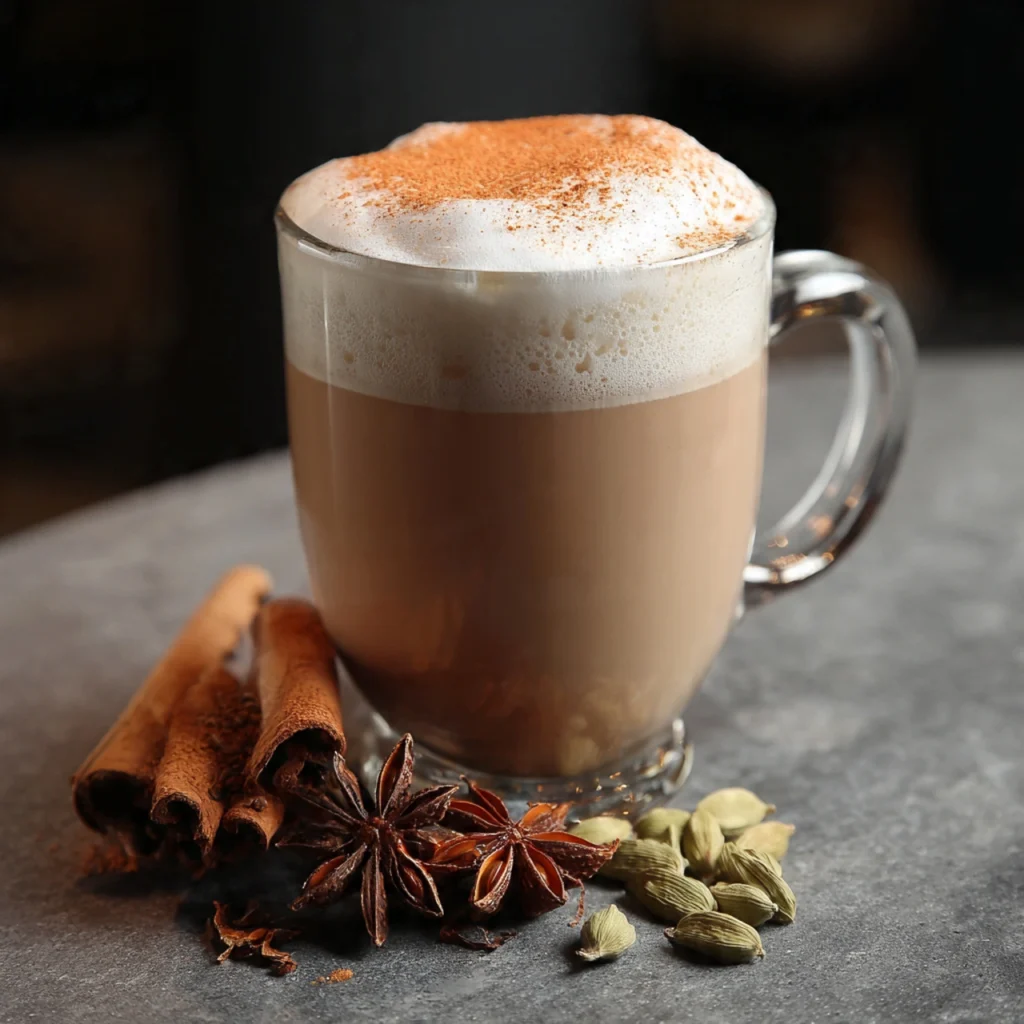
Frequently Asked Questions About Chai Tea Latte
What’s the difference between chai tea and chai tea latte?
Regular chai tea (or masala chai) typically has a higher concentration of tea and spices with less milk, creating a stronger, more intensely flavored beverage. Chai tea latte has a higher ratio of milk to tea, creating a creamier, milder drink similar in style to a coffee latte. The latte version is also usually served in larger portions and often features frothed milk on top for a café-style presentation.
Can I make chai tea latte without caffeine?
Absolutely. Replace the black tea with rooibos tea (also called red tea), which is naturally caffeine-free and has a slightly sweet, earthy flavor that works beautifully with chai spices. Alternatively, use decaffeinated black tea, though the flavor will be slightly less robust than regular black tea. Keep all the spices the same—they provide most of the characteristic chai flavor anyway.
What’s the best milk for chai tea latte?
Whole milk creates the richest, creamiest chai tea latte with the most authentic texture and flavor. However, 2% milk works nearly as well with slightly less richness. Among non-dairy options, oat milk is excellent—it froths beautifully and has natural sweetness that complements chai spices. Coconut milk (full-fat from a can, not the beverage version) is traditional in some regions and adds wonderful richness, though it does contribute coconut flavor. Almond milk works but produces a thinner, less creamy result.
How much caffeine is in a chai tea latte?
A typical homemade chai tea latte made with black tea contains approximately 40-50mg of caffeine per 8-ounce serving, which is about half the caffeine in a cup of coffee (which has 80-100mg). The exact amount depends on the type of black tea used, how long it steeps, and the ratio of tea concentrate to milk. Assam tea tends to have slightly higher caffeine than other black teas. If you’re sensitive to caffeine, use decaf black tea or rooibos.
Can I use chai tea bags instead of loose leaf?
Yes, high-quality chai tea bags can produce good results, though you’ll need to adjust quantities. Use 3-4 strong black tea bags for this recipe. However, I don’t recommend pre-made “chai tea bags” that already contain spices—they rarely have the intensity and complexity of flavor you get from whole spices. Use plain black tea bags and brew them with whole spices for the best balance of convenience and quality.
Why is my chai tea latte bitter?
Bitterness typically results from over-extracting the black tea. This happens when tea steeps too long (more than 5-6 minutes), steeps in water that’s too hot or actively boiling, or when the tea continues simmering after being added. To prevent bitterness, remove the pot from heat before adding tea, steep for only 4-5 minutes, and strain promptly. Using fresh, quality tea also helps—old, stale tea often tastes more bitter.
How do I make my chai tea latte stronger?
For more intense flavor, increase the simmering time for the spices to 8-10 minutes, add an extra tablespoon of black tea leaves, or reduce the amount of milk slightly. You can also toast your spices before simmering for more depth, or add an extra piece of ginger or cinnamon stick. Start with one adjustment at a time so you can identify which change produces the flavor intensity you prefer.
Can I make chai tea latte in advance?
You can make chai concentrate (the spiced tea without milk) up to one week in advance and refrigerate it. When ready to serve, simply heat equal parts concentrate and milk together. However, I don’t recommend making the complete chai tea latte in advance, as the milk separates and develops off-flavors when reheated, and the tea becomes increasingly bitter the longer it sits.
What sweetener works best in chai tea latte?
This is largely personal preference. Granulated white sugar dissolves easily and provides clean sweetness that lets the spices shine. Honey adds floral complexity and pairs beautifully with the warming spices. Maple syrup contributes subtle caramel notes. Coconut sugar or jaggery (unrefined cane sugar used in traditional Indian chai) provides deeper, more molasses-like sweetness. Avoid artificial sweeteners in hot chai as they can develop strange flavors when heated.
Is chai tea latte healthy?
Chai tea latte can be a relatively healthy beverage choice depending on how you make it. Black tea provides antioxidants and a moderate caffeine boost. The spices—particularly ginger and cinnamon—have anti-inflammatory properties and may aid digestion. However, chai lattes can be high in sugar and calories, especially coffee shop versions which often contain 30-50g of sugar. Making it at home lets you control sweetness, using 1-2 tablespoons of sweetener instead of ¼ cup or more. Using low-fat or non-dairy milk reduces calories while maintaining flavor.
Conclusion: Your Path to Chai Tea Latte Mastery
Creating exceptional chai tea latte at home is one of those life skills that brings disproportionate joy compared to the minimal effort required. With about fifteen minutes and a handful of whole spices, you can craft a beverage that not only rivals but often surpasses what you’d pay five dollars or more for at a café. The aroma alone—that intoxicating blend of cardamom, cinnamon, ginger, and warming spices—is worth the effort, transforming your kitchen into something that smells like comfort itself.
The techniques and insights I’ve shared here come from years of chai-making experimentation, countless batches, and a deep appreciation for this centuries-old beverage tradition. By following these guidelines—using whole spices, respecting proper steeping times for tea, balancing the spice-to-tea-to-milk ratios—you’ll achieve consistently outstanding results that make every sip a moment of pure satisfaction.
Remember that chai tea latte is wonderfully forgiving and adaptable. Once you’re comfortable with the basic recipe, feel free to adjust it to your preferences. Make it spicier with extra ginger and pepper, or mellow and cinnamon-forward. Sweeten it generously or barely at all. Use dairy or explore the world of plant-based milk alternatives. Create a large batch of concentrate on Sunday to fuel your entire week of morning chai rituals. The foundation provided here is solid, tested, and authentic—the perfect canvas for your personal creativity.
Whether this becomes your new morning routine, your cozy afternoon ritual, your impressive party trick when hosting guests, or your secret weapon for not spending a fortune at coffee shops, I hope this chai tea latte brings as much warmth and happiness to your life as it has to mine. There’s something deeply satisfying about wrapping your hands around a warm mug of homemade chai, knowing you created something this delicious and aromatic from simple ingredients in your own kitchen.
Now it’s time to gather those spices, put the kettle on, and experience the magic of authentic chai tea latte. Your journey to becoming a home chai expert begins today—enjoy every fragrant, flavorful, warming sip!
Print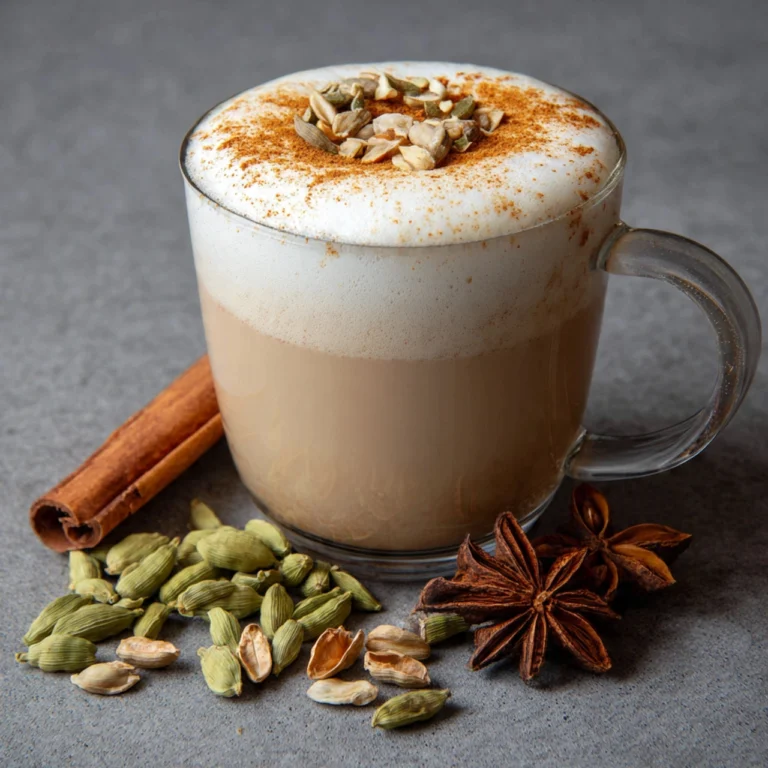
Chai Tea Latte: The Complete Guide to Making Coffee Shop Quality at Home
This café-quality chai tea latte features whole spices, robust black tea, and creamy steamed milk in perfect harmony. Made from scratch with no concentrates or shortcuts, it delivers authentic, complex flavor that rivals any coffee shop version at a fraction of the cost.
- Total Time: 17 minutes
- Yield: 2 large servings
Ingredients
Whole Spices:
- 6 green cardamom pods, lightly crushed
- 1 cinnamon stick (about 3 inches), broken into pieces
- 4-5 whole cloves
- 4-5 whole black peppercorns
- 1-inch piece fresh ginger, peeled and thinly sliced
- Optional: 1 star anise
- Optional: ½ vanilla bean, split lengthwise
Tea and Liquid:
- 2 cups water
- 2 tablespoons loose leaf black tea (or 3-4 tea bags)
- 2 cups whole milk (or milk alternative of choice)
Sweetener:
- 2-4 tablespoons sugar, honey, or maple syrup (adjust to taste)
For Serving:
- Ground cinnamon for dusting
- Cinnamon sticks for garnish (optional)
Instructions
- Prepare spices: Lightly crush cardamom pods to expose seeds. Break cinnamon stick into pieces. Slice fresh ginger thinly.
- Optional toasting: Heat a small saucepan over medium heat. Add whole spices (not ginger) and toast for 1-2 minutes until fragrant, shaking pan frequently. Remove from heat if becoming too dark.
- Simmer spices: Add water and ginger slices to saucepan with spices. Bring to a boil over medium-high heat, then reduce to low and simmer gently for 5-7 minutes until fragrant and water takes on golden color.
- Steep tea: Remove pot from heat. Add black tea leaves or tea bags. Let steep for 4-5 minutes without heat. Do not let the tea boil.
- Add sweetener and milk: Stir in your chosen sweetener until dissolved. Add milk and return pot to medium heat. Warm gently until steaming and small bubbles appear around edges, stirring occasionally. Do not boil.
- Strain: Pour chai through fine-mesh strainer into mugs, pressing gently on solids to extract all liquid.
- Optional froth: For authentic latte texture, make chai concentrate with just water (no milk). Separately heat and froth milk, then pour over strained concentrate in mugs.
- Serve: Taste and adjust sweetness if needed. Dust with ground cinnamon and add cinnamon stick for stirring. Serve immediately while hot.
Notes
- For chai concentrate: Use 1½ cups water instead of 2 cups, omit milk during brewing. Store concentrate refrigerated for up to 1 week. Mix equal parts concentrate and milk when ready to serve.
- Spice ratios are adjustable—increase ginger for more heat, add extra cinnamon for more warmth, reduce cloves if they’re too strong for your taste.
- Quality matters: Use fresh whole spices and good black tea for best results.
- Don’t skip crushing the cardamom—the flavor is locked inside the pods.
- For iced chai latte: Make concentrate, chill completely, and serve over ice with cold milk.
- Milk alternatives: Oat milk froths beautifully and adds natural sweetness. Full-fat coconut milk creates rich, creamy chai with subtle coconut flavor.
- Steep time is crucial: 4-5 minutes for black tea. Longer creates bitterness.
- For decaf: Use rooibos tea or decaffeinated black tea.
- Sweetness level is personal—start with 2 tablespoons and add more to taste.
- Prep Time: 5 minutes
- Cook Time: 12 minutes
- Category: Breakfasts
- Method: Stovetop, Simmering, Steeping
- Cuisine: Indian-inspired, Fusion
- Diet: Vegetarian




1 Comment
[…] dessert that combines everything we love about cookies, pizza, and fresh fruit into one spectacular treat. This isn’t your average cookie—it’s a giant, shareable dessert that features a soft […]
Comments are closed.