
Classic Meatloaf Recipe: 12 Secrets for Perfect Results Every Time

Introduction
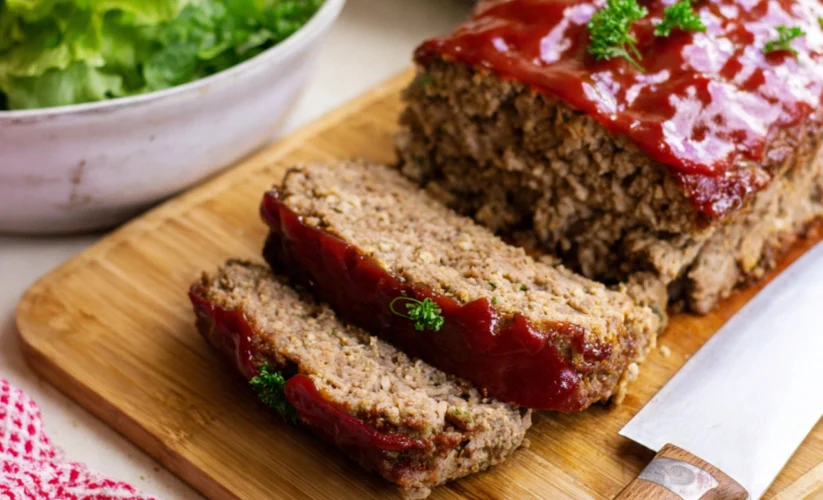
A Classic Meatloaf recipe is the cornerstone of American comfort food—a dish that transforms simple ground beef into something that feels like a warm hug on a plate. There’s something deeply satisfying about slicing into a perfectly cooked meatloaf, seeing that tender, juicy interior, and catching the aroma of savory seasonings mingling with that sweet-tangy glaze on top. This isn’t just dinner; it’s nostalgia, tradition, and pure comfort all rolled into one hearty dish.
I’ve spent years perfecting this Classic Meatloaf recipe, and I’m excited to share every trick I’ve learned along the way. Growing up, meatloaf night was always special in our house. My grandmother had her version, my mother tweaked it, and now I’ve developed mine—keeping the soul of the original while incorporating techniques that guarantee success every single time.
What makes this Classic Meatloaf recipe stand out from the countless versions out there? It’s all about balance. The meat mixture has just enough binder to hold together without becoming dense or bread-like. The seasonings are robust but not overwhelming. The cooking method ensures a crusty exterior while keeping the inside incredibly moist. And that glaze? It caramelizes into something magical that makes every bite irresistible.
Whether you’re new to cooking or a seasoned home chef looking to nail down the perfect meatloaf, this comprehensive guide walks you through every step. We’ll cover ingredient selection, mixing techniques, shaping methods, and the exact baking time needed for perfection. You’ll also discover the most common pitfalls and exactly how to avoid them.
By the end of this article, you’ll have everything you need to make a Classic Meatloaf recipe that rivals—or surpasses—your fondest meatloaf memories. Let’s get started.
Why This Classic Meatloaf Recipe Works
Before we dive into the specifics, here’s what makes this recipe consistently successful:
The Meat Blend: Using a combination of ground beef with the right fat content creates the perfect balance of flavor and moisture. Too lean and your meatloaf will be dry; too fatty and it becomes greasy.
The Panade Technique: This old-school method of soaking breadcrumbs in milk creates tender, moist meatloaf that stays juicy even after cooking.
Smart Seasoning: A well-balanced combination of aromatics, herbs, and savory ingredients builds complex flavor without any single element overpowering the others.
The Glaze: A tangy-sweet topping adds contrast and creates a caramelized crust that takes this from good to extraordinary.
Free-Form Baking: Shaping the meatloaf on a baking sheet rather than in a loaf pan allows fat to drain away and the entire surface to develop a delicious crust.

Ingredients
For the Meatloaf:
- 2 pounds ground beef (80/20 or 85/15 fat ratio works best)
- 1 cup breadcrumbs (plain or Italian-style)
- 3/4 cup whole milk (or half-and-half for extra richness)
- 2 large eggs, lightly beaten
- 1 medium yellow onion (about 1 cup), finely diced
- 3 cloves garlic, minced
- 1/4 cup fresh parsley, finely chopped (or 2 tablespoons dried)
- 2 tablespoons Worcestershire sauce
- 2 tablespoons ketchup (plus more for the glaze)
- 1 tablespoon Dijon mustard
- 1 1/2 teaspoons salt
- 3/4 teaspoon black pepper
- 1/2 teaspoon dried thyme
- 1/2 teaspoon dried oregano
- 1/4 teaspoon smoked paprika (optional but adds depth)
For the Glaze:
- 1/2 cup ketchup
- 2 tablespoons brown sugar (light or dark)
- 1 tablespoon apple cider vinegar (or red wine vinegar)
- 1 teaspoon Worcestershire sauce
- 1/2 teaspoon garlic powder
Optional Add-ins:
- 1/2 cup grated Parmesan cheese for extra savory flavor
- 1/2 cup finely diced bell pepper for added texture and sweetness
- 2 tablespoons tomato paste for deeper umami flavor
Step-by-Step Instructions
Step 1: Prepare Your Panade
Start by preheating your oven to 350°F (175°C). Line a large rimmed baking sheet with aluminum foil or parchment paper for easy cleanup, then lightly spray or brush with oil.
In a large mixing bowl, combine the breadcrumbs and milk. Stir them together and let this mixture sit for about 5 minutes. This is your panade—a classic technique that creates incredibly tender, moist meatloaf. The breadcrumbs will absorb the milk and become soft and paste-like. This prevents the breadcrumbs from stealing moisture from the meat during cooking.
Step 2: Sauté the Aromatics
While your panade is resting, heat a tablespoon of oil in a medium skillet over medium heat. Add the diced onion and cook for about 5-6 minutes, stirring occasionally, until the onion is soft and translucent. Add the minced garlic and cook for another minute until fragrant.
Remove the pan from heat and let the aromatics cool for a few minutes. This step is important—raw onions can be harsh and release too much moisture during cooking, while sautéed onions add sweetness and integrate seamlessly into the meat mixture. Plus, cooling them prevents the heat from cooking your eggs when you mix everything together.
Step 3: Combine the Wet Ingredients
To your panade mixture, add the beaten eggs, Worcestershire sauce, ketchup, Dijon mustard, and the cooled onion-garlic mixture. Stir everything together until well combined. Add all your seasonings: salt, pepper, thyme, oregano, smoked paprika, and fresh parsley. Mix thoroughly so the seasonings are evenly distributed throughout this wet mixture.
Step 4: Add the Meat (Gently!)
Add the ground beef to the bowl with your wet mixture. Here’s where technique really matters: use your hands to gently mix everything together. Work the mixture with a light touch, folding and turning rather than squeezing and kneading. You want everything evenly combined, but overworking the meat will create a dense, tough texture.
Mix until you no longer see streaks of meat or pockets of the wet mixture, but stop as soon as it’s combined. The mixture should hold together when you squeeze it, but it shouldn’t feel compressed or paste-like.
Step 5: Shape the Meatloaf
Transfer the meat mixture to your prepared baking sheet. Using your hands, shape it into a loaf approximately 9 inches long, 5 inches wide, and 3 inches tall. Try to keep the shape uniform so it cooks evenly. Some people prefer a more rustic, rounded shape, while others like a traditional rectangular loaf—both work perfectly fine.
The key is to make sure the loaf isn’t too tall (which would leave the center undercooked) or too flat (which would dry out). About 3 inches in height is the sweet spot.
Step 6: Apply the First Layer of Glaze
In a small bowl, whisk together all the glaze ingredients: ketchup, brown sugar, vinegar, Worcestershire sauce, and garlic powder. The sugar should dissolve completely.
Brush about half of this glaze over the top and sides of the shaped meatloaf. Save the remaining glaze for later. This first application will create a flavorful base layer.
Step 7: Bake to Perfection
Place the baking sheet in your preheated oven and bake for 45 minutes. After 45 minutes, remove the meatloaf from the oven and brush the remaining glaze all over the surface. This second application creates that gorgeous, sticky, caramelized coating we’re after.
Return the meatloaf to the oven and continue baking for another 15-20 minutes, until the internal temperature reaches 160°F (71°C) in the center. Use an instant-read thermometer inserted into the thickest part to check—this is the most reliable way to ensure your meatloaf is perfectly cooked.
Step 8: Rest Before Slicing
This step is crucial: let the meatloaf rest for 10-15 minutes after removing it from the oven. During this time, the internal temperature will continue to rise slightly (this is called carryover cooking), and the juices will redistribute throughout the meat.
If you slice into the meatloaf immediately, all those delicious juices will run out onto your cutting board instead of staying in the meat where they belong. Patience here pays off with much more flavorful, moist slices.
After resting, slice with a sharp knife and serve while still warm.

Pro Tips for the Perfect Classic Meatloaf Recipe
Tip 1: Don’t Skip the Panade That milk-soaked breadcrumb mixture is the secret to moist meatloaf. The milk keeps the breadcrumbs from absorbing moisture from the meat, and the soft breadcrumbs create a tender texture. Trust the process even if it looks a bit mushy before mixing with the meat.
Tip 2: Choose the Right Fat Content Ground beef that’s 80/20 (80% lean, 20% fat) or 85/15 gives you the best results. Anything leaner than 90/10 will result in dry, crumbly meatloaf. The fat bastes the meat from the inside as it cooks, keeping everything moist and flavorful.
Tip 3: Use Your Hands to Mix While it might feel messy, your hands are the best tools for combining meatloaf ingredients. You can feel when everything is properly mixed, and you’re less likely to overwork the meat than you would with a spoon or mixer.
Tip 4: Test Your Seasoning Want to make sure your meatloaf is perfectly seasoned before baking the whole thing? Take a small portion of the mixture (about a tablespoon), flatten it into a patty, and cook it in a skillet. Taste it and adjust the seasonings in your remaining mixture if needed.
Tip 5: Create a Drip Pan Effect Baking the meatloaf free-form on a baking sheet allows fat to drain away. For even better results, create a makeshift rack by crumpling a large piece of foil into a “snake” and placing it under the meatloaf lengthwise. This elevates it slightly and allows even more fat to drain.
Tip 6: Room Temperature Ingredients Take your ground beef out of the refrigerator about 20-30 minutes before mixing. Cold meat is harder to work with and won’t combine as evenly. Room temperature meat also cooks more uniformly.
Tip 7: Don’t Overmix This bears repeating: overworked meat becomes dense and tough. Mix just until combined and no more. If you’re worried about even distribution of ingredients, mix your wet ingredients very thoroughly before adding the meat.
Tip 8: Double-Glaze for Better Flavor Applying glaze twice—once before baking and again near the end—creates layers of flavor and prevents the glaze from burning while ensuring it caramelizes beautifully.
Tip 9: Make It Ahead You can shape the meatloaf, cover it tightly, and refrigerate it up to 24 hours before baking. Let it sit at room temperature for 30 minutes before putting it in the oven, and add about 10 minutes to the baking time.
Tip 10: Use an Instant-Read Thermometer Don’t guess when your meatloaf is done. An instant-read thermometer takes the guesswork out completely. You’re looking for 160°F in the center.
Common Mistakes to Avoid
Mistake 1: Using Only Lean Ground Beef Many people think leaner is better, but when it comes to meatloaf, you need that fat for moisture and flavor. Ground beef that’s 90% lean or higher will give you a dry, crumbly result no matter how carefully you prepare it.
Mistake 2: Skipping the Sautéed Onions Raw onions release a lot of moisture during cooking, which can make your meatloaf soggy and give the onions a harsh flavor. Taking five minutes to sauté them transforms their flavor and prevents moisture issues.
Mistake 3: Packing the Meat Too Tightly When shaping your meatloaf, use a light touch. If you pack and compress the mixture too much, you’ll end up with a dense, tough texture similar to a hockey puck. The meat should hold together but still have some air pockets.
Mistake 4: Baking in a Loaf Pan While it seems logical, a traditional loaf pan keeps your meatloaf sitting in its own rendered fat and prevents the sides from developing any crust. Free-form baking on a sheet pan gives you better texture and flavor all around.
Mistake 5: Cutting Into It Too Soon I know it’s tempting to slice and serve immediately, but those 10-15 minutes of resting time are essential. The meatloaf will hold together better and be much more juicy if you wait.
Mistake 6: Not Using Enough Seasoning Ground beef can handle—and needs—bold seasoning. What might seem like a lot of salt and pepper in the raw mixture will taste just right once cooked. Remember, you’re seasoning 2 pounds of meat.
Mistake 7: Making It Too Tall A meatloaf that’s more than 3-4 inches tall will have a raw center by the time the outside is done. Keep your loaf relatively flat and uniform for even cooking.

Storage and Serving Suggestions
Storage Guidelines
Refrigerator: Leftover meatloaf should be cooled completely, then wrapped tightly in plastic wrap or aluminum foil, or stored in an airtight container. It will keep in the refrigerator for 3-4 days. In fact, many people think meatloaf tastes even better the next day after the flavors have melded together.
Freezer: Meatloaf freezes exceptionally well. Wrap individual slices or the whole loaf tightly in plastic wrap, then in aluminum foil or freezer-safe bags. Label with the date and freeze for up to 3 months. Thaw overnight in the refrigerator before reheating.
Reheating: For best results, reheat slices in a covered dish in a 350°F oven for 15-20 minutes, or until heated through. You can also microwave individual portions, though the texture won’t be quite as good. Add a splash of broth or water and cover to prevent drying out.
Serving Suggestions
Classic Comfort Meal: Serve your meatloaf with creamy mashed potatoes, green beans, and dinner rolls for a traditional home-style dinner that satisfies every time.
With Gravy: Make a simple pan gravy using the drippings from the baking sheet. Add flour to the drippings, cook for a minute, then whisk in beef broth. Pour this savory gravy over sliced meatloaf and mashed potatoes.
Meatloaf Sandwiches: Cold or reheated meatloaf makes incredible sandwiches. Layer thick slices on sturdy bread with lettuce, tomato, and mayo or mustard. Some people swear by adding a slice of cheese and frying the whole sandwich like a grilled cheese.
Breakfast Hash: Dice leftover meatloaf and pan-fry it with potatoes, onions, and bell peppers for a hearty breakfast hash. Top with a fried egg for an amazing morning meal.
Meatloaf Tacos: Crumble leftover meatloaf and warm it in a skillet with taco seasoning. Serve in tortillas with your favorite taco toppings for a fun twist.
With Roasted Vegetables: Surround your meatloaf with chunks of potatoes, carrots, and onions during the last 30 minutes of baking. Everything roasts together and you have a complete one-pan meal.
Frequently Asked Questions (FAQ)
Q1: Can I use ground turkey or chicken instead of beef?
You can, but there are a few important adjustments to make. Ground poultry is much leaner than beef, so your meatloaf will be drier. To compensate, use ground turkey or chicken that includes dark meat (not just breast), add an extra tablespoon of oil to the mixture, and consider mixing in some grated zucchini or mushrooms for moisture. Also, poultry must reach an internal temperature of 165°F rather than 160°F.
Q2: Why is my meatloaf falling apart when I slice it?
This usually happens for one of three reasons: not enough binder (eggs and breadcrumbs), not mixing thoroughly enough so ingredients aren’t evenly distributed, or slicing before the meatloaf has rested. Make sure you’re using the full amount of eggs and breadcrumbs, mix until everything is evenly combined, and always rest for at least 10 minutes before slicing.
Q3: Can I make mini meatloaves instead of one large loaf?
Absolutely! Divide the mixture into 6-8 portions and shape into individual loaves. Place them on your baking sheet with space between each one, and reduce the cooking time to about 25-30 minutes. Mini meatloaves cook faster and give you more of that delicious glazed crust. They’re also perfect for portion control and freeze beautifully.
Q4: What can I use instead of breadcrumbs?
Several options work well: crushed crackers (saltines or Ritz), oats (quick-cooking or old-fashioned, pulsed in a food processor), crushed cornflakes, or panko breadcrumbs. You can also use torn pieces of sandwich bread. For a gluten-free version, use gluten-free breadcrumbs or crushed gluten-free crackers.
Q5: My meatloaf always comes out dry. What am I doing wrong?
Dry meatloaf typically results from using ground beef that’s too lean, overcooking, or overmixing the meat. Use 80/20 or 85/15 ground beef, cook only until it reaches 160°F internal temperature, and handle the meat mixture gently. Also make sure you’re including the panade (milk-soaked breadcrumbs), which is crucial for moisture retention.
Q6: Can I add vegetables to this recipe?
Yes! Finely diced or grated vegetables work well in meatloaf. Try adding 1 cup of grated carrots, finely diced celery, shredded zucchini (squeeze out excess moisture first), or finely diced mushrooms. Sauté them along with the onions so they release their moisture before adding to the meat mixture.
Q7: How do I prevent the bottom of my meatloaf from being soggy?
This happens when the meatloaf sits in its own rendered fat. Baking free-form on a baking sheet helps tremendously. You can also crumple aluminum foil into “logs” and place them under the meatloaf to elevate it slightly, creating better air circulation and allowing fat to drain completely.
Nutrition Information (Approximate Values)
Serving Size: 1 slice (based on 8 servings)
- Calories: 385
- Total Fat: 22g
- Saturated Fat: 8g
- Trans Fat: 1g
- Cholesterol: 125mg
- Sodium: 680mg
- Total Carbohydrates: 18g
- Dietary Fiber: 1g
- Sugars: 8g
- Protein: 28g
- Vitamin A: 6% DV
- Vitamin C: 4% DV
- Calcium: 8% DV
- Iron: 20% DV
Note: Nutrition information is calculated using standard ingredients and may vary based on specific brands and measurements used. These values are estimates provided for informational purposes only and should not be considered medical or dietary advice.
Final Thoughts
Mastering this Classic Meatloaf recipe is about more than following a list of ingredients—it’s about understanding the techniques that make the difference between ordinary and extraordinary. The panade for moisture, the gentle mixing for tender texture, the sautéed aromatics for depth of flavor, and the double-glazing for that irresistible caramelized crust all work together to create meatloaf that’s truly special.
This isn’t fancy or complicated cooking. It’s honest, straightforward comfort food that brings people together around the dinner table. It’s the kind of meal that makes your house smell amazing, that kids request for birthday dinners, and that turns into beloved leftovers the next day.
The beauty of this Classic Meatloaf recipe is its reliability. Once you nail the technique, you’ll be able to make perfect meatloaf every single time. You’ll also have a solid foundation for variations—try adding different cheeses, mixing in vegetables, experimenting with different glazes, or stuffing the center with cheese or hard-boiled eggs.
Whether this is your first time making meatloaf or you’re a seasoned pro looking to refine your technique, I hope this guide has given you the confidence and knowledge to create a meatloaf that becomes a regular in your dinner rotation. There’s a reason this dish has remained an American classic for generations—when done right, nothing else quite compares.
Now grab that ground beef, preheat your oven, and get ready to make a meatloaf that’ll have everyone asking for seconds—and the recipe.
Print
Classic Meatloaf Recipe: 12 Secrets for Perfect Results Every Time
Traditional American comfort food at its finest—this Classic Meatloaf recipe features tender, juicy ground beef mixed with sautéed aromatics, herbs, and a savory binder, topped with a tangy-sweet glaze that caramelizes to perfection. Perfect for family dinners with plenty of leftovers.
- Total Time: 1 hour 25 minutes
- Yield: 8 servings
Ingredients
- 2 lbs ground beef (80/20 or 85/15)
- 1 cup breadcrumbs
- 3/4 cup whole milk
- 2 large eggs, beaten
- 1 medium onion, finely diced
- 3 cloves garlic, minced
- 1/4 cup fresh parsley, chopped
- 2 tbsp Worcestershire sauce
- 2 tbsp ketchup
- 1 tbsp Dijon mustard
- 1 1/2 tsp salt
- 3/4 tsp black pepper
- 1/2 tsp dried thyme
- 1/2 tsp dried oregano
- 1/4 tsp smoked paprika
For the Glaze:
- 1/2 cup ketchup
- 2 tbsp brown sugar
- 1 tbsp apple cider vinegar
- 1 tsp Worcestershire sauce
- 1/2 tsp garlic powder
Instructions
- Preheat oven to 350°F; line baking sheet with foil
- Combine breadcrumbs and milk; let sit 5 minutes to create panade
- Sauté onion until soft (5-6 min), add garlic (1 min), cool slightly
- Mix panade with eggs, Worcestershire, ketchup, mustard, seasonings, and cooled aromatics
- Add ground beef; gently mix with hands until just combined
- Shape into 9x5x3-inch loaf on prepared baking sheet
- Whisk glaze ingredients; brush half over meatloaf
- Bake 45 minutes; brush with remaining glaze
- Continue baking 15-20 minutes until internal temp reaches 160°F
- Rest 10-15 minutes before slicing
Notes
- Don’t skip the panade—it keeps meatloaf moist and tender
- Use 80/20 or 85/15 ground beef for best results; leaner meat will be dry
- Mix gently to avoid tough, dense texture
- Free-form baking allows fat to drain and creates better crust
- Leftovers make excellent sandwiches and freeze well up to 3 months
- Prep Time: 20 minutes
- Cook Time: 65 minutes
- Category: Main dishes
- Method: Baking
- Cuisine: American
- Diet: Vegetarian